What it is
In 1701, the lord of Akō drew his sword on a court official inside Edo Castle and was ordered to take his own life. His domain was abolished and his samurai became masterless rōnin. On December 14, 1702 by the old calendar, 47 of them, led by Ōishi Kuranosuke, broke into the official’s mansion and took revenge, then gave themselves up. The story, known as Chūshingura, is one of the most famous in Japan, told again and again in kabuki, film and television.
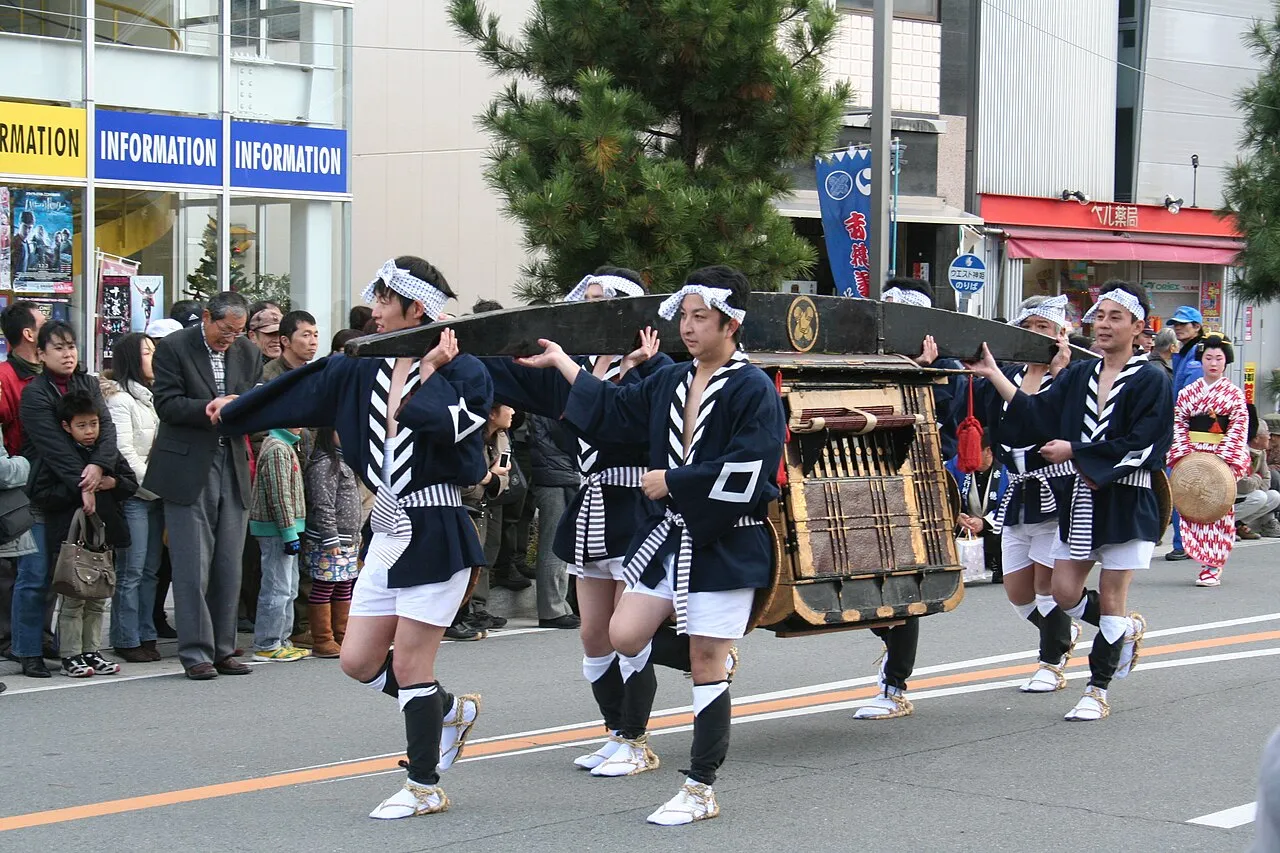
Akō has held the Gishi-sai, the festival of the loyal retainers, on December 14 since the early 20th century. The main event is a long parade through the town, with a daimyo procession, floats acting out the story and marchers dressed as the 47 rōnin.
The festival at a glance
| Date | What happens |
|---|---|
| Dec 13, evening | Eve of the festival: Events in the town the night before |
| Dec 14, from 10:00 | Chūshingura parade: A daimyo procession, floats acting out scenes from the story and the 47 retainers in costume leave from the castle gate |
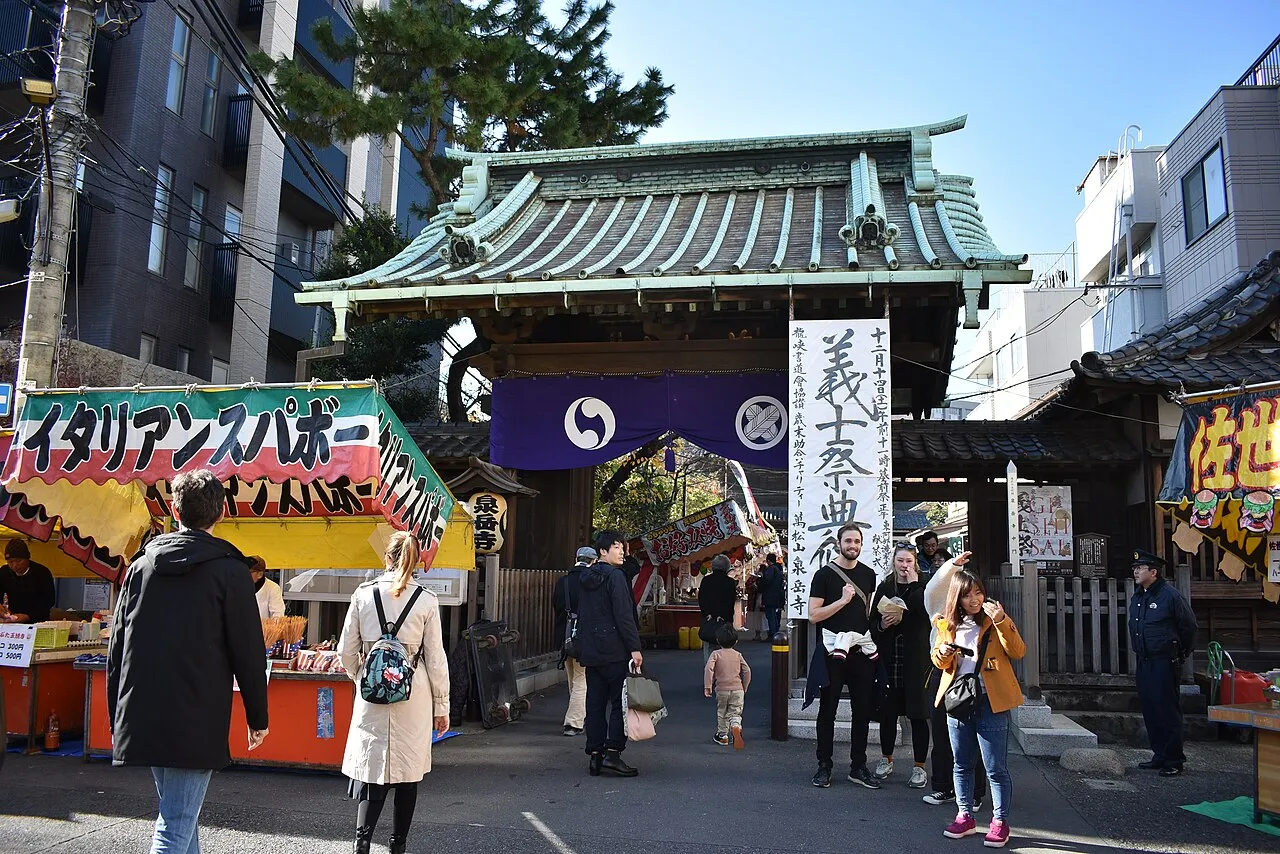
| Dec 14 | Memorial rites: Rites at Ōishi Shrine and a memorial service at Kagaku-ji temple, where the retainers are honoured |
Which day should you go?
Dec 14, morning
Find a place along the parade route near the castle gate before 10:00, then visit Ōishi Shrine.
What to look for

The 47 rōnin
Marchers dressed as the retainers in their famous black-and-white striped coats.
Scenes on floats
Floats act out key scenes, from the sword attack in Edo Castle to the night raid.
Ōishi Shrine
Built in 1912 on the site of the house of Ōishi Kuranosuke, the retainers' leader.
Getting there & where to stay
| From | How | Time |
|---|---|---|
| Osaka | Sanyō Shinkansen from Shin-Osaka to Aioi, then JR Akō Line | about 1 h |
| Osaka (no Shinkansen) | JR Special Rapid to Banshū-Akō (some direct trains) | about 1 h 40 min |
| Himeji | JR Sanyō and Akō lines to Banshū-Akō | about 30 min |
On the day. The parade starts at the main gate of Akō Castle, about 15–20 minutes on foot from Banshū-Akō Station along Oshiro-dōri.
Crowds. The parade route is crowded on December 14. Come by train; roads near the castle are closed.
Where to stay
Himeji
Many hotels, 30 minutes away, with Himeji Castle to visit.
Akō
A few hotels and hot-spring inns at Akō Onsen by the sea.
Osaka or Kobe
An easy day trip by Shinkansen.
When to book. Booking 1 month ahead is usually enough.
Book ahead
Some links on this page are affiliate links. We may earn a commission at no extra cost to you.
Times are typical fastest routes. Check current timetables before you travel.
Make a day of it
Akō Castle 赤穂城跡
The castle of the Asano lords, built over 13 years from 1648, whose loss set the story of the 47 rōnin in motion. The grounds are free; its two restored gardens, the Honmaru and Ninomaru, are national Places of Scenic Beauty (9:00–16:30). Ōishi Shrine stands inside the castle grounds.
Himeji Castle 姫路城
Japan's best-preserved original castle and a World Heritage Site, about 30 minutes from Akō by train. Visit on the way to or from the festival.
Opening hours change by season. Check before you go.
Practical tips
- In Tokyo. Sengaku-ji temple in Tokyo, where the retainers are buried, holds its own Gishi-sai around December 14. Visitors burn incense at the graves.
Glossary
Matsuri祭り
A Japanese festival, usually held for the kami of a local shrine. The word comes from the idea of serving and entertaining the gods.
References
- Akō Gishi-sai Hōsankai and Akō City tourism: festival programme.
- Nippon Travel Agency event listing: 123rd Akō Gishi-sai, December 14, 2026.
- Agency for Cultural Affairs (Cultural Heritage Online): Akō Castle gardens, https://online.bunka.go.jp/heritages/region/28/28212
Last checked 2026-10-16.