What it is
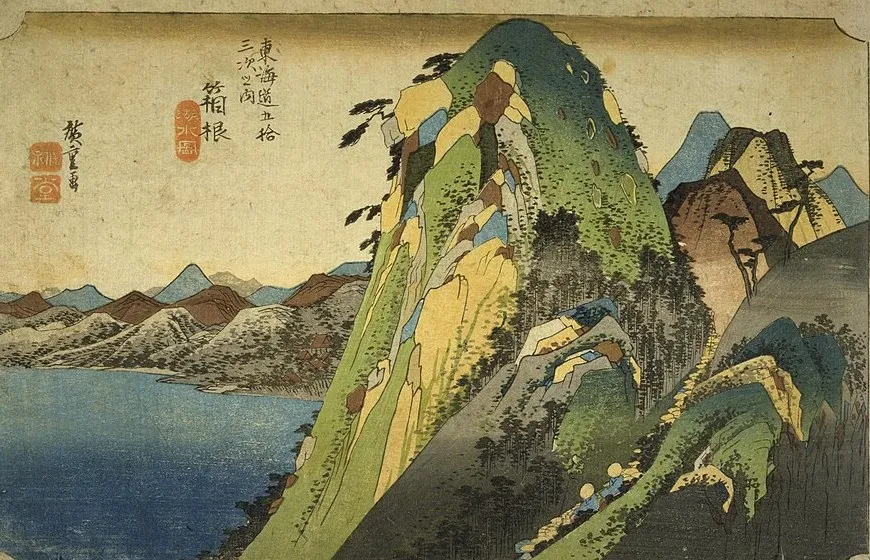
In the Edo period, feudal lords had to travel to Edo regularly with long processions of retainers, and the Tōkaidō road through Hakone was one of the busiest routes. The Hakone Daimyō Gyōretsu, first held in 1935, recreates the procession of the lord of the Odawara domain, which included Hakone.
On November 3, Culture Day, around 170 people in Edo-period costume walk through Hakone-Yumoto: footmen with spears, samurai, ladies-in-waiting and the lord’s palanquin, joined by musket teams, local geisha and marching bands.
The festival at a glance
| Date | What happens |
|---|---|
| Nov 3, from about 10:00 | The procession: Starting near Yumoto Elementary School, the procession winds through the town and along the old road until the afternoon |
Which day should you go?
Nov 3
Watch from the middle of the hot-spring town, a short walk from the station, where it is less crowded than by the station and the main road.
What to look for
Yakko
Footmen in front of the procession toss and twirl long feathered spears in rhythm.
The box handover
Bearers pass lacquered boxes from one to another with set, dance-like movements.
The old road
Part of the route follows the Tōkaidō, the road between Edo and Kyoto that lords once travelled.
Getting there & where to stay
| From | How | Time |
|---|---|---|
| Shinjuku, Tokyo | Odakyū Romancecar to Hakone-Yumoto | about 1 h 30 min |
| Tokyo Station | Tōkaidō Shinkansen to Odawara, then Hakone Tozan line to Hakone-Yumoto | about 1 h 10 min |
On the day. The procession moves through the town around Hakone-Yumoto Station. There is no parking; roads around the station may be closed.
Crowds. The station area and the main road are busiest. Walk a little into the hot-spring town for a calmer view.
Where to stay
Hakone-Yumoto
Hot-spring inns right by the procession. Stay the night before to be there early.
Day trip from Tokyo
Easy by Romancecar; book seats in advance for the holiday.
When to book. November 3 is a holiday in the autumn-leaf season. Book Hakone inns 2–3 months ahead.
Book ahead
Some links on this page are affiliate links. We may earn a commission at no extra cost to you.
Times are typical fastest routes. Check current timetables before you travel.
Make a day of it
The old Tōkaidō stone road and Hatajuku 旧街道石畳・畑宿
The parade recreates travel on the old Tōkaidō highway, and stretches of its stone paving, laid by the shogunate to make the steep mountain road passable, still survive above Yumoto. At Hatajuku, a rest stop on the old road, workshops make Hakone's yosegi marquetry, and you can watch the craftsmen at work. Both are on the Hakone Tozan bus line from Hakone-Yumoto.
Opening hours change by season. Check before you go.
Practical tips
- Weather. The procession goes ahead in light rain but is cancelled in heavy rain. Check with the Hakone-Yumoto Tourism Association.
- Combine. Spend the afternoon at a Hakone hot spring, or continue to Lake Ashi and the autumn leaves.
Glossary
Matsuri祭り
A Japanese festival, usually held for the kami of a local shrine. The word comes from the idea of serving and entertaining the gods.
References
- Hakone-Yumoto Tourism Association: Hakone Daimyō Gyōretsu.
- Japan Tourism Agency multilingual commentary database: Hakone Daimyō Gyōretsu.
- Hatajuku Yosegi Kaikan and Hakone Town tourism: the old Tōkaidō road.
Last checked 2026-10-16.