What it is
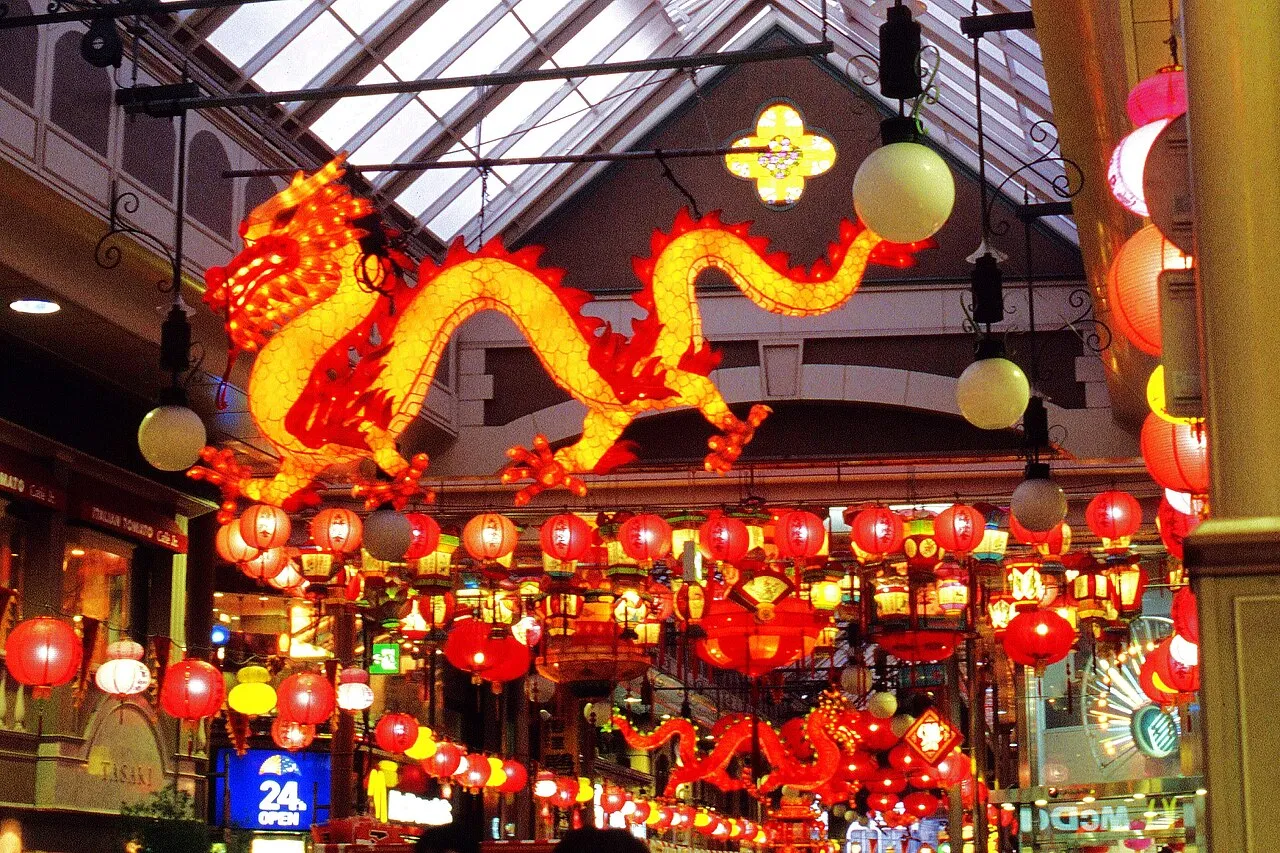
Nagasaki was Japan’s main port for trade with China for centuries, and its Chinese community still lives around Shinchi Chinatown. The Lantern Festival began as their celebration of the Lunar New Year, the Spring Festival. In 1994 the city expanded it into a festival for all of Nagasaki.
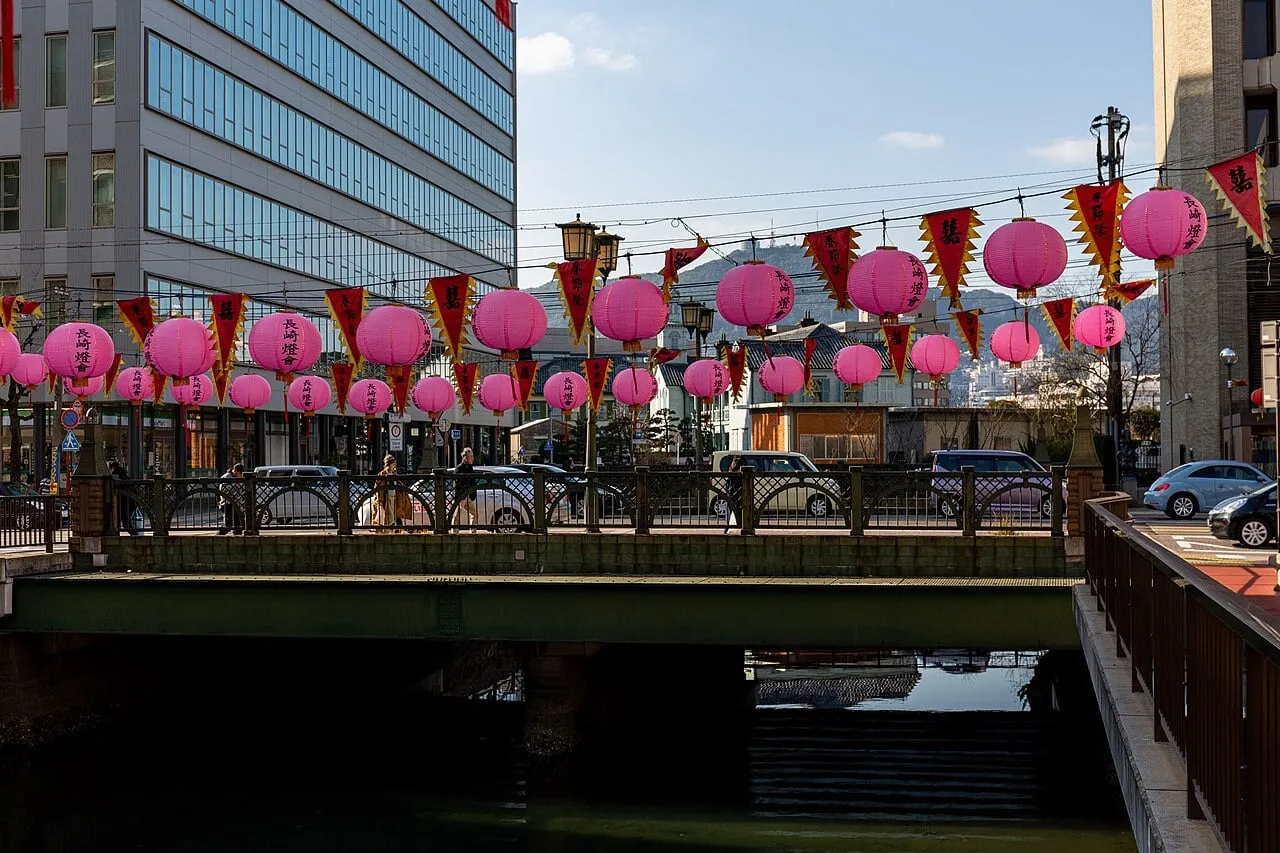
Today about 15,000 lanterns hang over the streets, bridges and parks of the city centre for around two weeks. The Mazu procession honours the sea goddess who protected Chinese sailors, and there are performances and food stalls every evening.

The festival at a glance
| Date | What happens |
|---|---|
| Opening day, evening | Lighting ceremony: The lanterns across the city are switched on together |
| Daily, evening | Lantern displays: Lanterns and large lantern sculptures are lit in Chinatown, Minato Park, Chūō Park and along the Nakashima River |
| Selected days | Mazu procession: About 140 people in Chinese costume carry the sea goddess Mazu through the streets to the sound of gongs |
Which day should you go?
Any evening
Walk from Chinatown to Minato Park and along the river after dark, when the lanterns are lit.
A weekday
Weekends are very busy; weekday evenings are calmer.
What to look for

Lantern sculptures
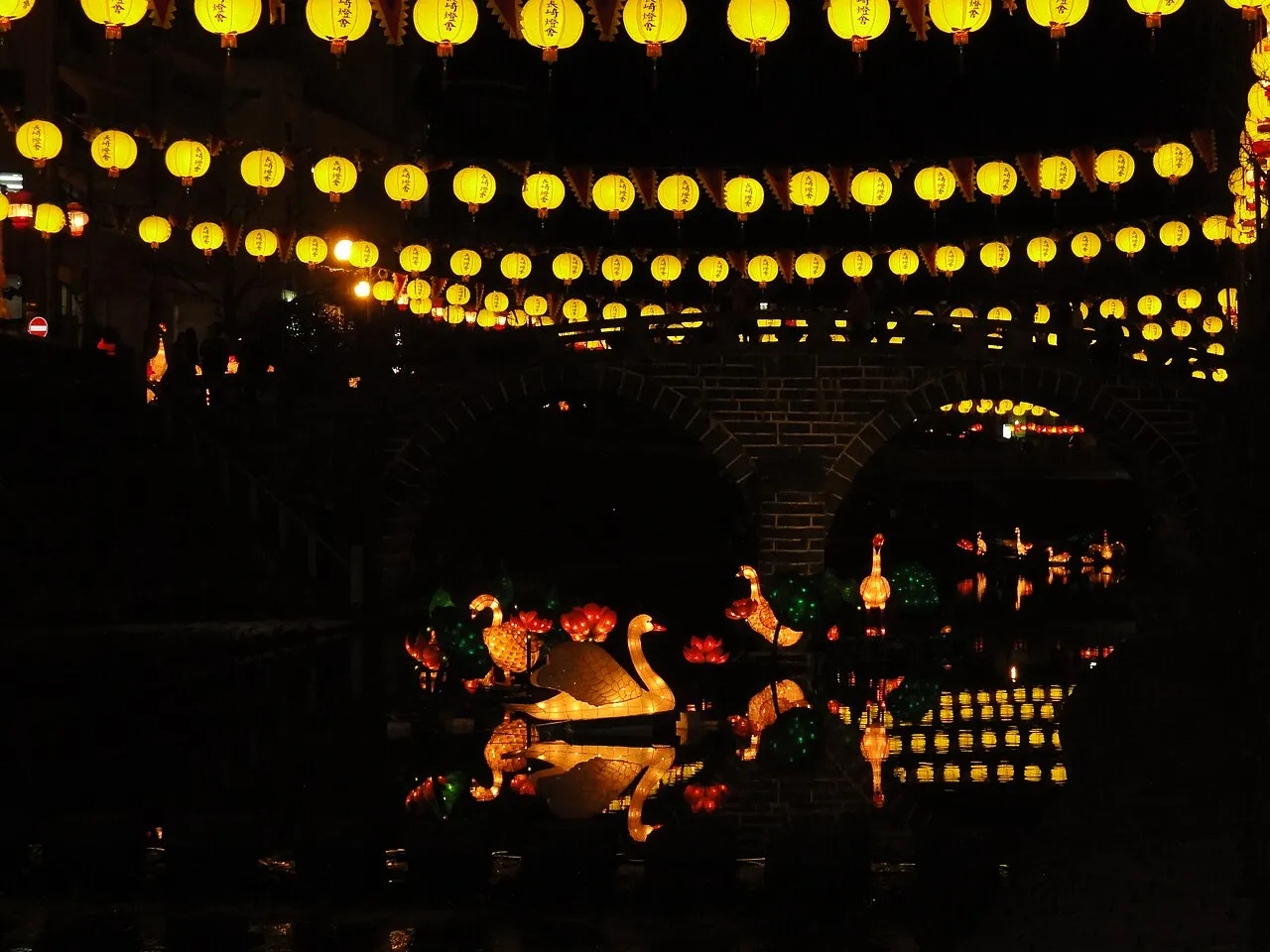
Large lantern figures of animals, gods and scenes from Chinese legend stand in the parks and squares.
Megane Bridge
The stone 'spectacles bridge' over the Nakashima River is framed by lanterns.
Chinatown
Shinchi Chinatown, one of Japan's three main Chinatowns, is the heart of the festival.
Getting there & where to stay
| From | How | Time |
|---|---|---|
| Fukuoka | Relay Kamome and Nishi-Kyushu Shinkansen from Hakata to Nagasaki | about 1 h 30 min |
| Tokyo | Fly to Nagasaki Airport, then airport bus to the city | about 3 h |
On the day. The main venues are in the city centre, connected by tram. Shinchi Chinatown is near the Tsukimachi and Shinchi Chūkagai tram stops.
Crowds. Weekend evenings and the opening night are very busy. Weekday evenings are calmer.
Where to stay
Central Nagasaki (Hamanomachi or Shinchi)
Walk between the lantern venues and back to your hotel.
Nagasaki Station area
Easy arrival by train or airport bus, a few tram stops from the venues.
When to book. Book 2 months ahead for weekends during the festival.
Book ahead
Some links on this page are affiliate links. We may earn a commission at no extra cost to you.
Times are typical fastest routes. Check current timetables before you travel.
Make a day of it
Mount Inasa 稲佐山
The ropeway climbs to the 333-metre summit in about five minutes, for one of Japan's most famous night views over the harbour city. Open 9:00–22:00; it can stop in bad weather.
Kōfuku-ji and the Confucius Shrine 興福寺・孔子廟
Two monuments of Nagasaki's Chinese community, both decorated as festival venues. At the Confucius Shrine, visitors can hang lanterns with wishes for love.
Shinchi Chinatown by day 新地中華街
Come back in daylight to eat champon noodles and buns in the narrow streets around the main lantern venue at Minato Park.
Opening hours change by season. Check before you go.
Practical tips
- Check the dates. The festival follows the Lunar New Year, so the dates change each year. Check the official site.
- Food. Try Nagasaki champon noodles and steamed buns from the Chinatown stalls.
Glossary
Matsuri祭り
A Japanese festival, usually held for the kami of a local shrine. The word comes from the idea of serving and entertaining the gods.
Shishimai獅子舞
A lion dance, in which dancers inside a lion costume with a large wooden head perform to drive away evil and bring good fortune.
References
- Nagasaki Lantern Festival official information.
- Kinki Nippon Tourist: Nagasaki Lantern Festival 2027 dates.
- Nagasaki City tourism (Nagasaki Tabinet): Nagasaki Ropeway, https://www.nagasaki-tabinet.com/guide/168
- Nagasaki City: Minato Park, https://www.city.nagasaki.lg.jp/sumai/630000/632000/p010408.html
Last checked 2026-10-15.