What it is
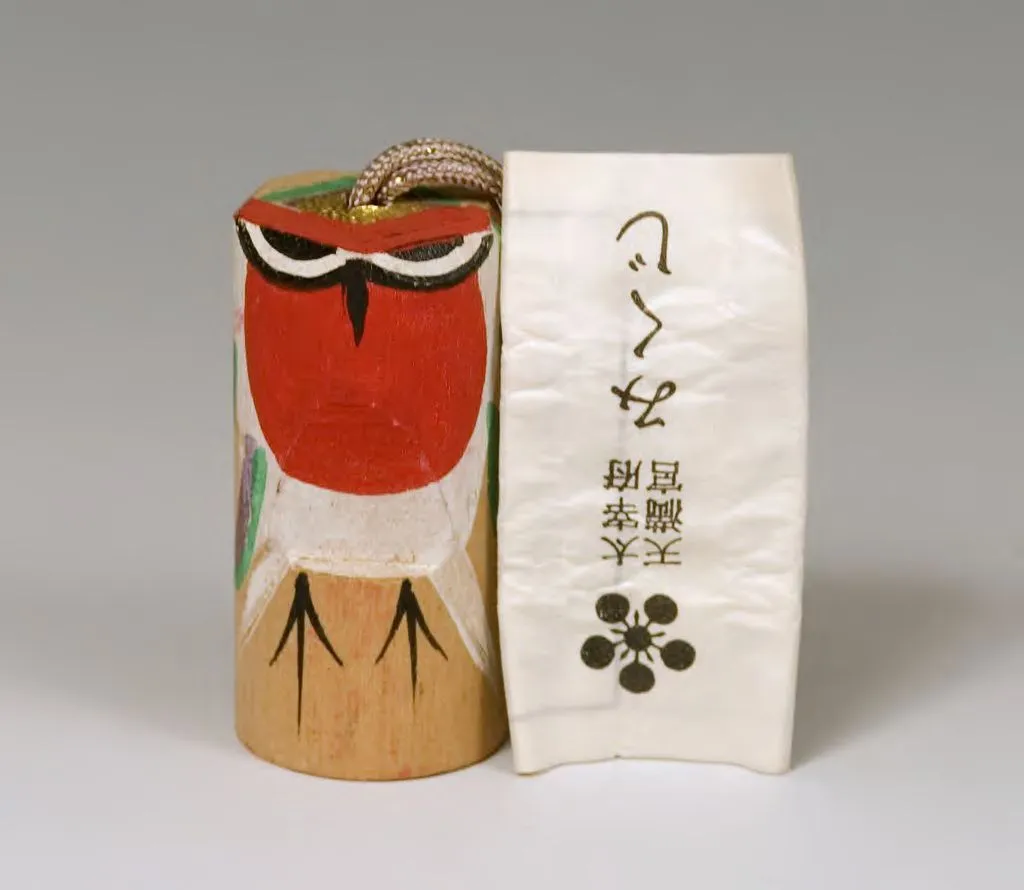
Usokae is held at Dazaifu Tenmangū, the shrine built over the grave of Tenjin, the scholar Sugawara no Michizane. Visitors buy a small hand-carved wooden bullfinch, or uso, and swap it again and again with strangers in the dark. The word uso also means “lie”, so with every swap the bad things of the past year become lies, and good luck replaces them.
Why the bullfinch? Legends differ, but most tell of a flock of bullfinches driving away a swarm of bees, either from Michizane himself or from the builders of the shrine. Similar exchanges are held at other Tenmangū shrines, but Dazaifu’s is the best known.
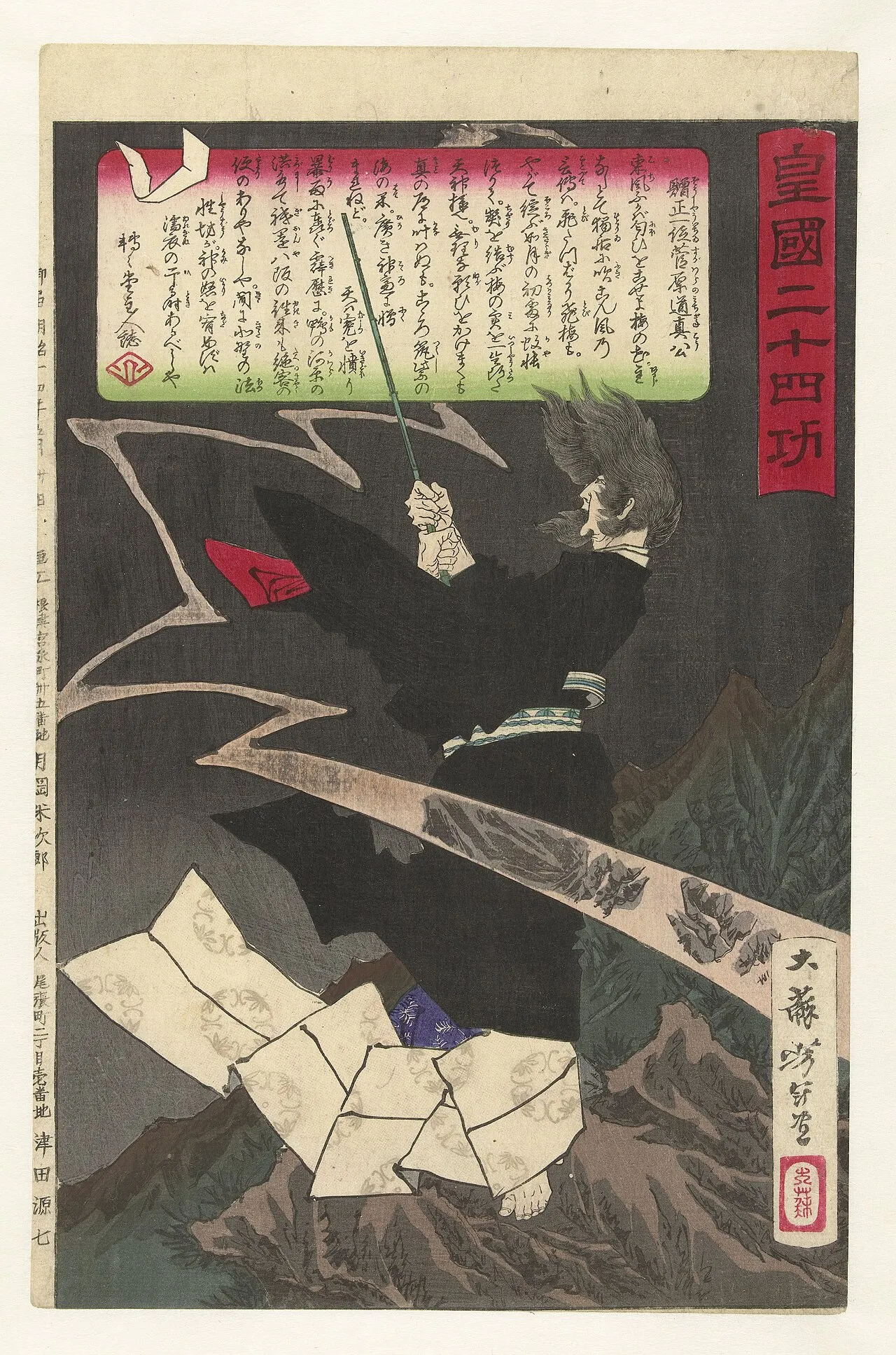 Kami of this festivalTenjinA brilliant scholar who died in exile and was feared as an angry spirit, then honored as a kami. Today Tenjin is the god of learning, and students pray to him before exams. Read the story →
The festival at a glance
| Date | What happens |
|---|---|
| Jan 7, evening | Usokae: Visitors exchange wooden bullfinch figures in the shrine grounds after dark |
| Jan 7, night | Onisube: A fire ritual later the same night, in which smoke is used to drive a demon out of a wooden hut |
Which day should you go?
Jan 7, from early evening
Buy a bullfinch at the shrine during the day, then join the exchange after dark. Stay on for the Onisube fire ritual if you can.
What to look for
The uso bird
Uso means bullfinch, and also sounds like the word for “lie”. Swapping your bird turns last year's misfortunes into lies.
The call
People hold out their birds and call “Kaemashō, kaemashō!” (“Let's swap!”) as they trade with whoever is next to them.
The golden bird
Several times during the evening the exchange stops and the shrine announces winners, who receive a bullfinch made of pure gold.
Getting there & where to stay
| From | How | Time |
|---|---|---|
| Tenjin, Fukuoka | Nishitetsu Line to Dazaifu | about 30 min |
| Fukuoka Airport | Bus to Dazaifu | about 25 min |
On the day. Dazaifu Tenmangū is about 5 minutes on foot from Dazaifu Station. The bird-swapping ritual starts in the early evening.
Crowds. The bird swap is crowded and lively. Buy a wooden bird at the shrine before it starts.
Where to stay
Hakata or Tenjin
Many hotels, about 30–45 minutes from Dazaifu.
Dazaifu
A few inns near the shrine.
When to book. Booking 2–4 weeks ahead is usually enough.
Times are typical fastest routes. Check current timetables before you travel.
Practical tips
- Buy early. The wooden birds are sold at the shrine and can sell out. Buy yours before the exchange starts.
- Cold. Dazaifu is cold on a January night. Dress warmly for standing outside.
- Combine. Walk the approach lined with shops selling umegae-mochi, the grilled rice cakes Dazaifu is known for.
Glossary
Omamoriお守り
A small cloth charm sold at shrines and temples for protection, health, safe travel or success. Keep it closed and carry it with you.
Matsuri祭り
A Japanese festival, usually held for the kami of a local shrine. The word comes from the idea of serving and entertaining the gods.
References
- Dazaifu Tenmangū, official website: Usokae and Onisube.
- Fukuoka Prefecture Tourism Association: January events.
Last checked 2026-10-12.