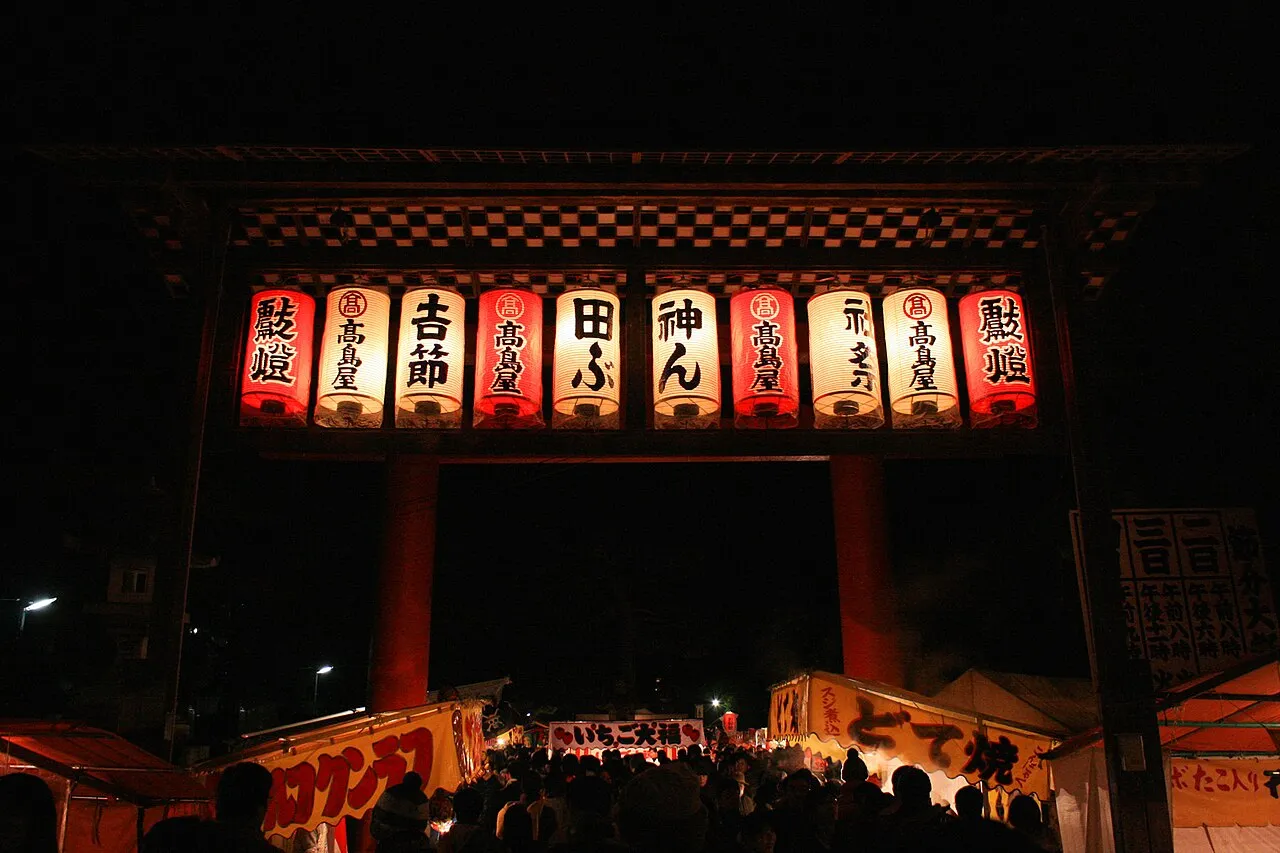
What Setsubun is
Setsubun means “the division of the seasons”. In the old calendar, the year began with Risshun, the first day of spring, in early February, and Setsubun is the day before it: a kind of New Year’s Eve, when bad luck has to be driven out before the new season comes in.
The custom came from China, from a palace rite called tsuina that chased away demons of disease. Setsubun once marked the eve of each of the four seasons, but by the Edo period the name was used for the eve of spring alone.
The date moves a little with the sun. In 2027, Risshun falls on February 4, so Setsubun is Wednesday, February 3, 2027.
Mamemaki, the bean-throwing
The heart of Setsubun is mamemaki. At home, someone throws roasted soybeans out of the door and around the rooms, shouting:
Oni wa soto! Fuku wa uchi! “Demons out! Good luck in!”
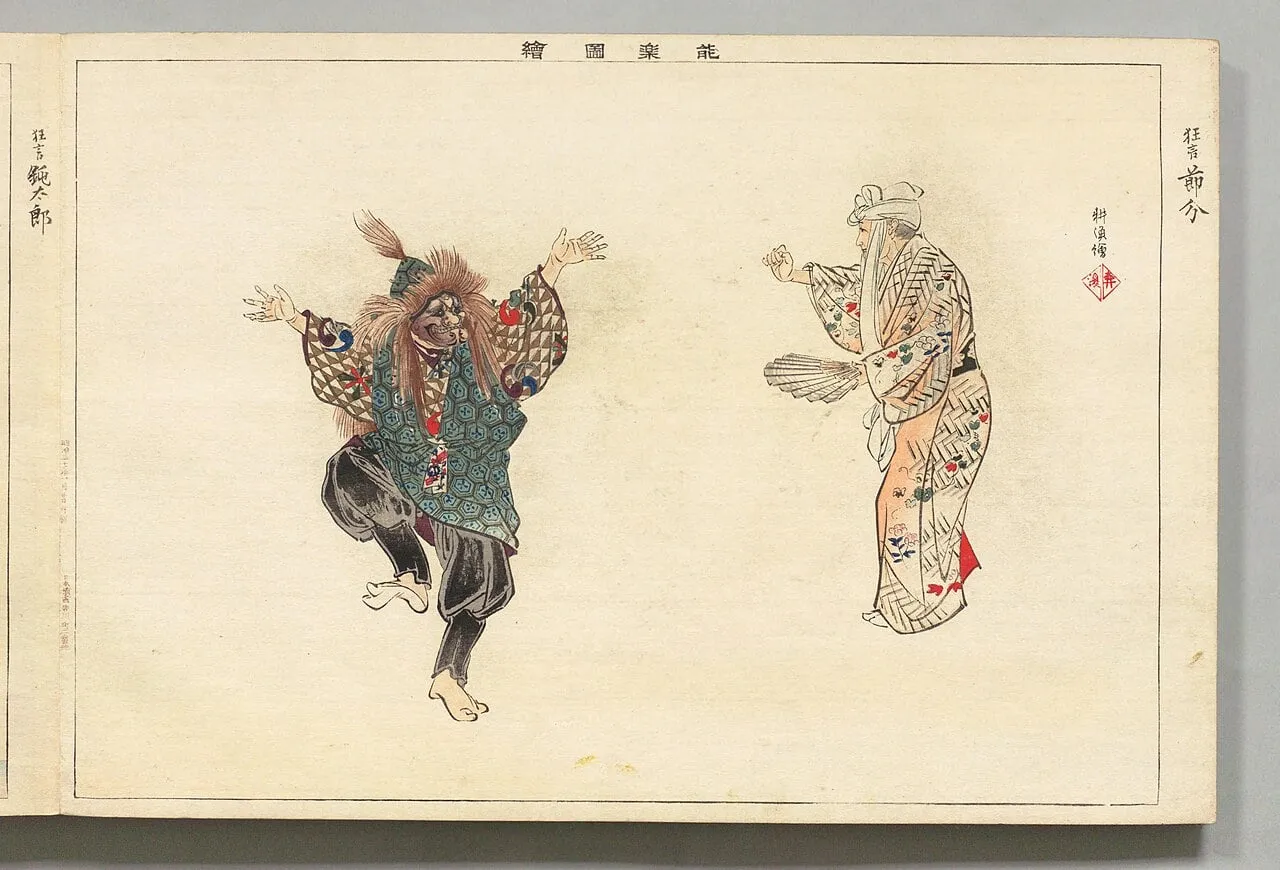
Often a parent wears a cardboard demon mask and children pelt them with beans. Afterwards, everyone eats one bean for each year of their age, plus one more for the year to come, for good health.
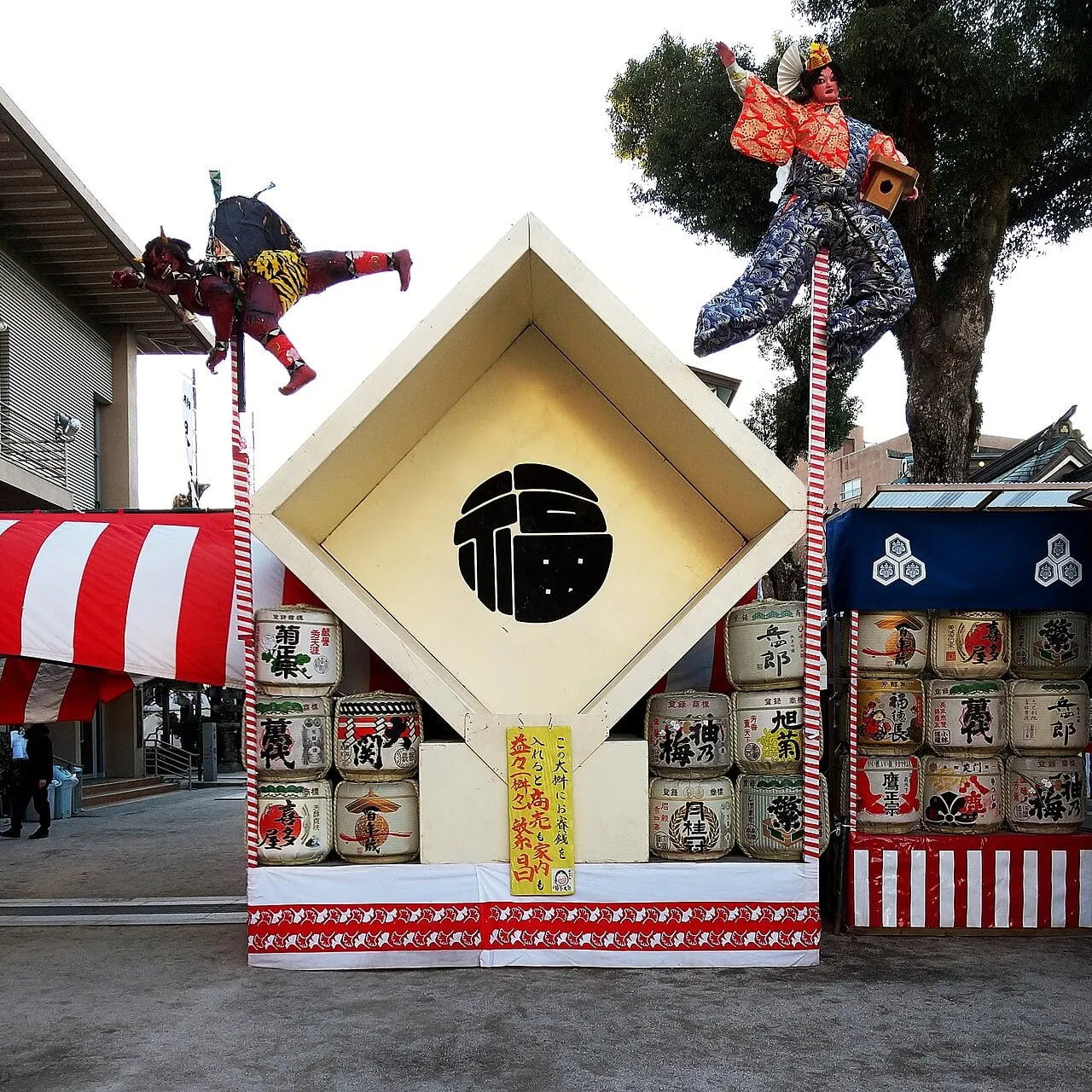
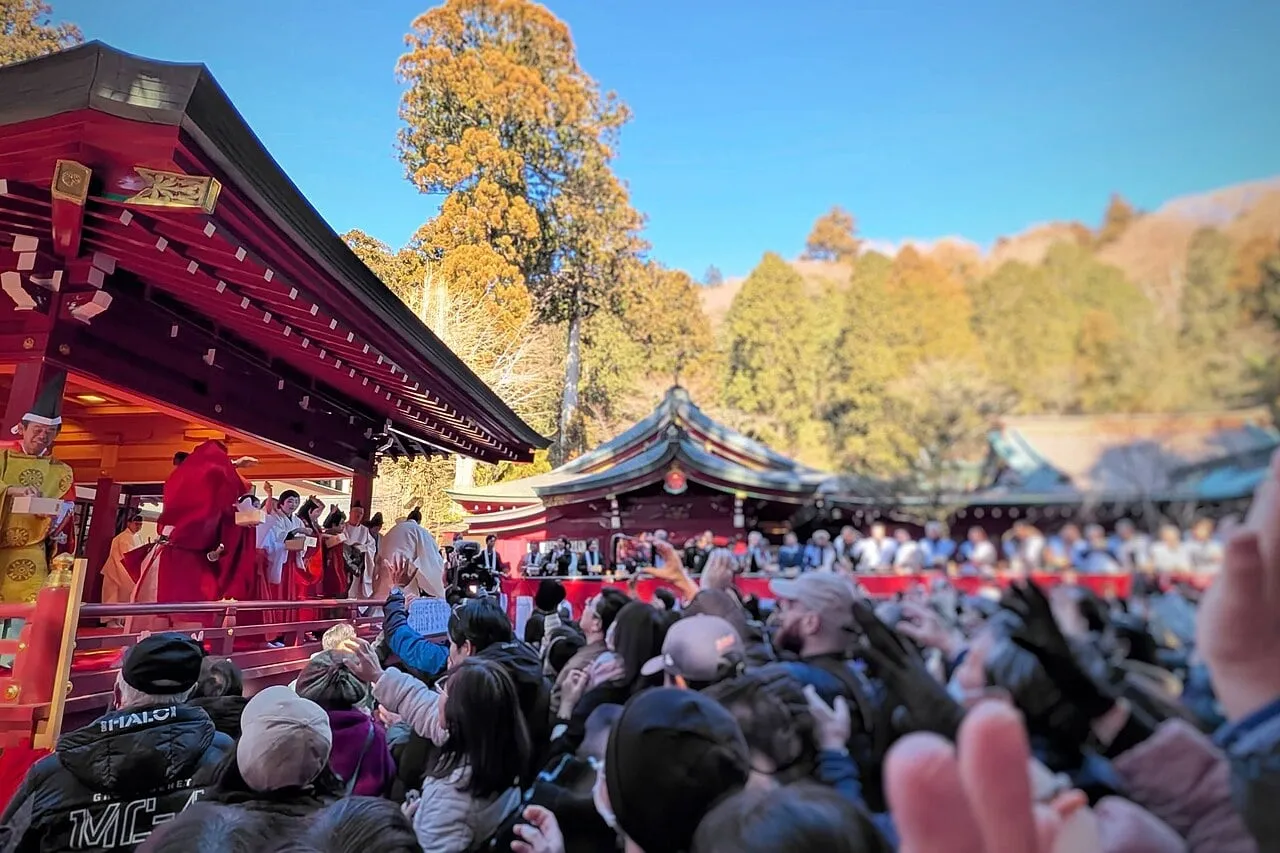
Shrines and temples hold their own bean-throwing ceremonies, called setsubun-e or setsubun-sai. Priests, local people born in the year’s zodiac sign, and at big temples sumo wrestlers and actors throw beans, and sometimes small packets of sweets, from a stage to the crowd below. Catching one is lucky.
What people eat and hang
- Roasted soybeans, sold everywhere in the days before Setsubun, often with a paper demon mask in the bag.
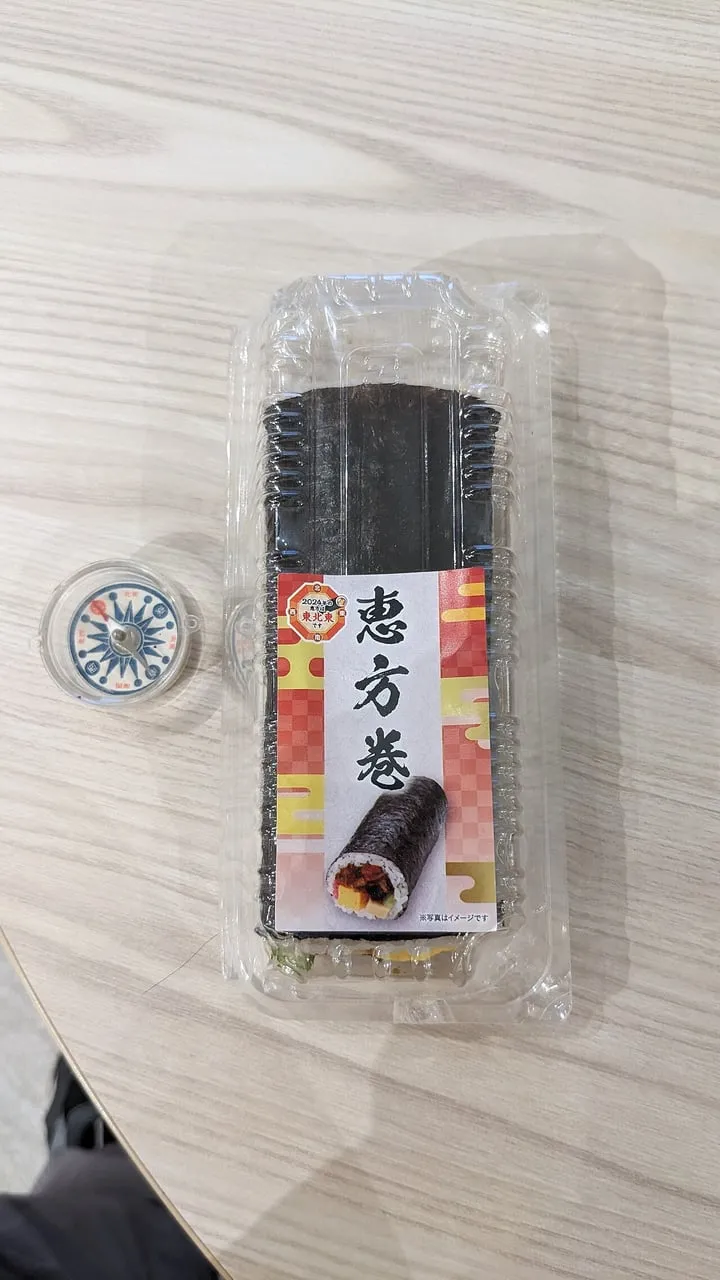
- Ehōmaki, a thick sushi roll eaten whole, in silence, facing the year’s lucky direction (ehō). The custom started in Osaka. It spread across Japan from the 1990s, when convenience stores and supermarkets began selling the rolls; there is no fixed filling, though seven ingredients, for the Seven Lucky Gods, are common.
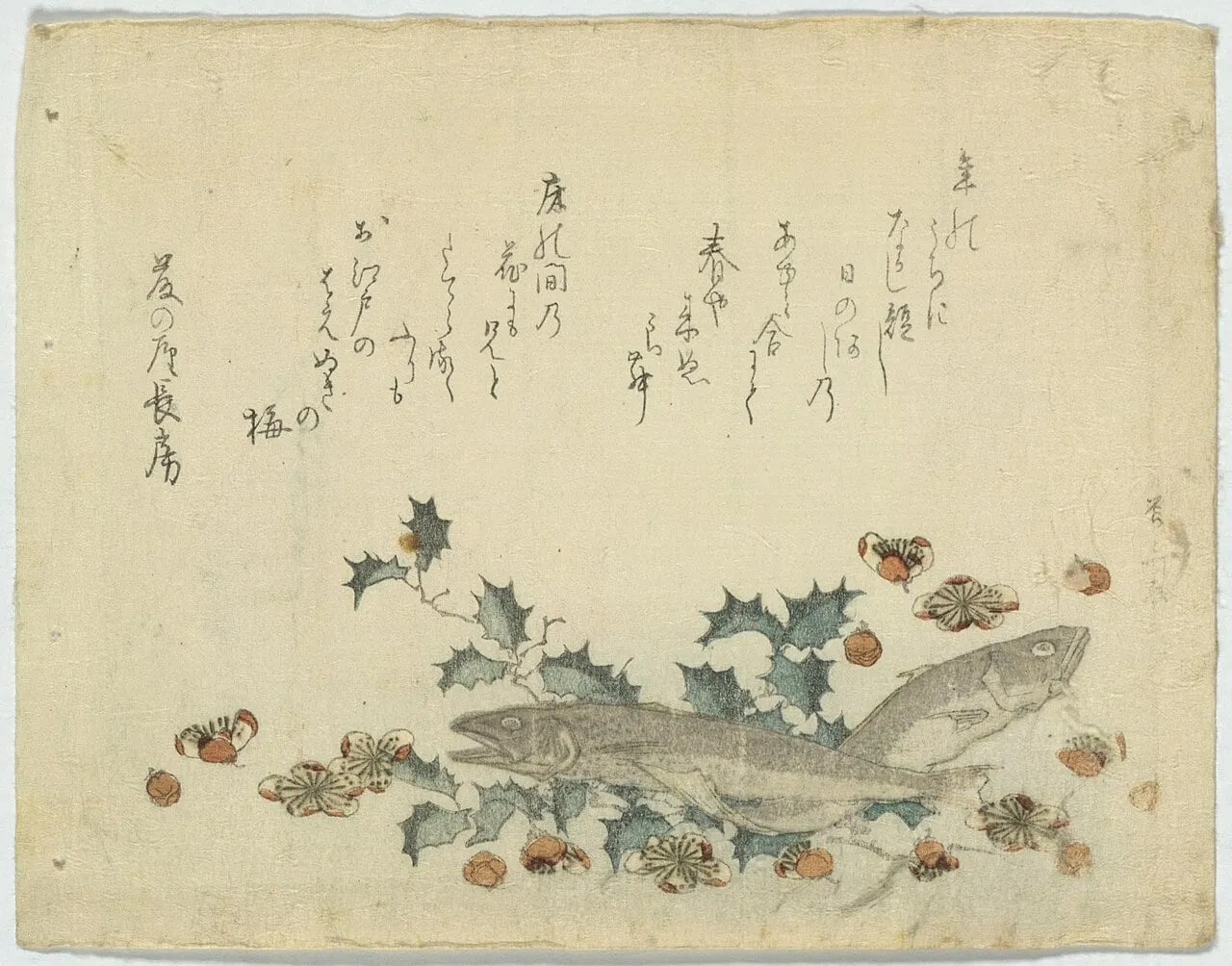
- Sardines, eaten especially in western Japan. The smell and smoke of grilling sardines are said to keep demons away.
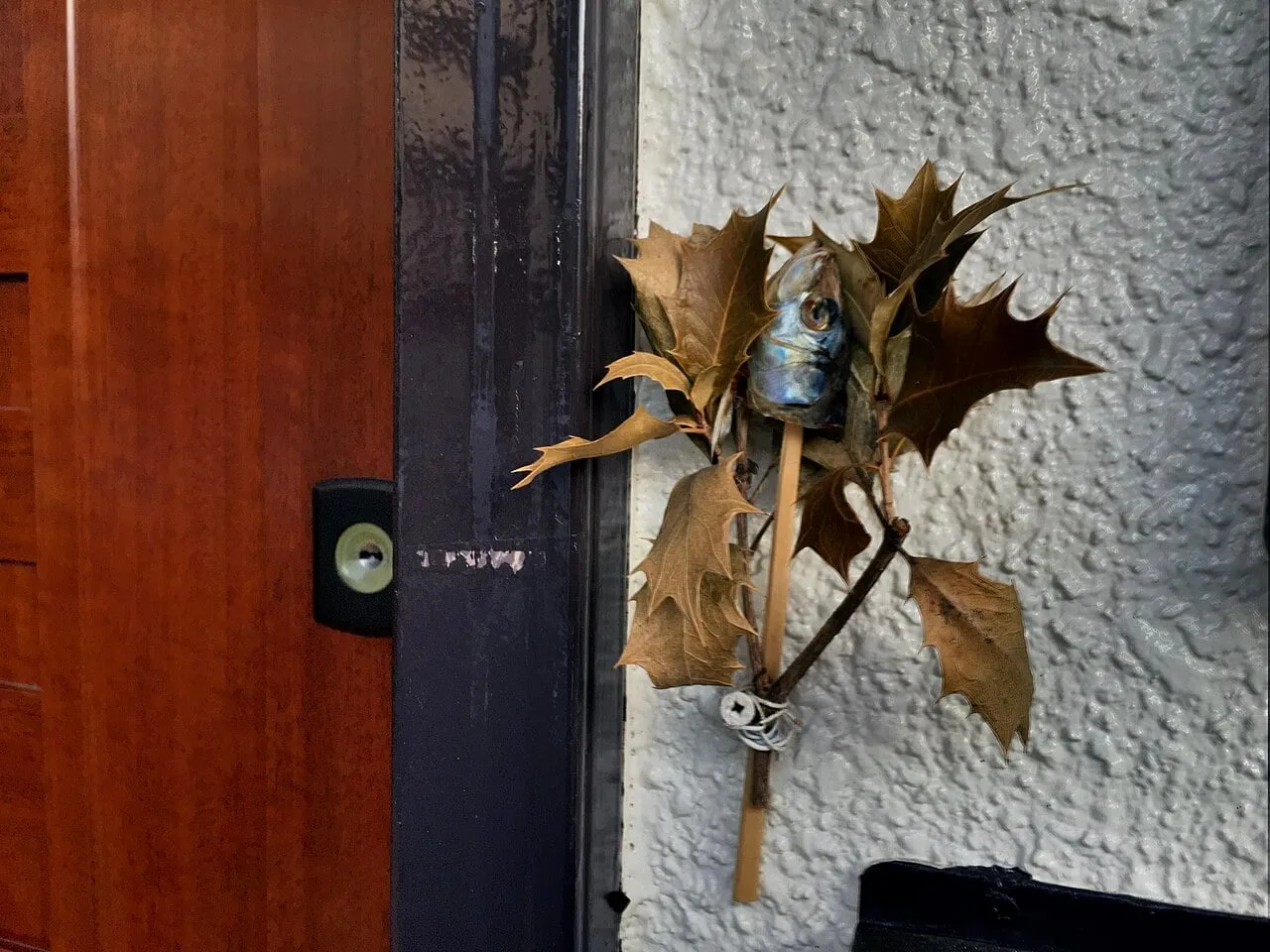
- Hiiragi iwashi, a sprig of prickly holly with a grilled sardine head, hung at the front door. Demons are said to hate the smell of the fish and the spines of the holly.
Where to see Setsubun
| Place | City | What to see |
|---|---|---|
| Yoshida Shrine | Kyoto | A four-eyed exorcist chases red, blue and yellow demons out of the shrine, then old charms are burned in a great bonfire |
| Rozan-ji | Kyoto | Oni-hōraku: red, blue and black demons stamp and dance before they are driven out with beans |
| Mibu-dera | Kyoto | A Setsubun play of Mibu kyōgen, a silent masked comedy |
| Sensō-ji | Tokyo | A procession, bean-throwing and a dance of the Seven Lucky Gods; in the afternoon, entertainers with ties to Asakusa throw beans |
| Naritasan Shinshō-ji | Narita | Sumo wrestlers and actors from the year’s NHK historical drama throw beans |
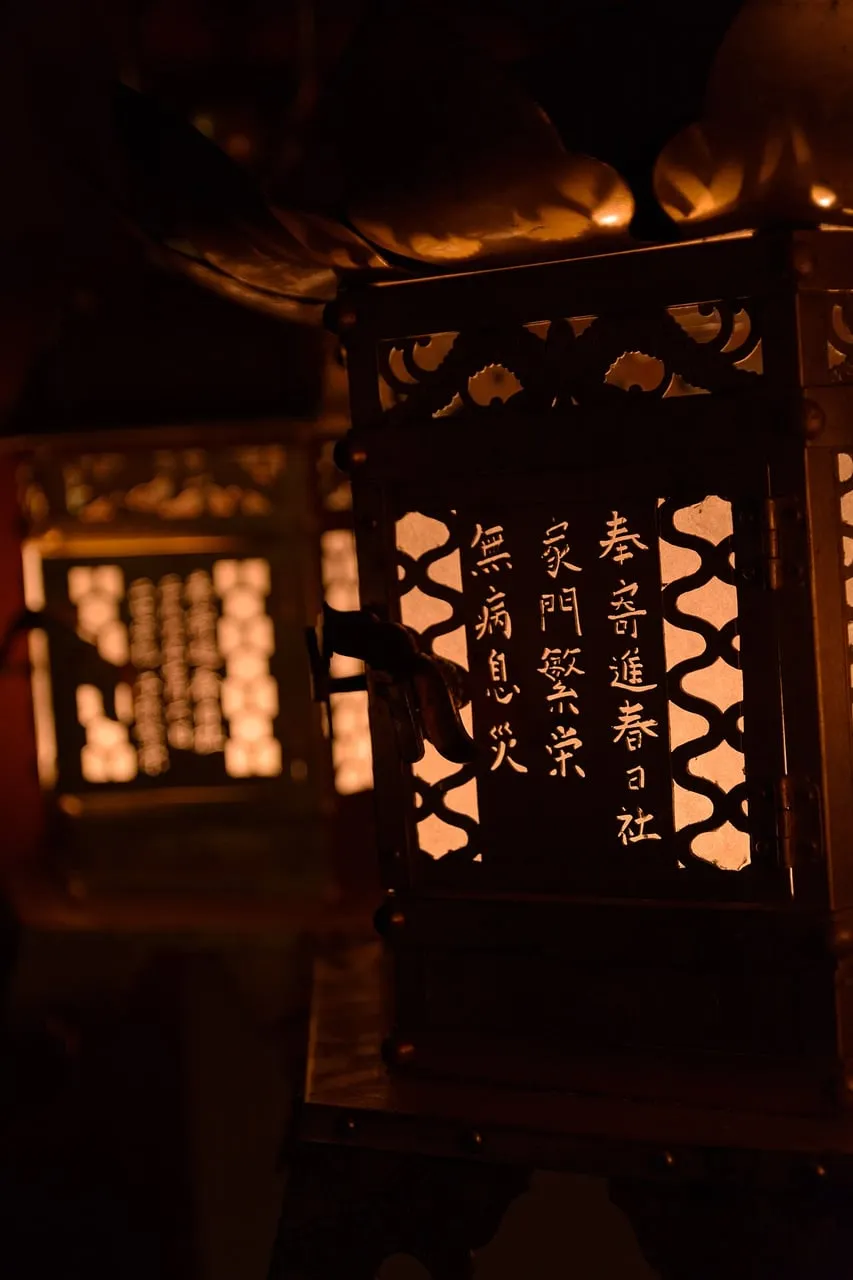
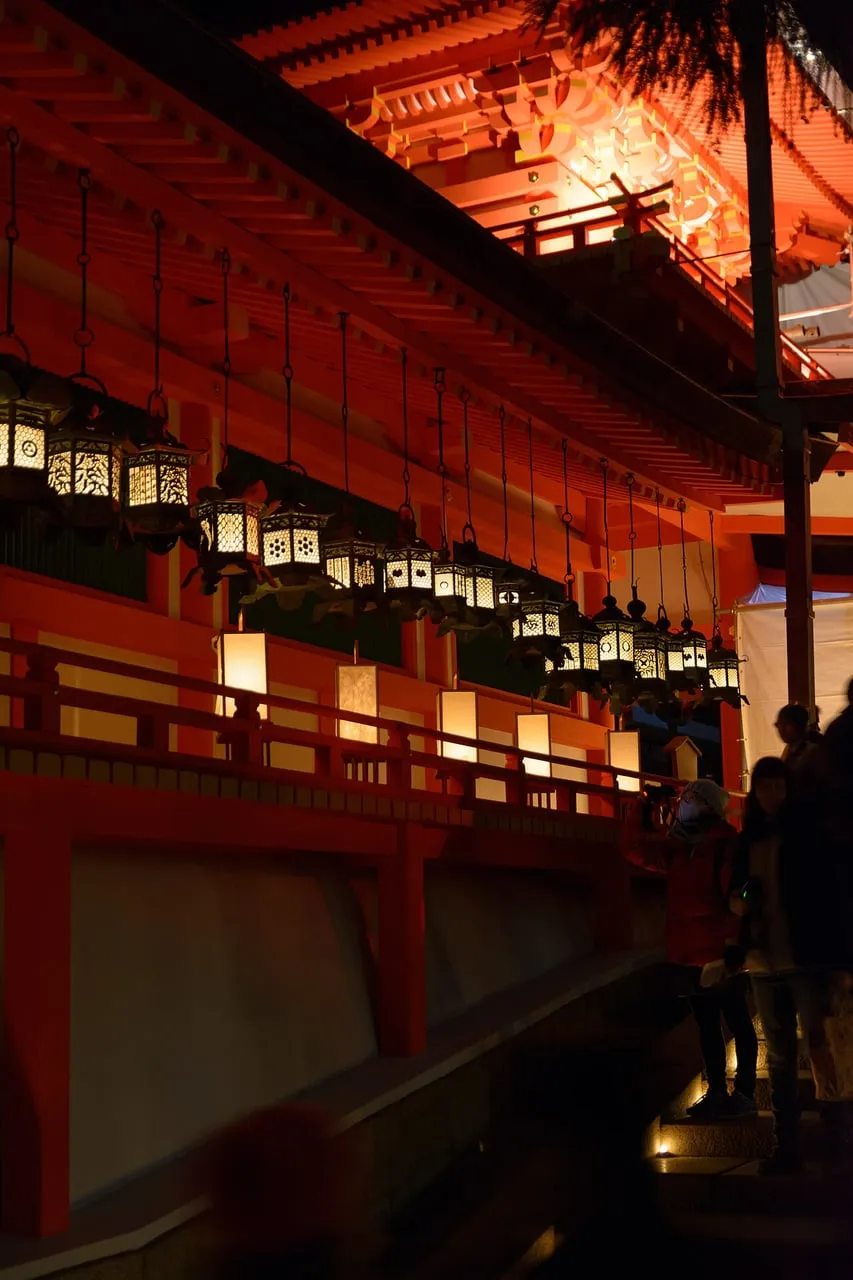
| Kasuga Taisha | Nara | The Setsubun Mantōrō: all of the shrine’s roughly 3,000 lanterns are lit |
Two things to know
- Not everywhere says “demons out”. At Sensō-ji the call is senshū banzei, fuku wa uchi, “a thousand autumns, ten thousand years, good luck in”, because it is said there are no demons in the presence of Kannon.
- Kyoto’s four-shrine round. Some people visit four places linked to demons on Setsubun: Yoshida Shrine, Mibu-dera, Kitano Tenmangū, and Fushimi Inari Taisha or Yasaka Shrine.
Tips
- Go early. Bean-throwing stages at famous temples draw thousands. Arrive an hour ahead for a place in front.
- Bring a bag. Beans and sweets fly into the crowd. Hold up an open bag or a hat, and watch your footing.
- Check the times. Each shrine and temple sets its own schedule, and some events need tickets or advance booking. Check the official site in January.
- It is cold. Early February is the coldest time of year. Dress for standing still outdoors.
See our winter festivals guide and the February month guide for more of the season.