Japan Festival Atlas
Festivals / February

Japan Festivals in February

Snow sculptures, glowing snow huts and demon-chasing rites. February is the heart of winter, and its festivals are some of the most magical of the year.

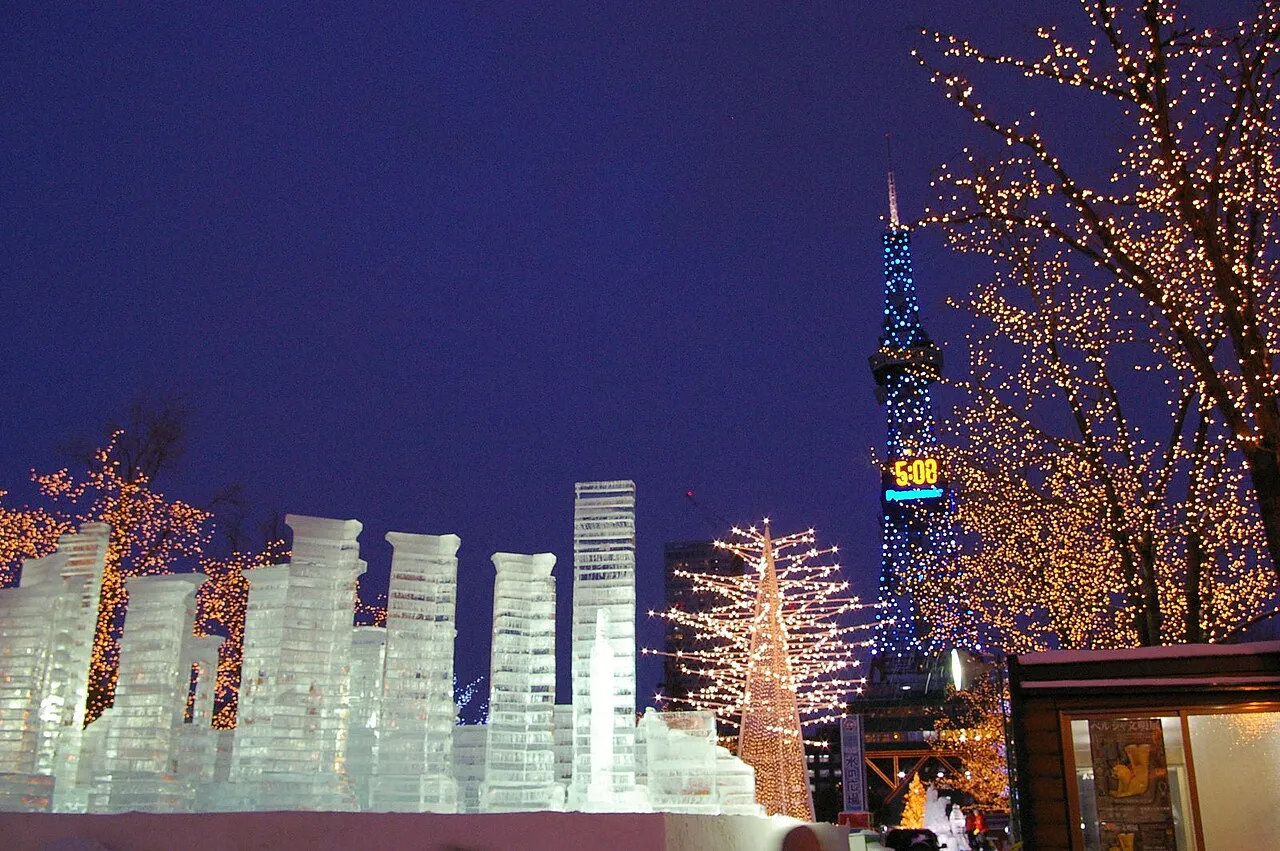
Ice sculptures lit blue at night in Ōdōri Park, with illuminated trees and the Sapporo TV Tower behind.
Ice sculptures in Ōdōri Park at night, February 2007. Photo: Materialscientist, CC BY-SA 3.0. Source
At a glance

February festivals by date

DateFestivalWhereAccess
Feb 2–4, 2027Setsubun at Yoshida ShrineKyoto★
Feb 4–11, 2027Sapporo Snow FestivalSapporo, Hokkaido★★★
Feb 5–21, 2027Nagasaki Lantern FestivalNagasaki★★★
Feb 6–13, 2027Otaru Yuki Akari no MichiOtaru, Hokkaido★★
Feb 10–14, 2027Hirosaki Castle Snow Lantern FestivalHirosaki, Aomori★★★
Feb 12–14, 2027Namahage Sedo FestivalOga, Akita★★★
Feb 12–13, 2027Yokote Kamakura FestivalYokote, Akita★★★
Feb 18, 2027Konomiya Hadaka MatsuriInazawa, Aichi★
Feb 20 – Mar 3, 2027Katsuura Big Hina MatsuriKatsuura, Chiba★★
Feb 20, 2027Saidaiji Eyō (Naked Festival)Okayama★★
Feb 25, 2027Baikasai Plum FestivalKyoto★

Stars: ★ from a major city, ★★ a day trip, ★★★ an overnight stay. See every festival on the festival map.

What February is like

February is cold everywhere and snowy in Hokkaido, Tohoku and along the Japan Sea. It is the season for snow festivals in the north. In the cities it is dry and clear, and by late February the first plum blossoms open in Kyoto and Tokyo.

Outside the snow festivals, February is one of the quietest months for tourism, so hotels are easier to find and prices are lower.

Highlights

  • Sapporo Snow Festival, Hokkaido. For about a week in early February, giant snow and ice sculptures line Ōdōri Park in the city centre.
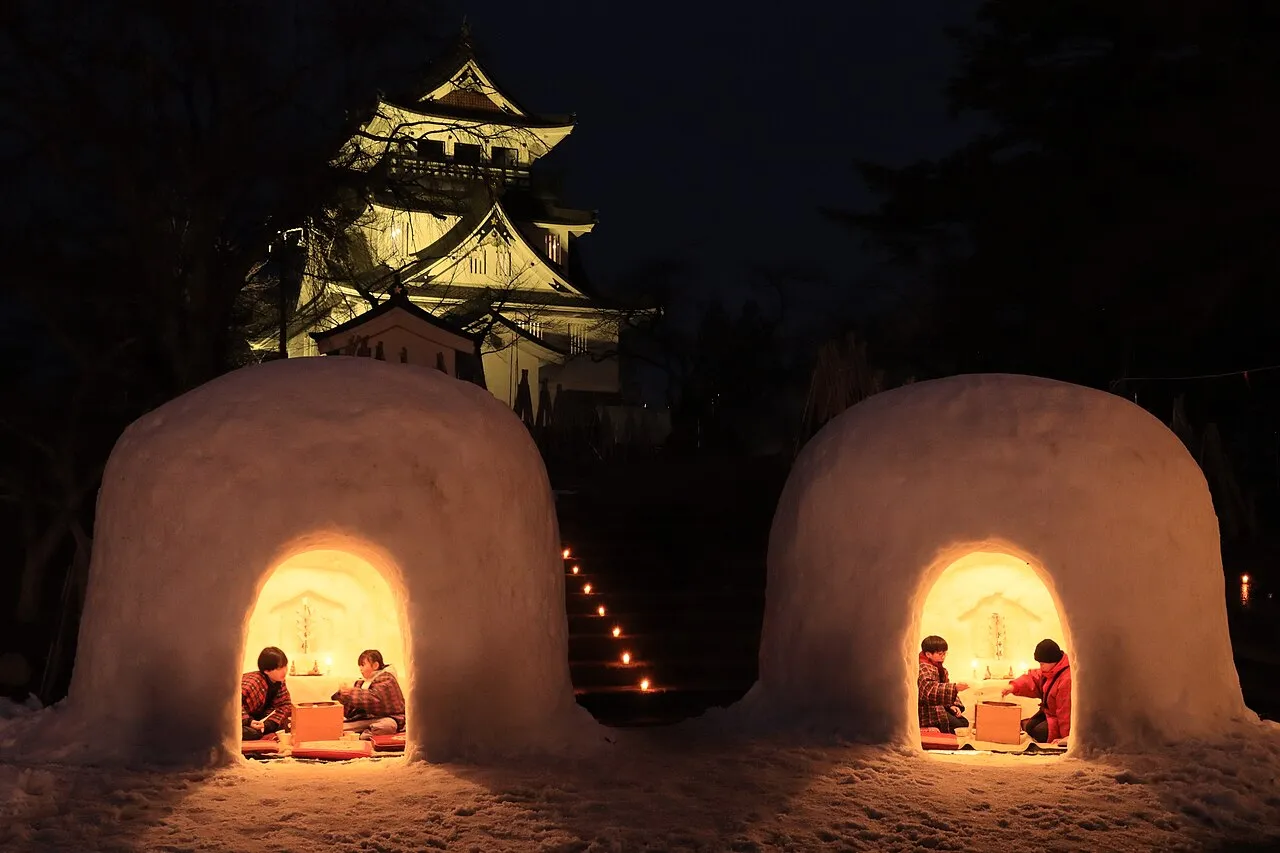
  • Yokote Kamakura, Akita. On the second Friday and Saturday of February, hundreds of candle-lit snow huts glow in the dark, and children invite visitors in.
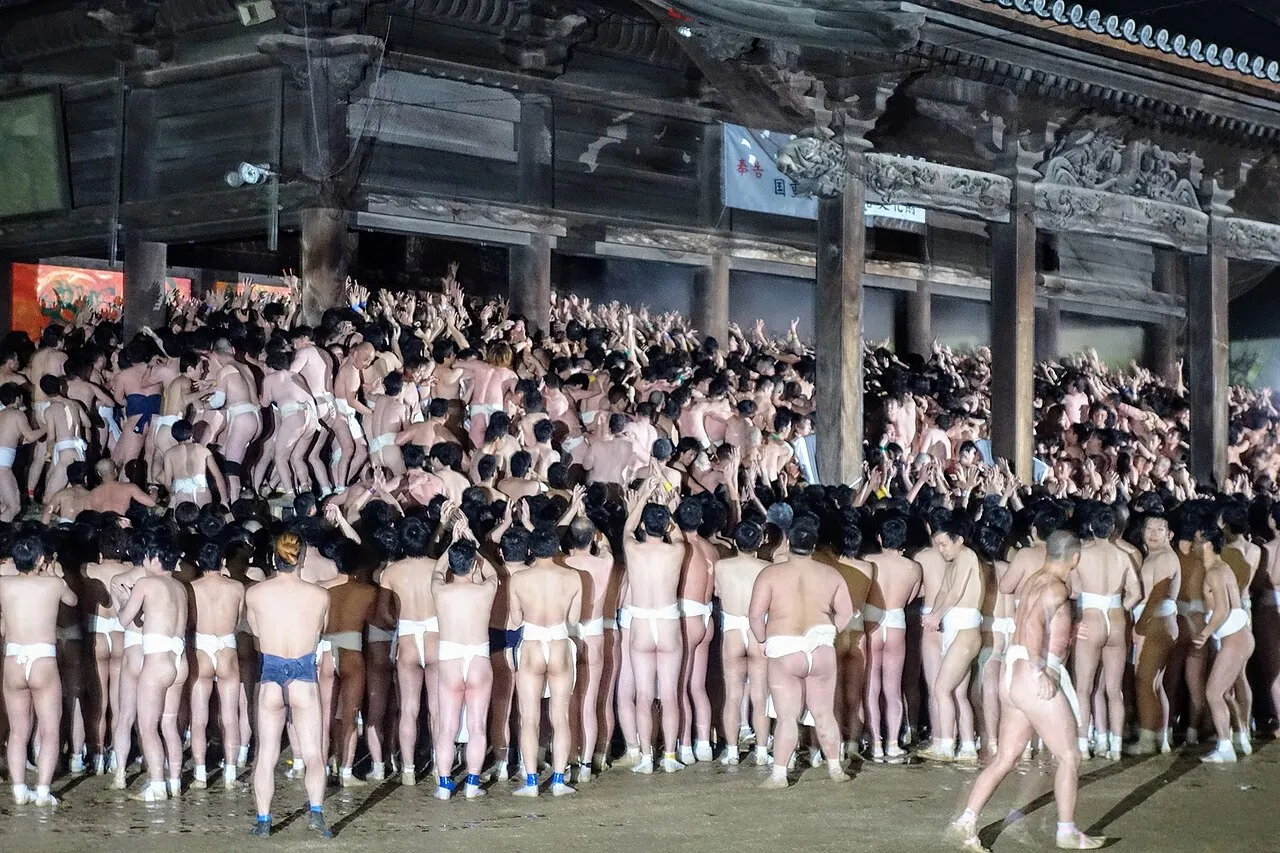
  • Saidaiji Eyō, Okayama. On the third Saturday of February, thousands of men in loincloths scramble in the dark for a pair of lucky sacred sticks. After a fatal accident in 2026, the organizers plan to hold the 2027 festival without the scramble, so check the festival page before you go.

Tips for February

  • Wear boots with a good grip in the snow country. Paths are icy, especially at night.
  • On Setsubun (February 3 in 2027), join a bean-throwing at a shrine or temple. Our Setsubun guide explains the customs and where to go.
  • Book northern hotels early for the snow festivals, which are very popular. Our winter festivals guide compares them.
  • Kitano Tenmangū’s plum festival on February 25 is an easy, gentle way to see early spring in Kyoto.
Also this month

More to see in February

Feb 2 or 3 · Shrines and temples across Japan

Setsubun 節分

The day before the start of spring in the old calendar. People throw roasted beans to drive out demons, shouting 'Demons out, luck in!'

Festival guides

Plan your visit

February 2–4 (around Setsubun) · Kyoto · ★

Setsubun at Yoshida Shrine

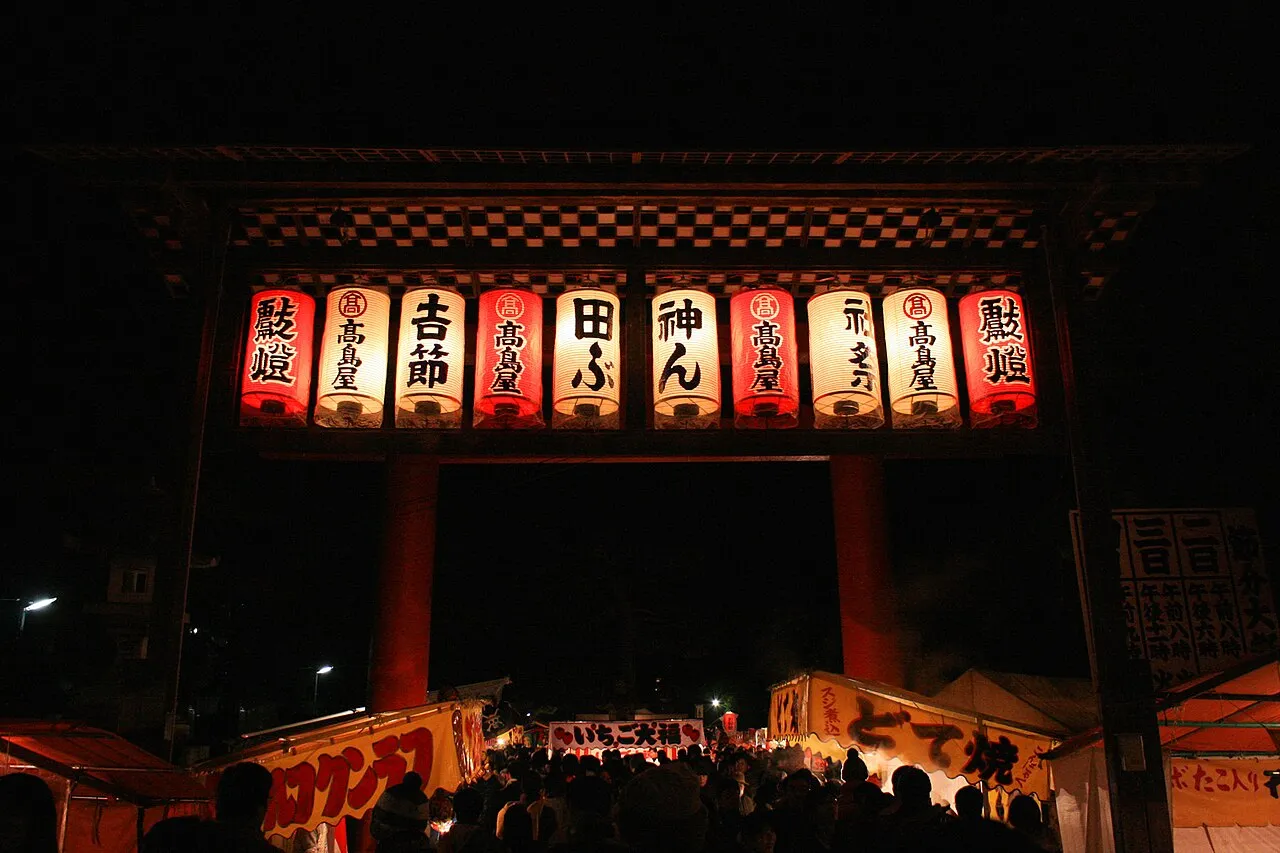
On the eve of spring by the old calendar, demons are chased out of Kyoto's Yoshida Shrine by a four-eyed exorcist, and old charms are burned in a towering bonfire.

Early February, about one week · Sapporo · ★★★

Sapporo Snow Festival

For about a week each February, giant snow sculptures and glittering ice carvings fill the center of Sapporo, the capital of Hokkaido.

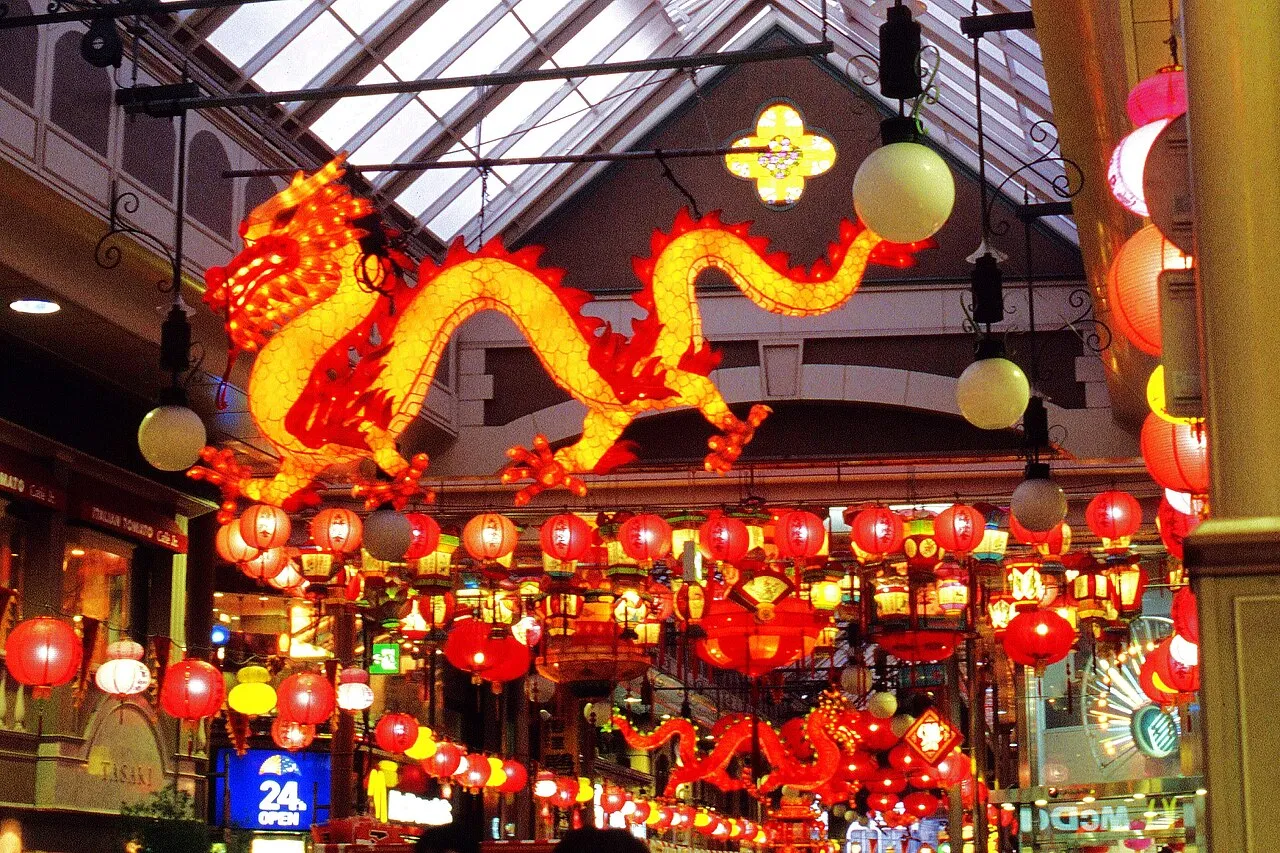
About two weeks around the Lunar New Year (late January to February) · Nagasaki · ★★★

Nagasaki Lantern Festival

For two weeks around the Lunar New Year, about 15,000 Chinese lanterns light up the streets, bridges and parks of Nagasaki.

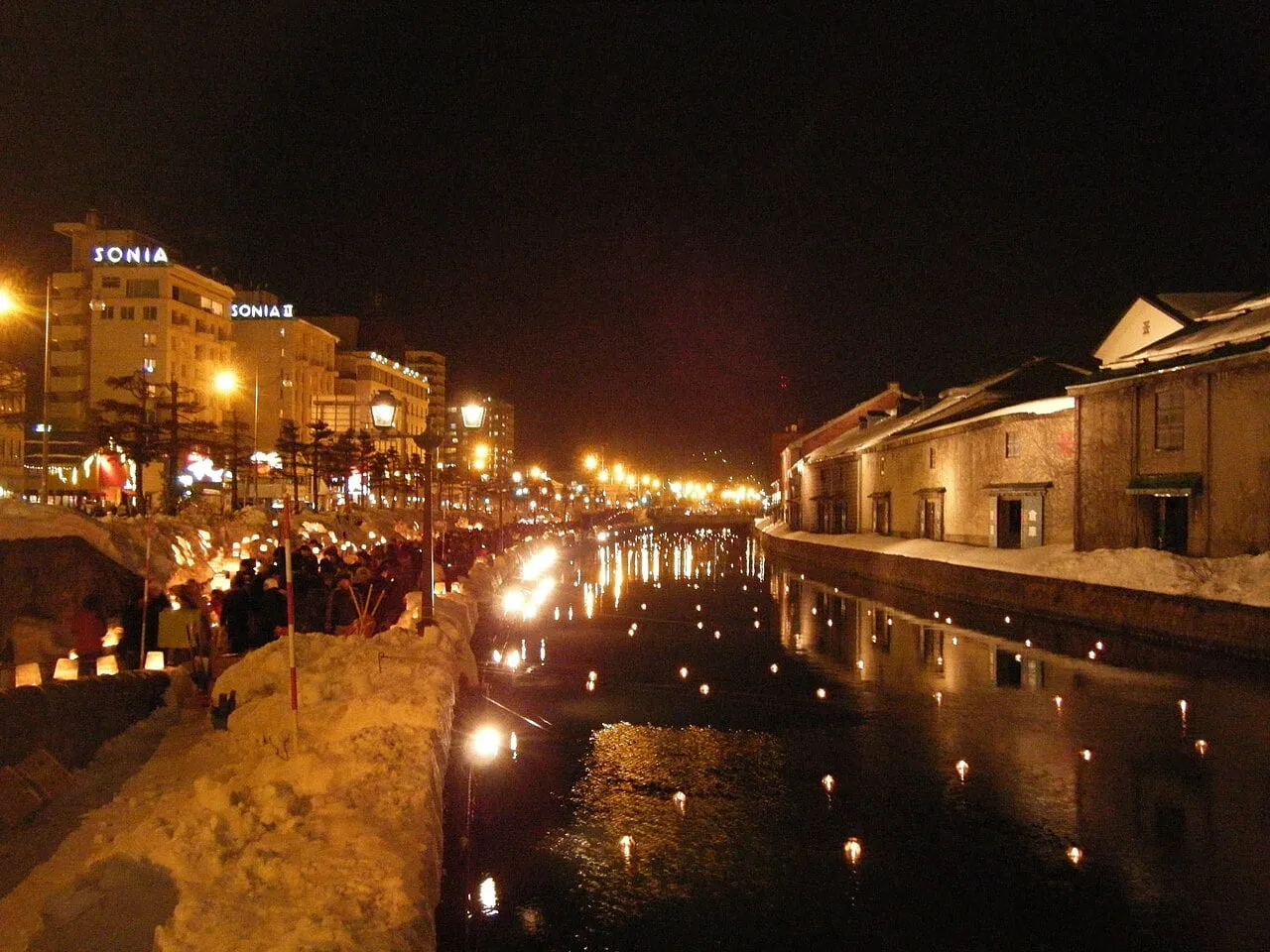
About a week in early to mid February · Otaru · ★★

Otaru Yuki Akari no Michi

For a week each February, candles in the snow light the old canal and an abandoned railway line in Otaru, a harbour town an hour from Sapporo.

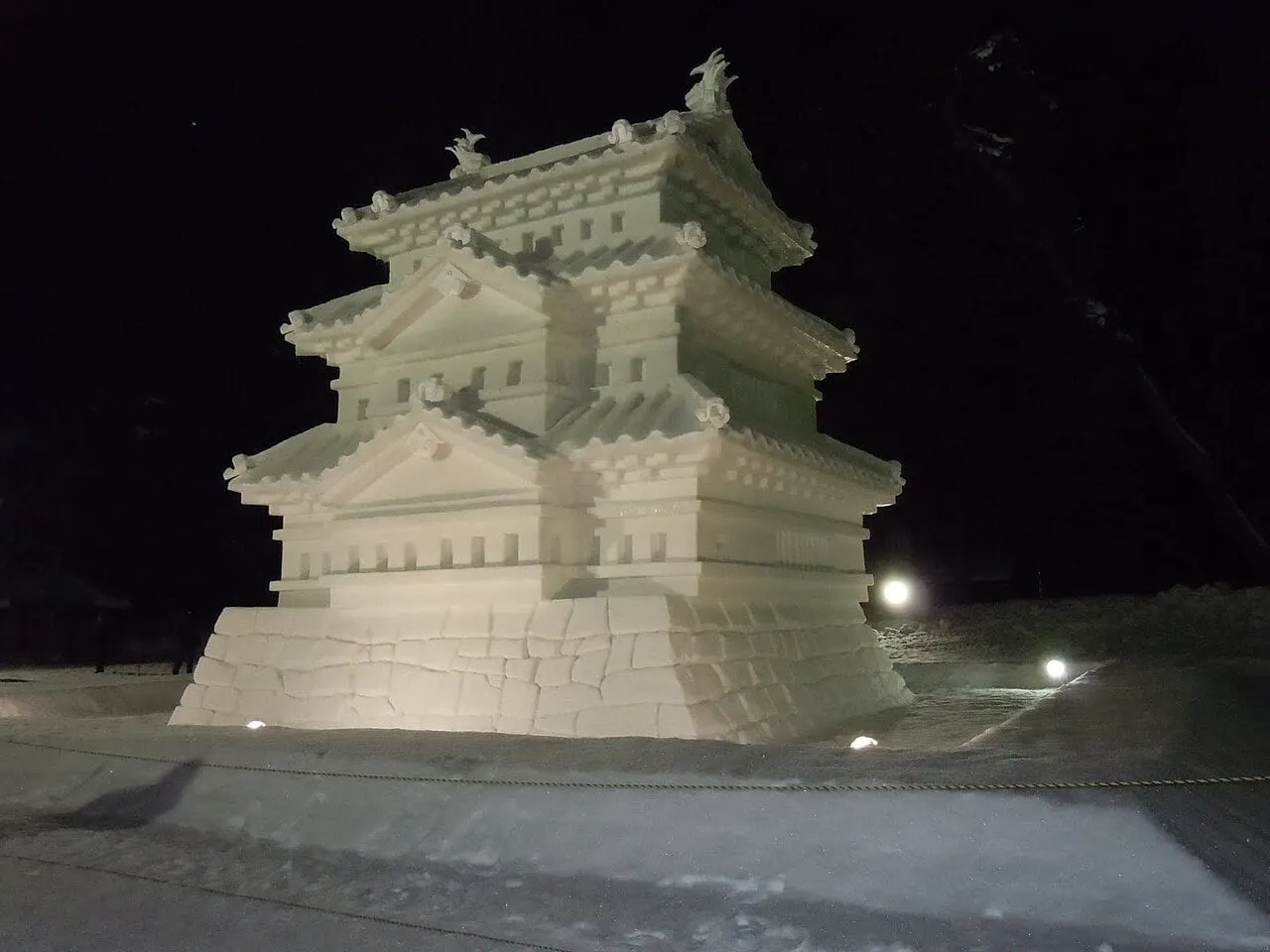
Five or six days in early to mid February · Hirosaki · ★★★

Hirosaki Castle Snow Lantern Festival

Snow lanterns, giant snow sculptures and hundreds of tiny candlelit snow huts fill the grounds of Hirosaki Castle for a few nights each February.

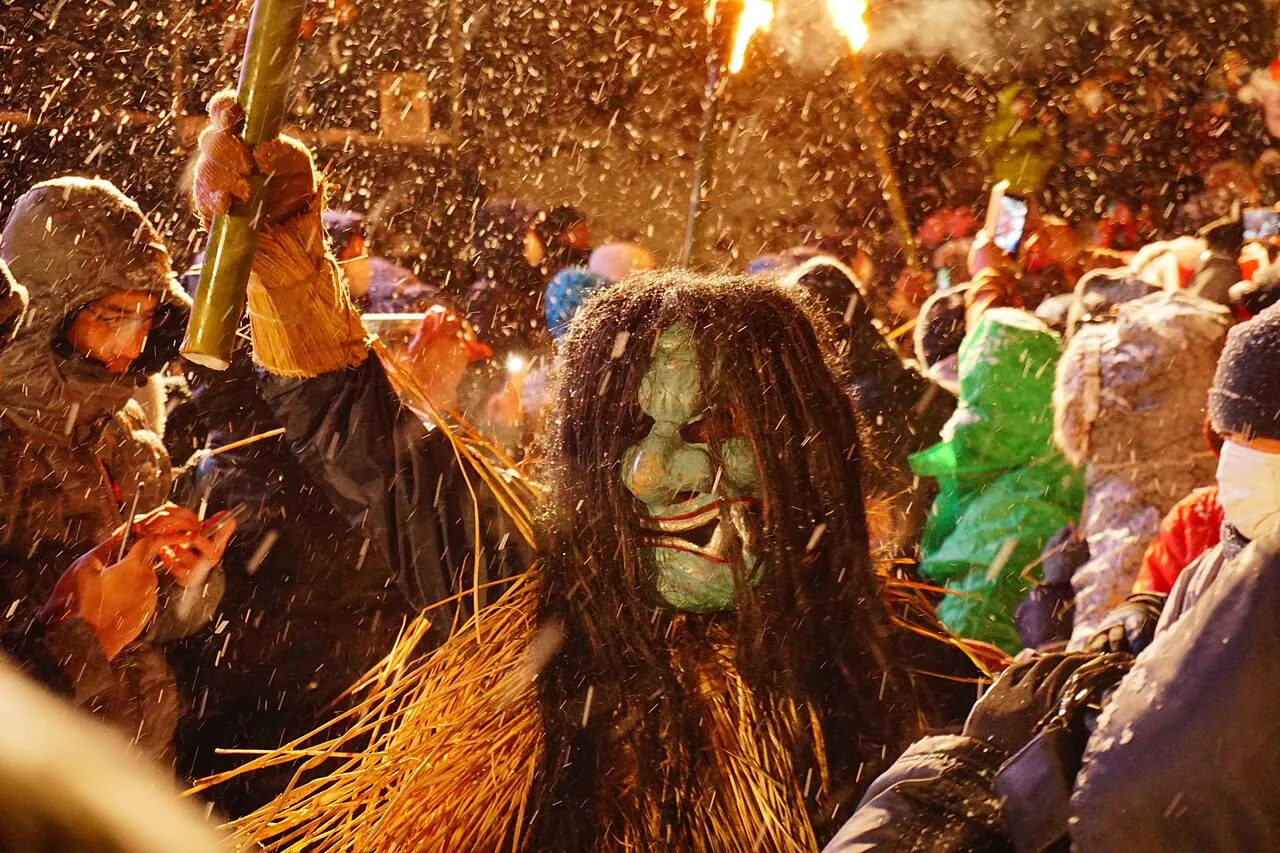
Second Friday to Sunday of February · Oga · ★★★

Namahage Sedo Festival

In the snowy mountains of Akita's Oga Peninsula, masked namahage come down from the forest by torchlight to a great bonfire at Shinzan Shrine.

Second Friday and Saturday of February · Yokote · ★★★

Yokote Kamakura Festival

In the snow country of Akita, children sit in candlelit snow huts and invite passers-by in for rice cakes and warm sweet amazake.

The 13th day of the first month of the old lunar calendar (February or early March) · Inazawa · ★

Konomiya Hadaka Matsuri

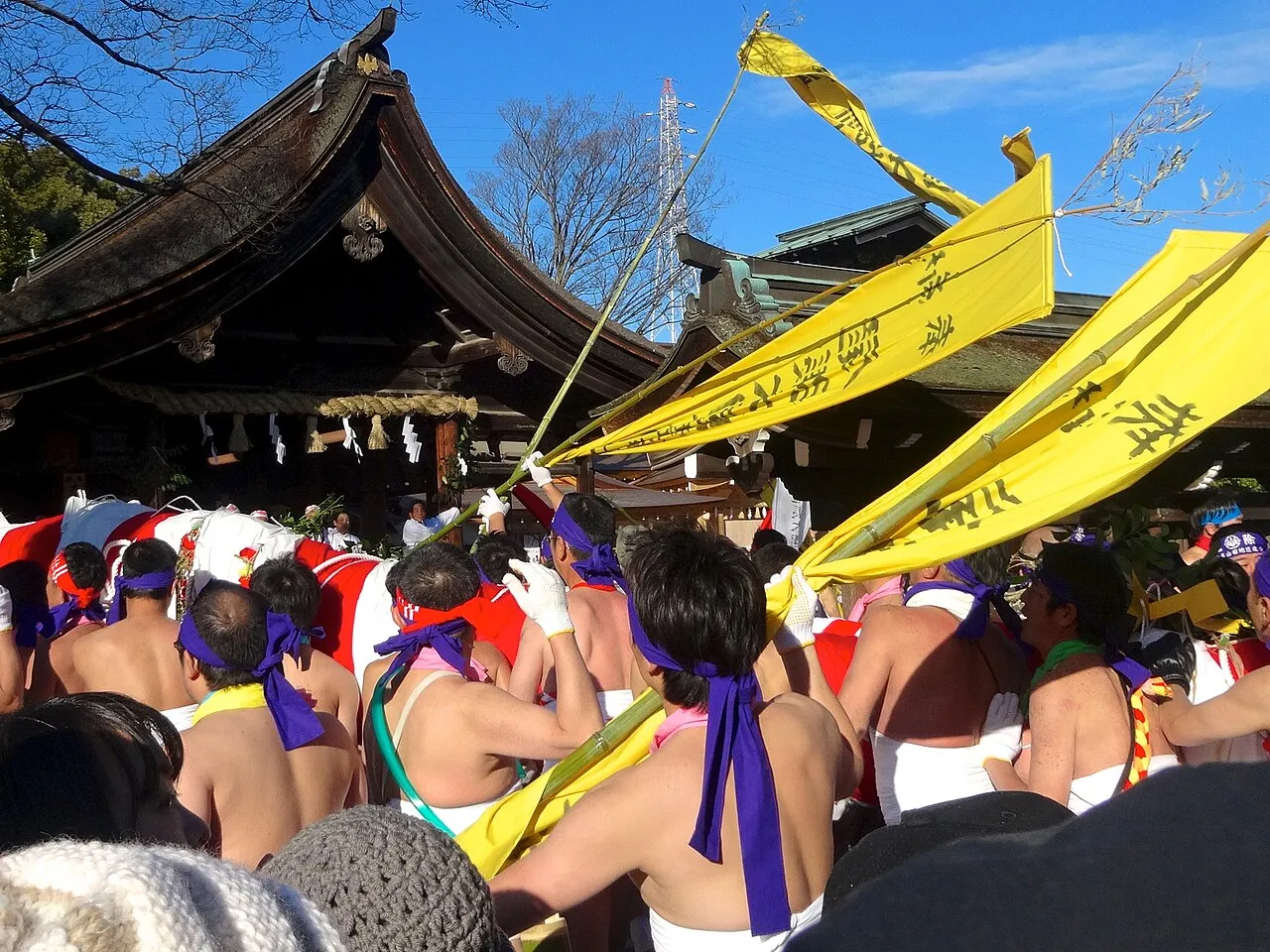
On a winter afternoon near Nagoya, thousands of men in loincloths pack a shrine to touch one man, the shin-otoko, and pass their bad luck on to him.

Late February to March 3 · Katsuura · ★★

Katsuura Big Hina Matsuri

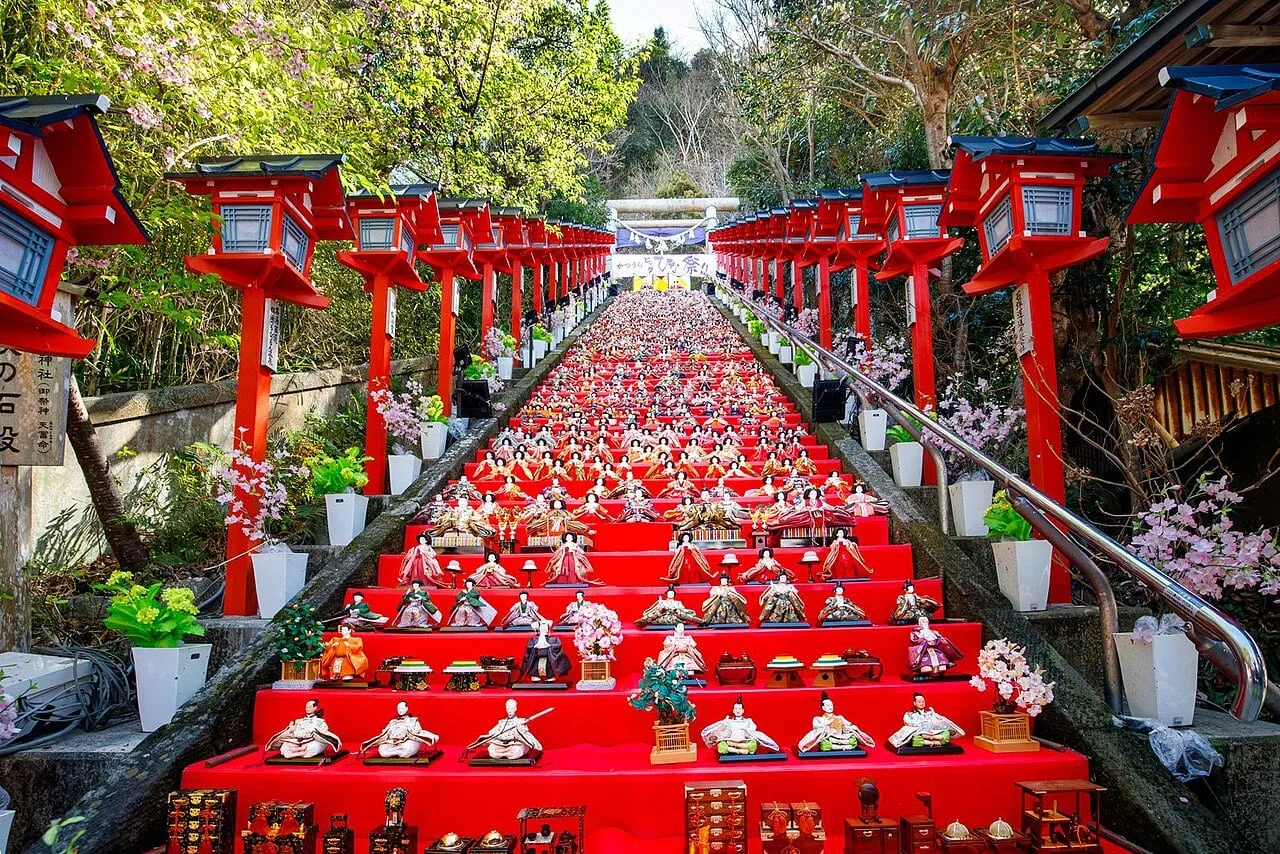
In the run-up to the Doll Festival on March 3, about 1,800 dolls fill the 60 stone steps of a shrine in Katsuura, a fishing town on the Pacific coast of Chiba.

Third Saturday of February · Okayama · ★★

Saidaiji Eyō (Naked Festival)

On a February night, about ten thousand men in loincloths pack a temple courtyard in Okayama and scramble in the dark for two sacred wooden sticks.

February 25 · Kyoto · ★

Baikasai Plum Festival

On the anniversary of Sugawara no Michizane's death, geiko and maiko serve tea under the plum blossoms at Kyoto's Kitano Tenmangū.

Plan a trip

Before you go

Some links on this page are affiliate links. We may earn a commission at no extra cost to you.

Words you’ll hear

Glossary

Mamemaki豆まき

Throwing roasted soybeans at Setsubun while shouting "Demons out! Luck in!" to drive bad luck from the home.

Oni鬼

A horned demon or ogre of Japanese folklore, often red or blue. At Setsubun, oni are driven out with roasted beans.

Kamakuraかまくら

A domed snow hut built in the snow country of northern Japan, with a small altar to the water god inside.

Fundoshi褌

A traditional loincloth of white cotton, worn by men at some festivals, especially naked festivals and float races.

Matsuri祭り

A Japanese festival, usually held for the kami of a local shrine. The word comes from the idea of serving and entertaining the gods.

Sources

References

  • Oga City Tourism Association: Namahage Sedo Festival.
  • Nagasaki Lantern Festival official information.
  • Each festival's own page on this site lists its official sources.

Last checked 2026-10-14. Dates can change; check with the organizers before you travel.