What a yukata is
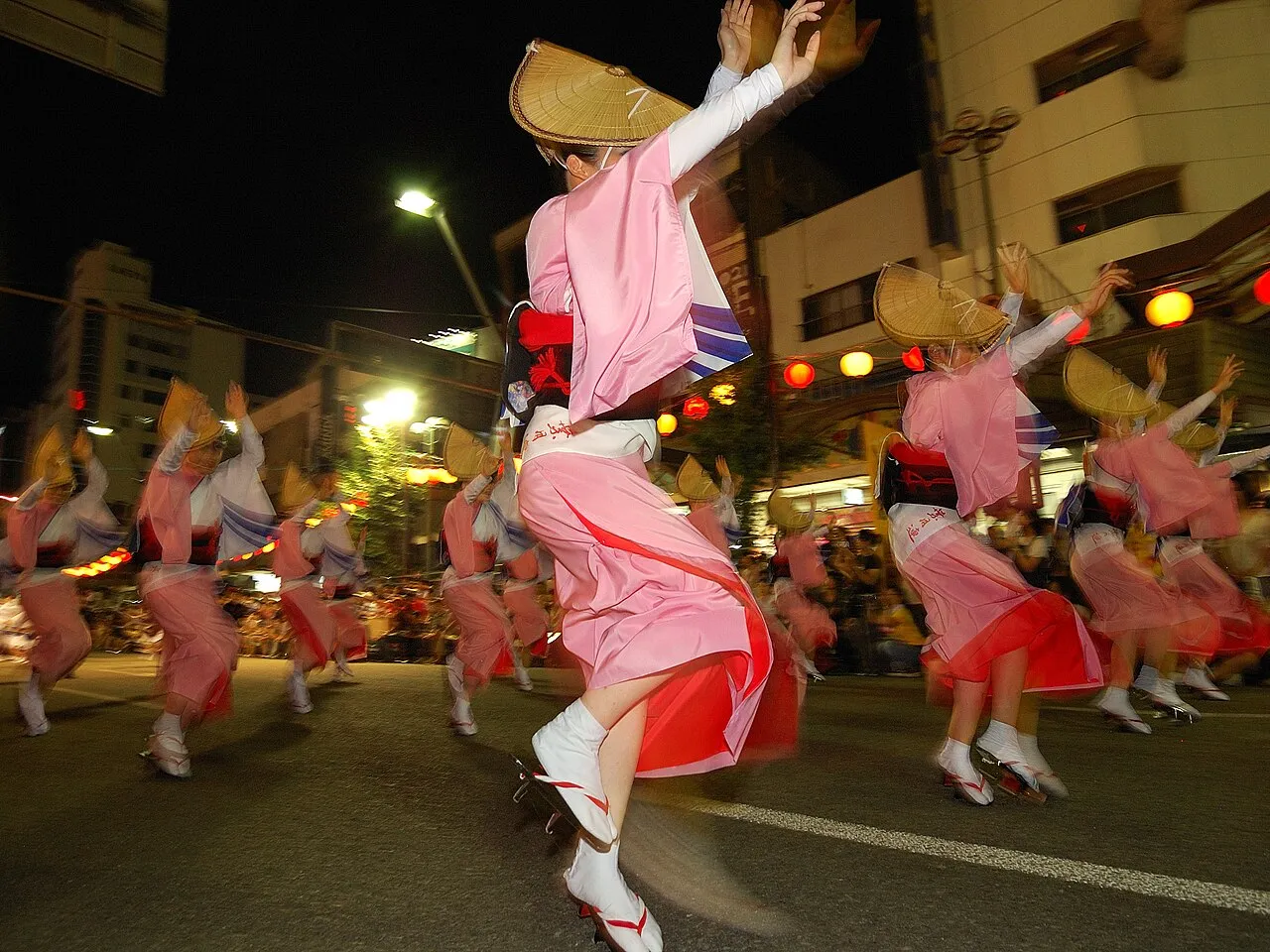
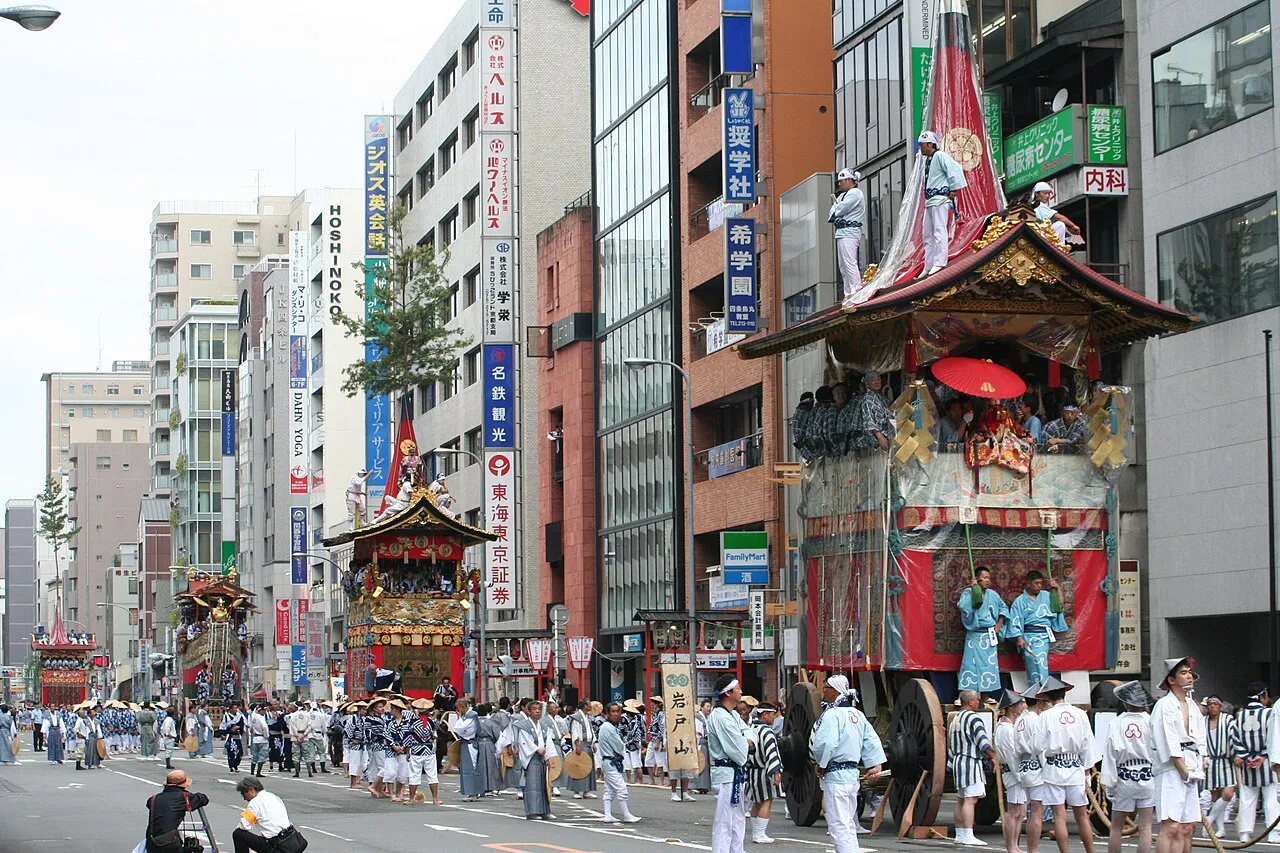
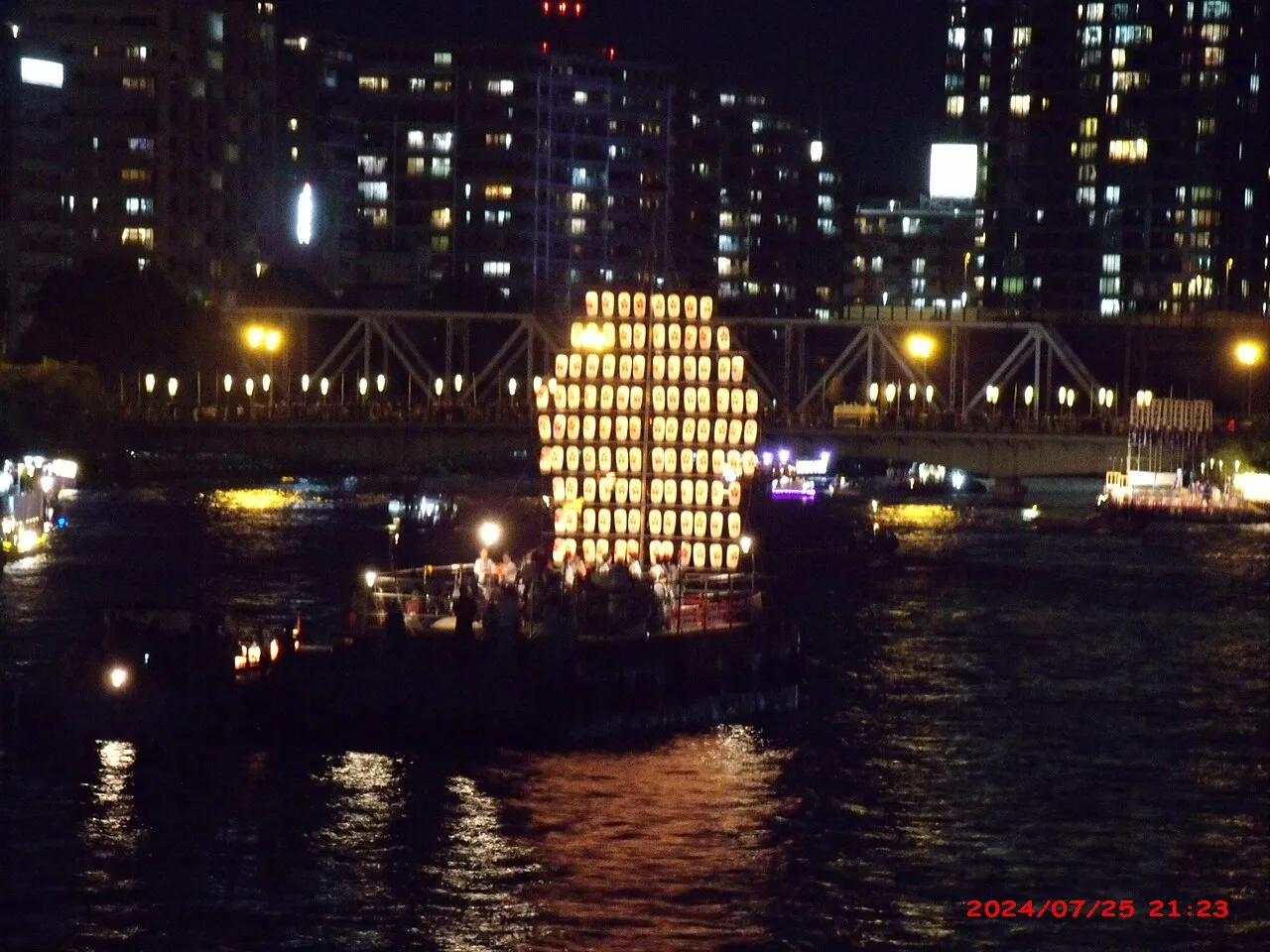
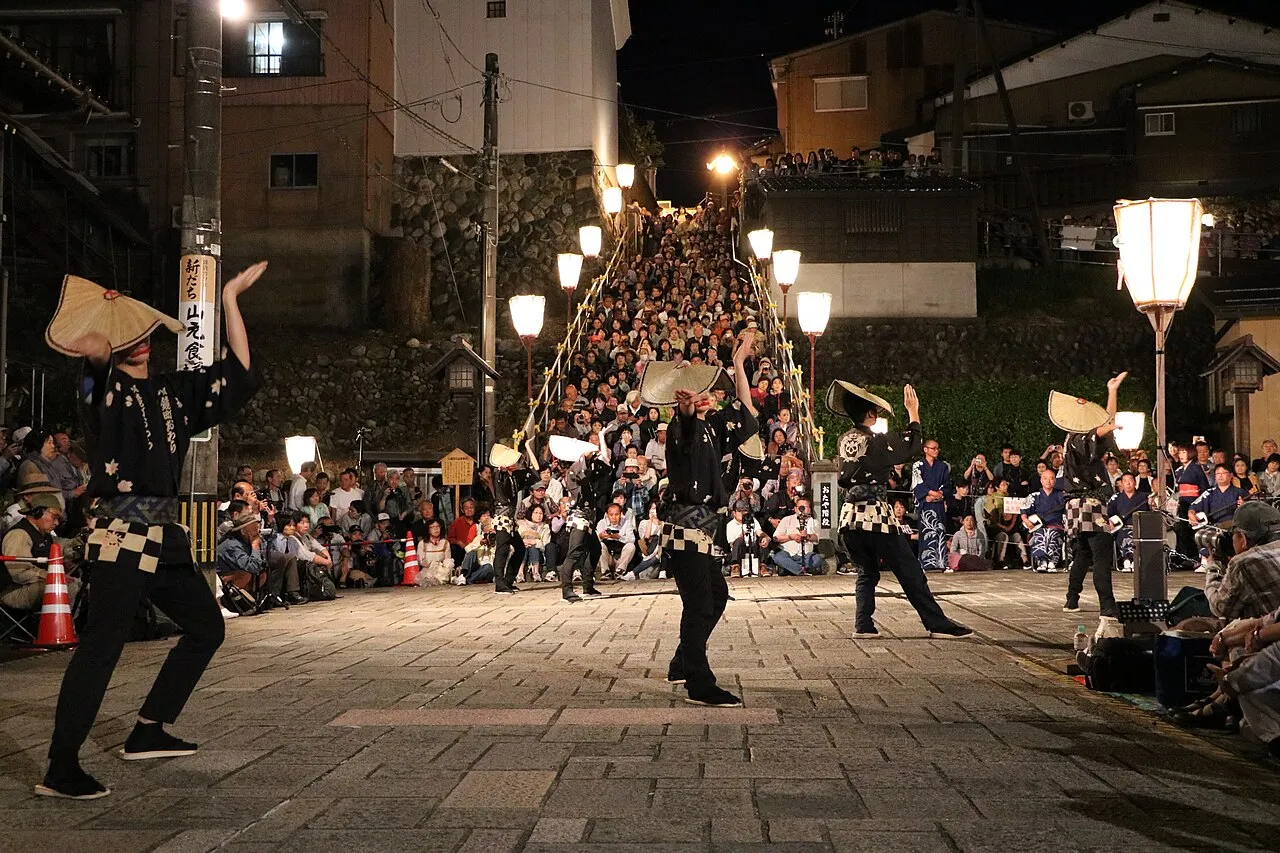
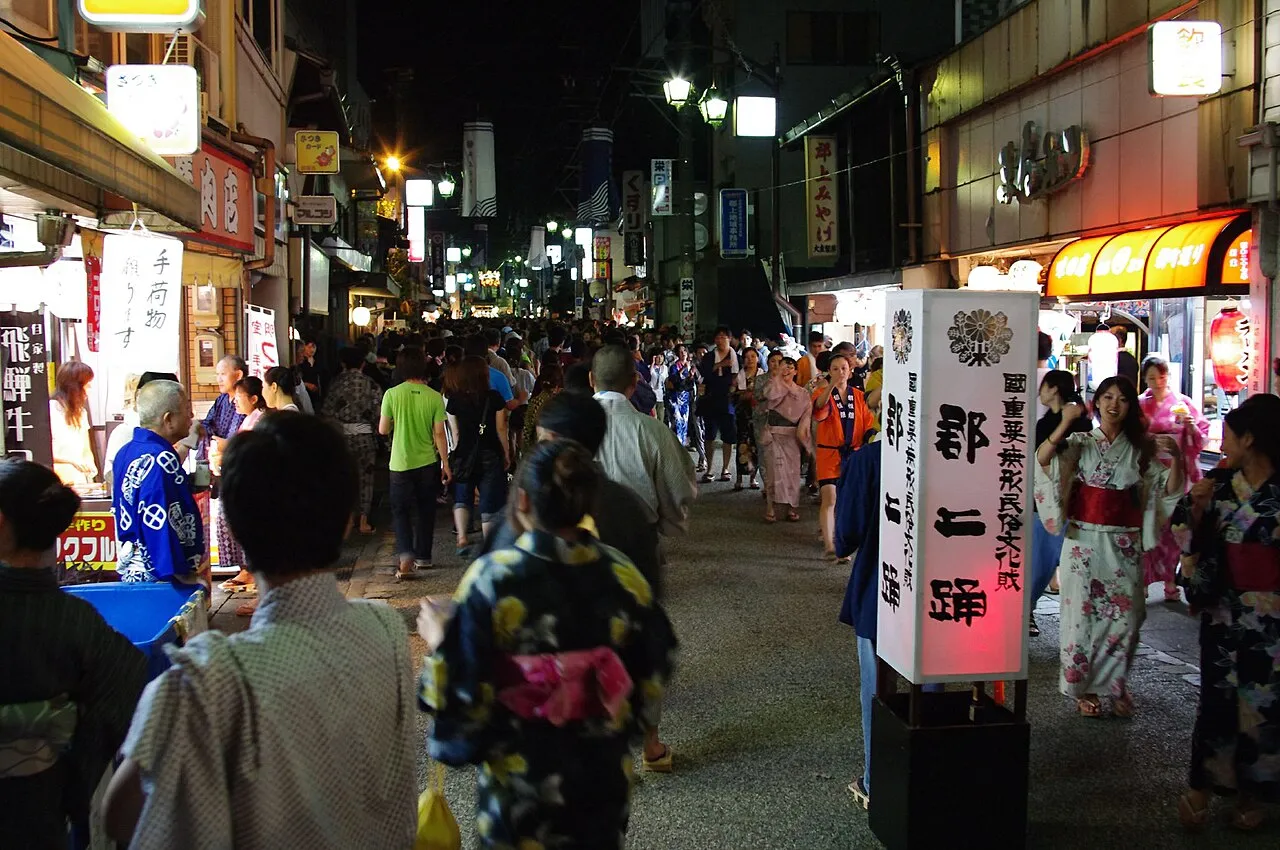
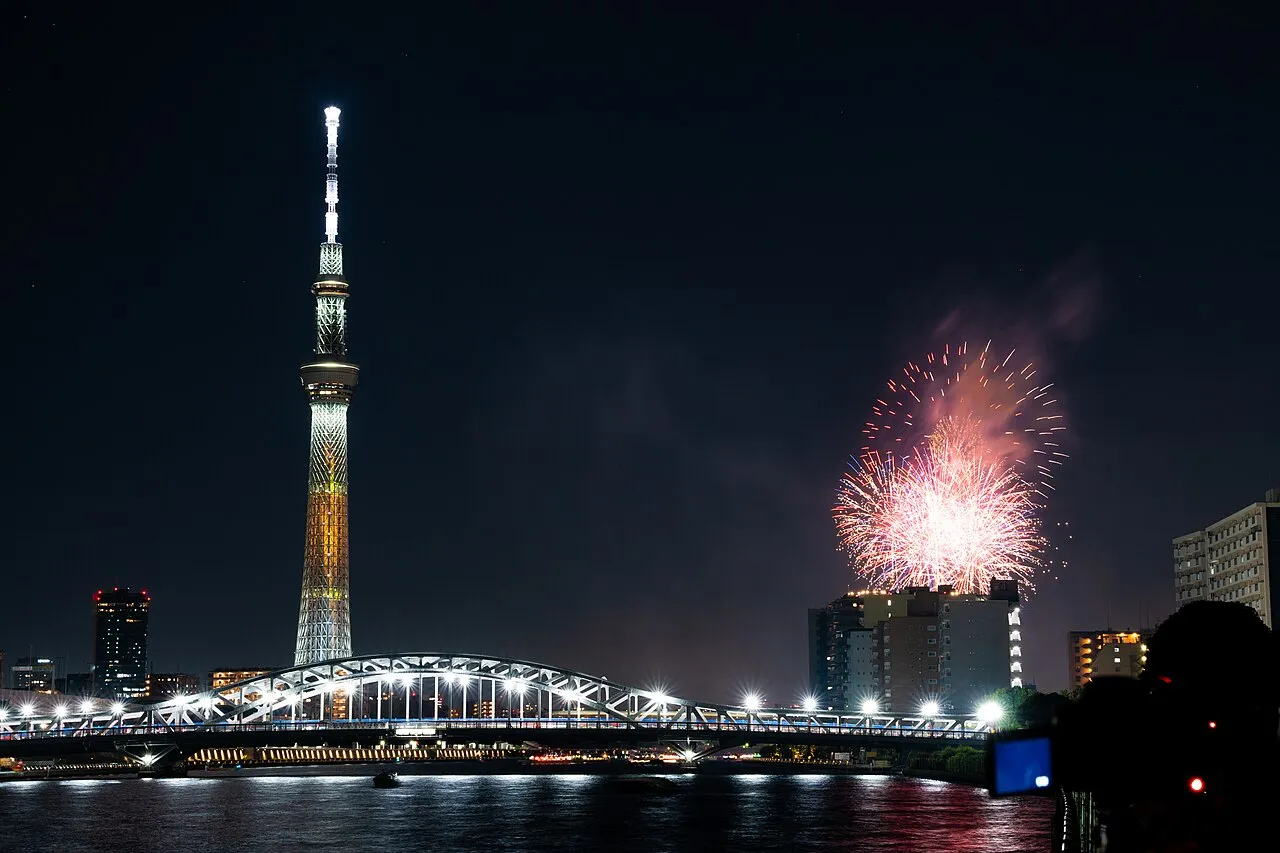
A yukata is a simple, unlined kimono made of cotton or a cotton mix. It began as a robe worn after bathing, and you will still find one in your room at a ryokan or hot-spring inn. Today it is also what many people, young and old, wear to summer festivals, Bon dances and fireworks displays. Walking through a festival in a yukata, eating at the stalls and watching the fireworks is a way of taking part, even if you never join a procession.
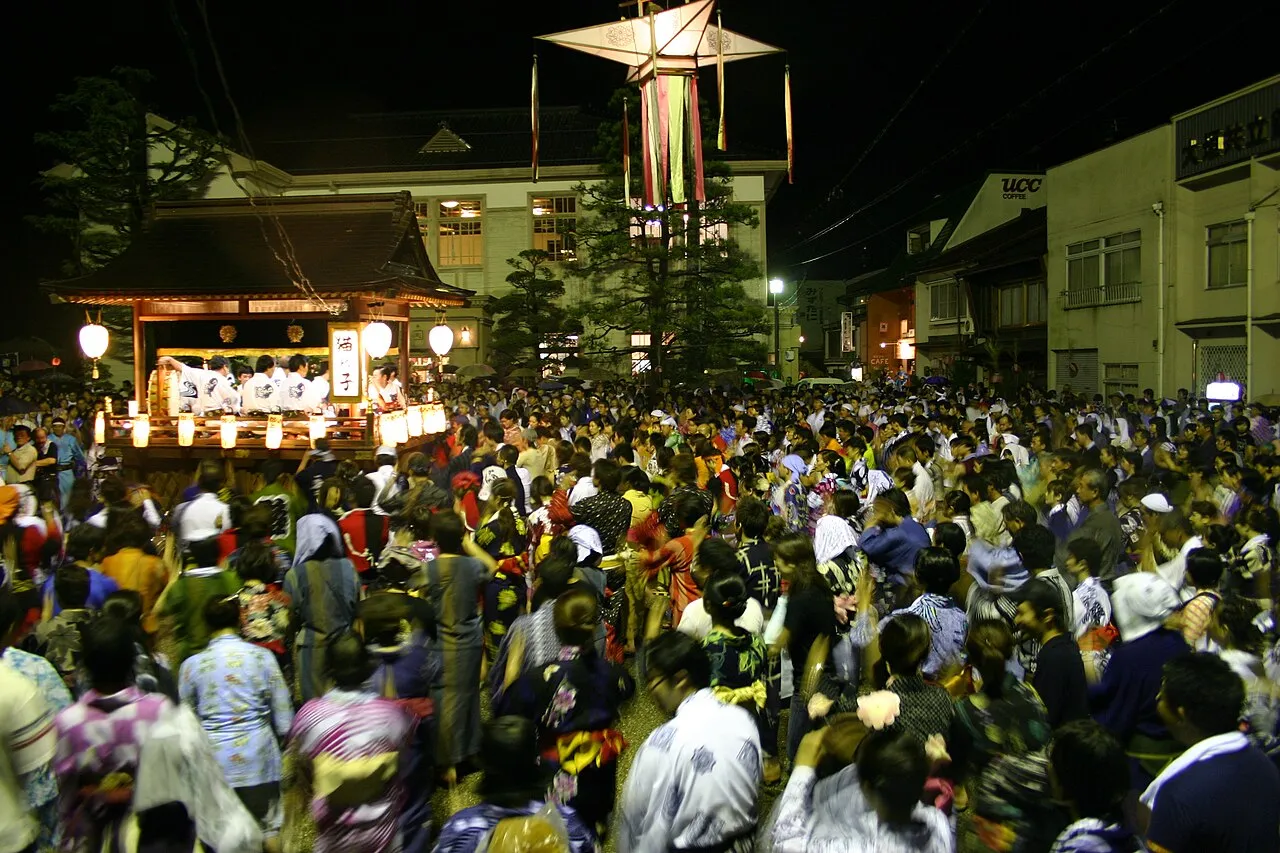
Yukata are for summer, roughly from June to September. For festivals in spring, autumn and winter, people wear everyday clothes; in the cold months a yukata would be both odd and freezing.
Renting one
Rental shops in tourist areas such as Kyoto, Asakusa in Tokyo, and many hot-spring and festival towns rent a yukata for the day. Most of them dress you, tie the obi sash, and can do your hair for an extra fee. You pick a pattern, change, and leave your own clothes and bags at the shop until evening.
- Book ahead for festival days. On the days of big summer festivals, rental shops fill up.
- Check the return time. Some shops close early in the evening; others let you return the next day. If you are staying for night fireworks, choose a shop that fits.
- Some festival towns rent locally. Shops near the venue often rent yukata during the festival itself.
Wearing it the right way round
The one rule everyone should know: wrap the left side over the right. Put the right panel against your body first, then cross the left panel over it, so that from the front the collar forms a “y”. Right over left is the way the dead are dressed for burial, so it matters. Rental staff will get this right for you.
Women’s obi are tied in a decorative bow at the back; men’s are narrower and tied low on the hips. Tying the obi is the hard part, and the part rental shops are best at.
What to wear with it
- Footwear. The traditional choice is geta, wooden sandals with a cloth thong. They take some getting used to, and long festival walks can rub. Bring plasters, or wear zōri or comfortable sandals.
- Bag. A small drawstring bag, a kinchaku, holds a phone, cash and a handkerchief.
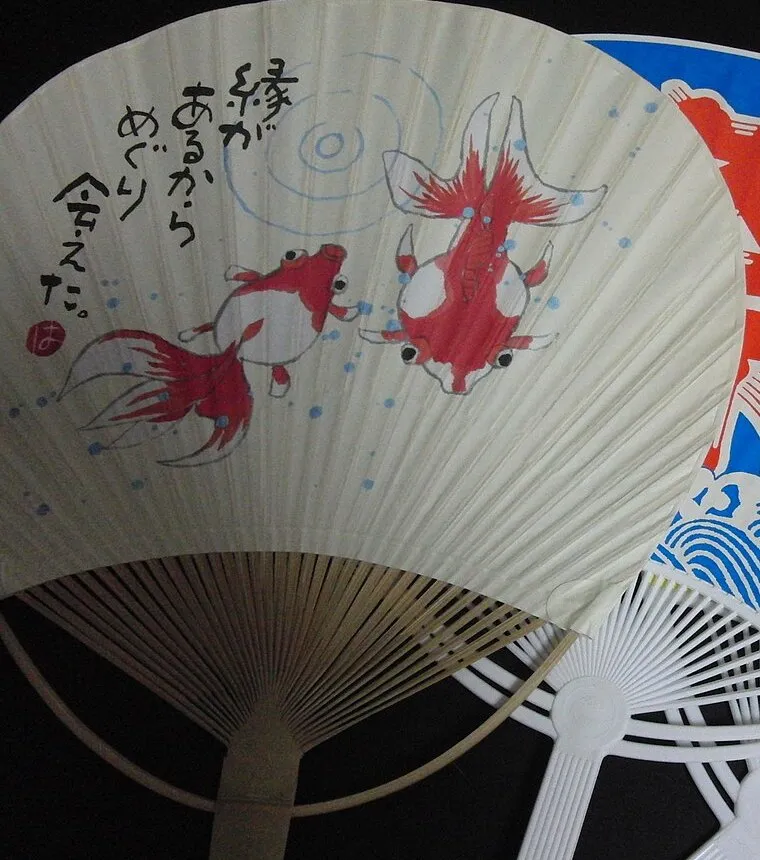
- Fan. A paper fan, uchiwa, tucked into the back of the obi. Many festivals and shops hand them out free.
- Underneath. Light underwear or a thin slip; yukata cotton can be slightly see-through in bright light.
Wearing a hotel yukata
If your hotel or inn provides a yukata, check where you may wear it. At hot-spring inns it is normal to walk to the bath, dinner and around the town in it. At Western-style hotels, the yukata is usually meant only for your room and the way to the bath. When in doubt, watch what other guests do or ask at reception.