What a matsuri is
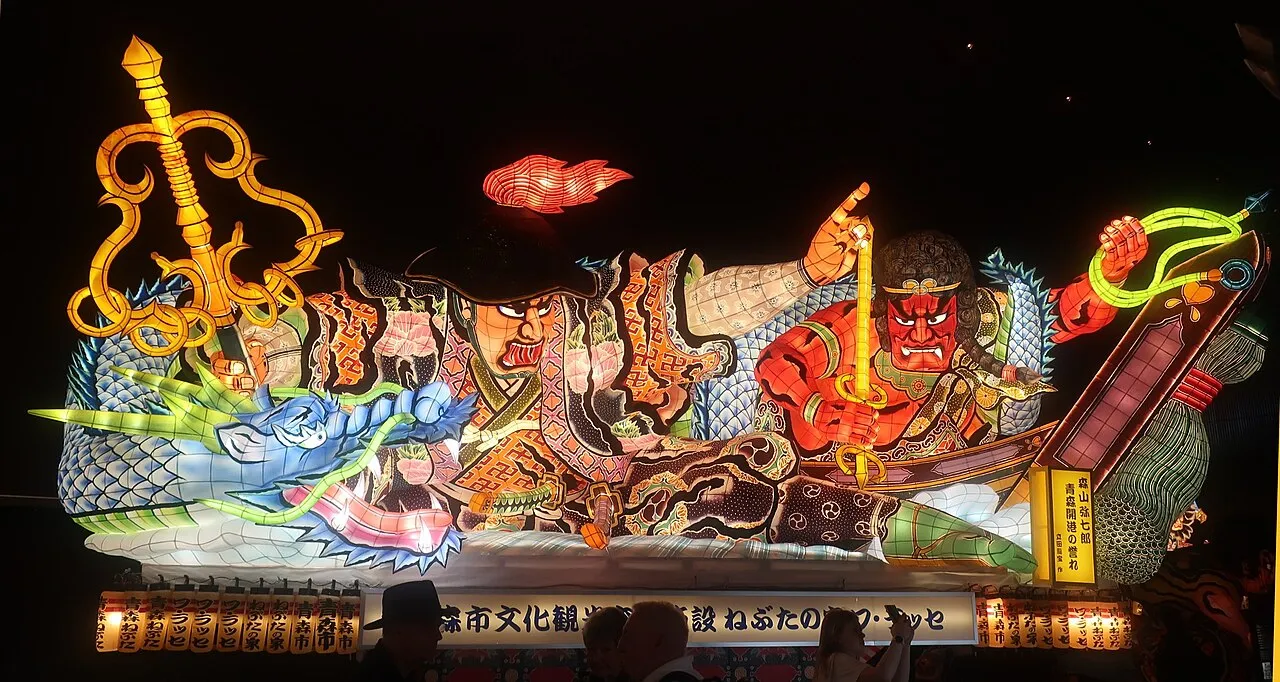
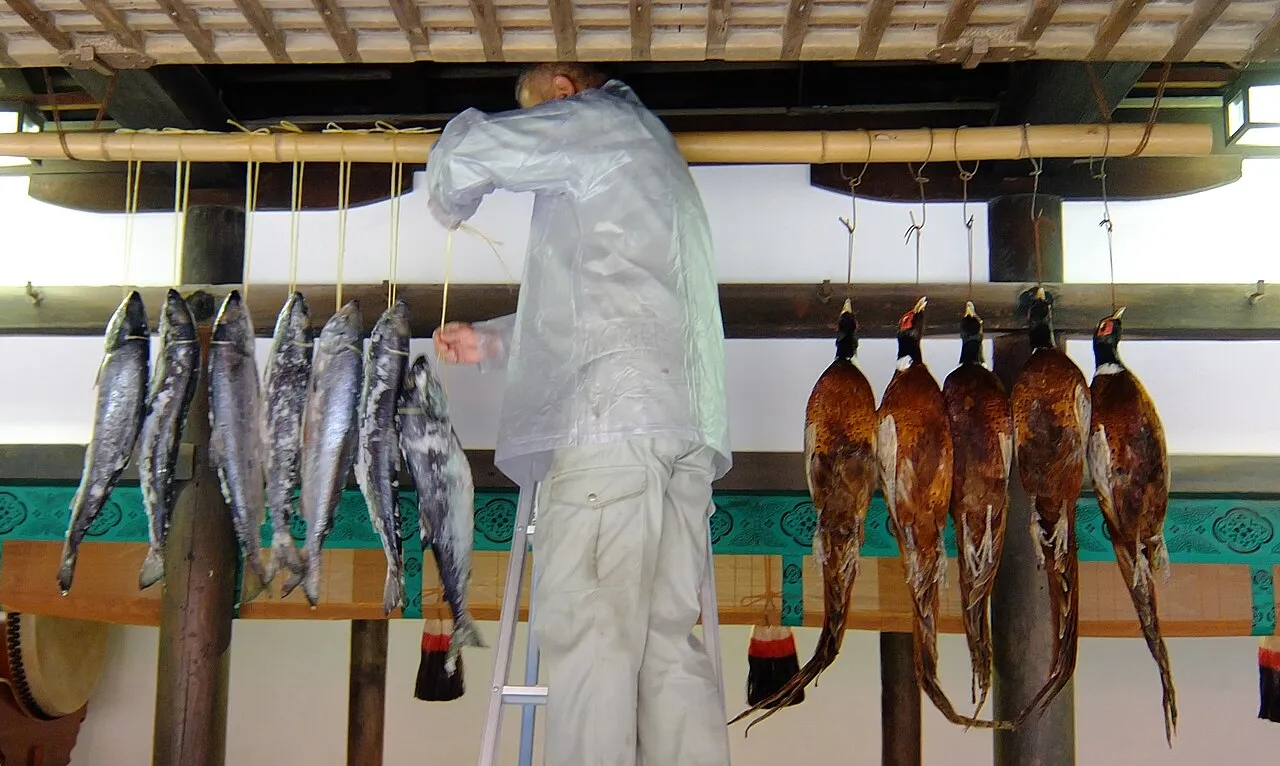
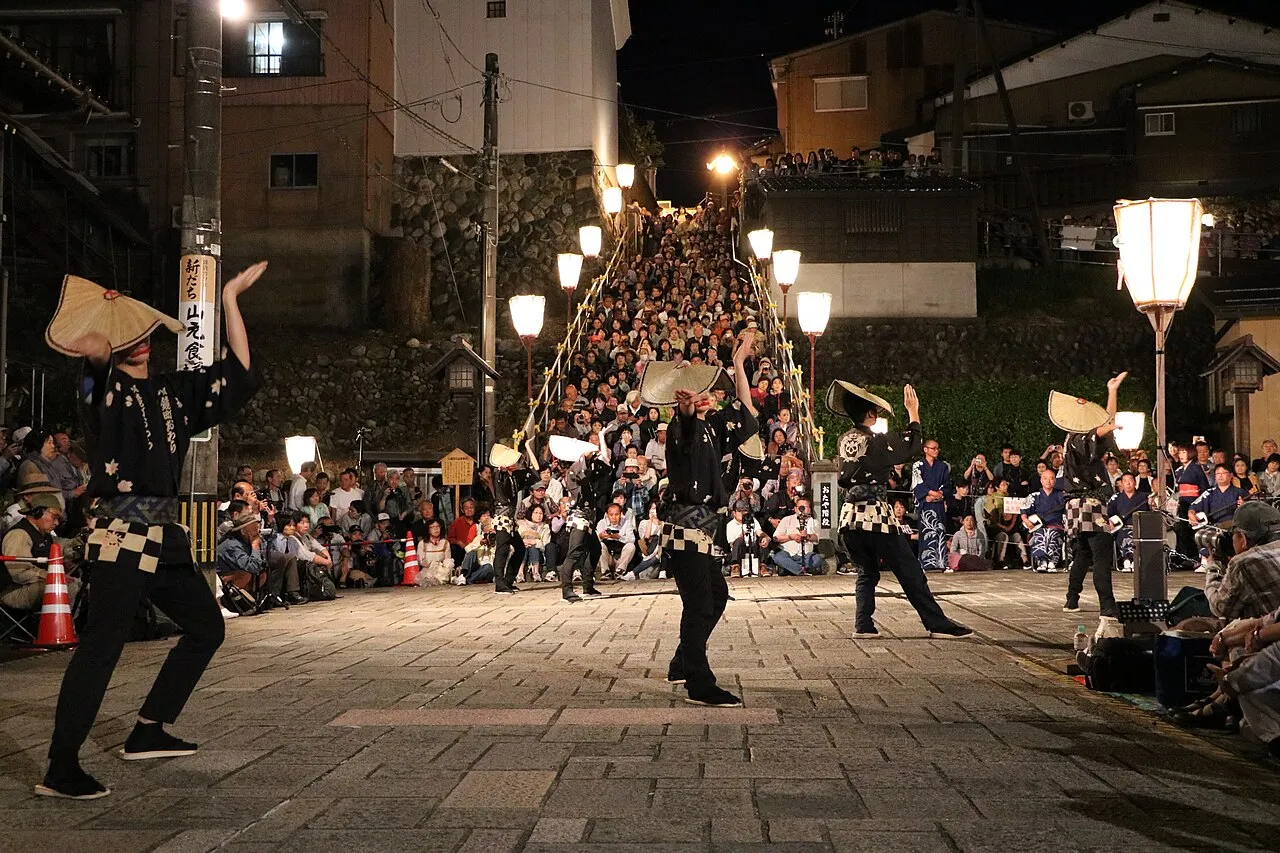
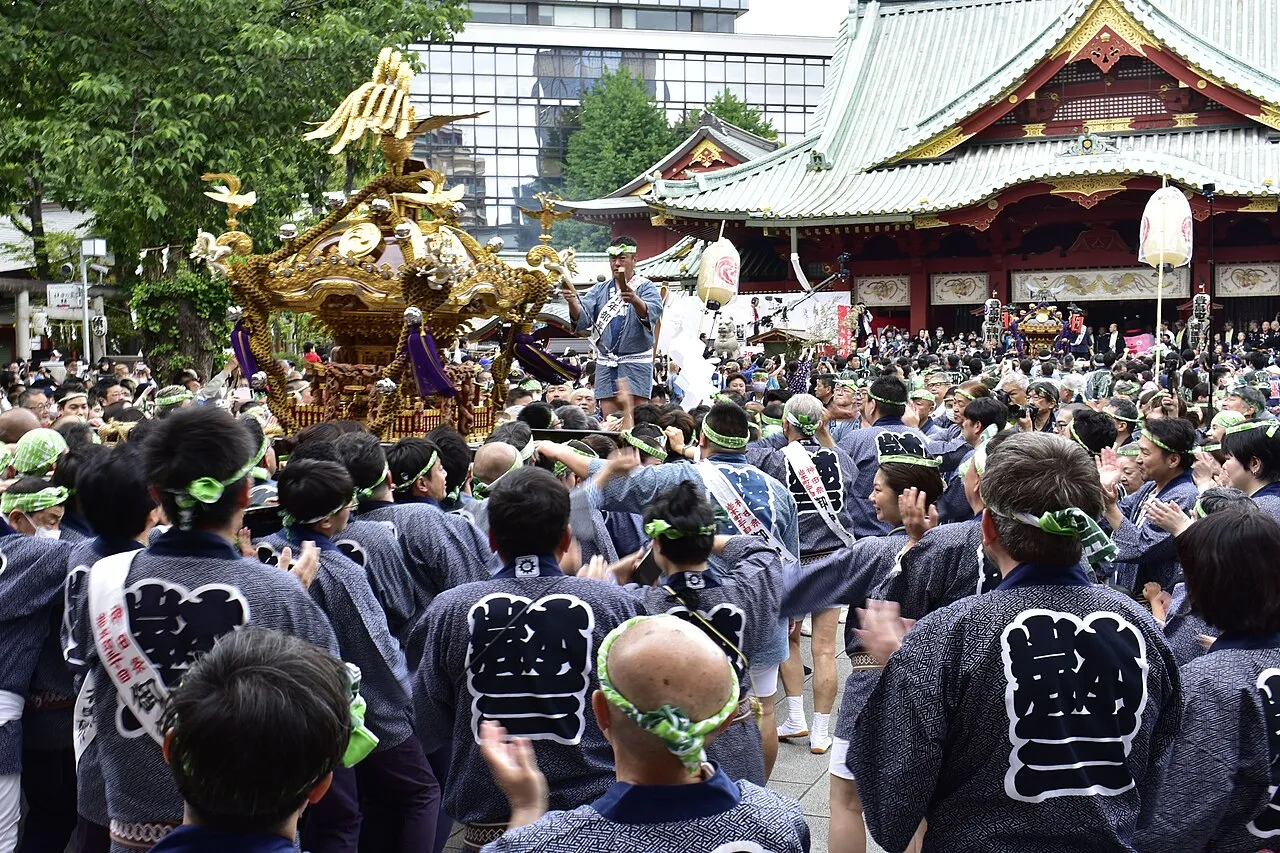
A matsuri is a festival for a kami, the god of a shrine. On the festival day, the kami is usually carried out of the shrine in a portable shrine, a mikoshi, and taken around the neighbourhood it protects, sometimes to a temporary resting place, the otabisho. Floats (dashi, yatai or yama), music, dancing and food stalls grew up around that procession.
So a matsuri is two things at once: a religious rite run by a shrine and its neighbourhood, and a street party everyone is welcome to watch. Keeping both in mind is the key to good manners.
Choose the right day
Many festivals last several days, and the best one to see is not always the main day. Some are at their liveliest on the eve, the yoiyama, when the floats are lit up and the streets fill with stalls. Others save the great procession for one afternoon, or for the middle of the night. Every festival page on this site answers “which day should I go?”
- Check the year’s dates. Some festivals follow fixed dates, others a weekday rule, and a few change from year to year. Rain can cancel or postpone processions.
- Look for a notice. If a festival is cancelled or changed in a given year, the festival page shows a dated notice at the top.
- Book early. For the big festivals, hotels and limited express trains sell out months ahead.
What to bring
- Cash, in coins and 1,000-yen notes. Most food stalls and many shrine charm counters take cash only.
- A small bag for rubbish. Bins are scarce, especially in crowds. Japanese visitors carry their rubbish home.
- Water and a towel in summer, warm layers in winter. Night festivals mean hours of standing outside.
- Comfortable shoes. You will walk and stand far more than you expect.
- A charged phone with mobile data, for maps and last-minute schedule changes.
Manners at the festival
- Give way to the mikoshi and floats. They are heavy, crowded and fast, and the carriers cannot stop. Never walk across the path of a procession or stand in its way. Do not touch a mikoshi or float unless you are invited.
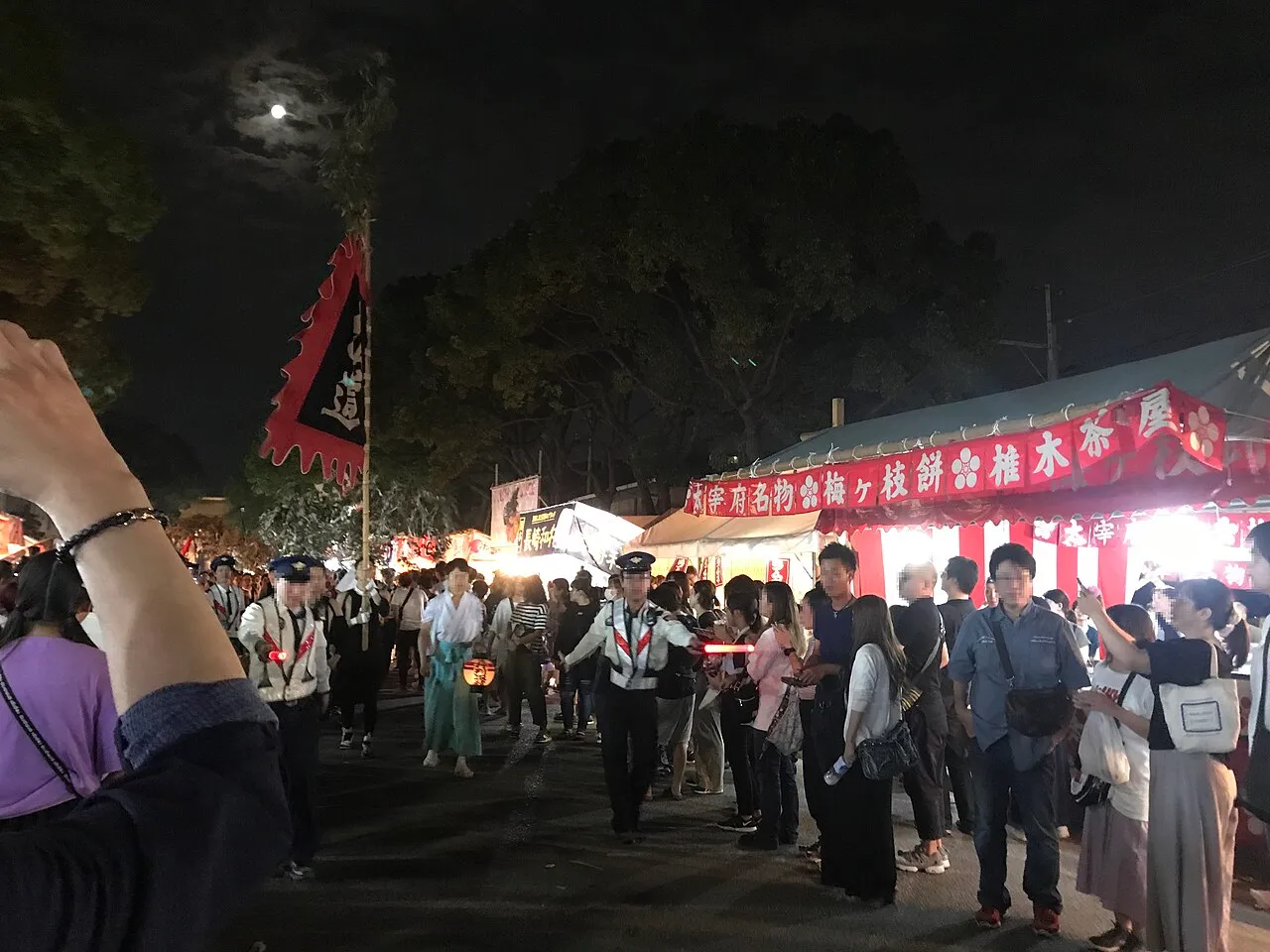
- Follow the staff and police. Big festivals use one-way routes and closed streets. If a steward tells you to move, move.
- Stay out of paid seats, private houses and roped-off areas.
- Step aside to eat. Buy from a stall, then move out of the main flow of people to eat, rather than eating as you push through the crowd.
- Take your rubbish with you. Use the festival’s sorted bins where there are any; otherwise carry it until you find one.
- Photos. Take pictures from where you stand; don’t block others or climb on walls. Do not photograph prayers in front of the kami, and think twice before posting close-up photos of people online. Some night rites ban lights and flash completely: the midnight procession of the Kasuga On-matsuri, for example, is held in darkness.
- Visiting the shrine. If you go into the shrine itself, bow at the torii gate, rinse your hands at the temizuya basin, and pray quietly. Our hatsumōde guide explains the steps. To buy a charm or ask for a goshuin seal, see our guide to goshuin, omamori and omikuji.
Crowds and safety
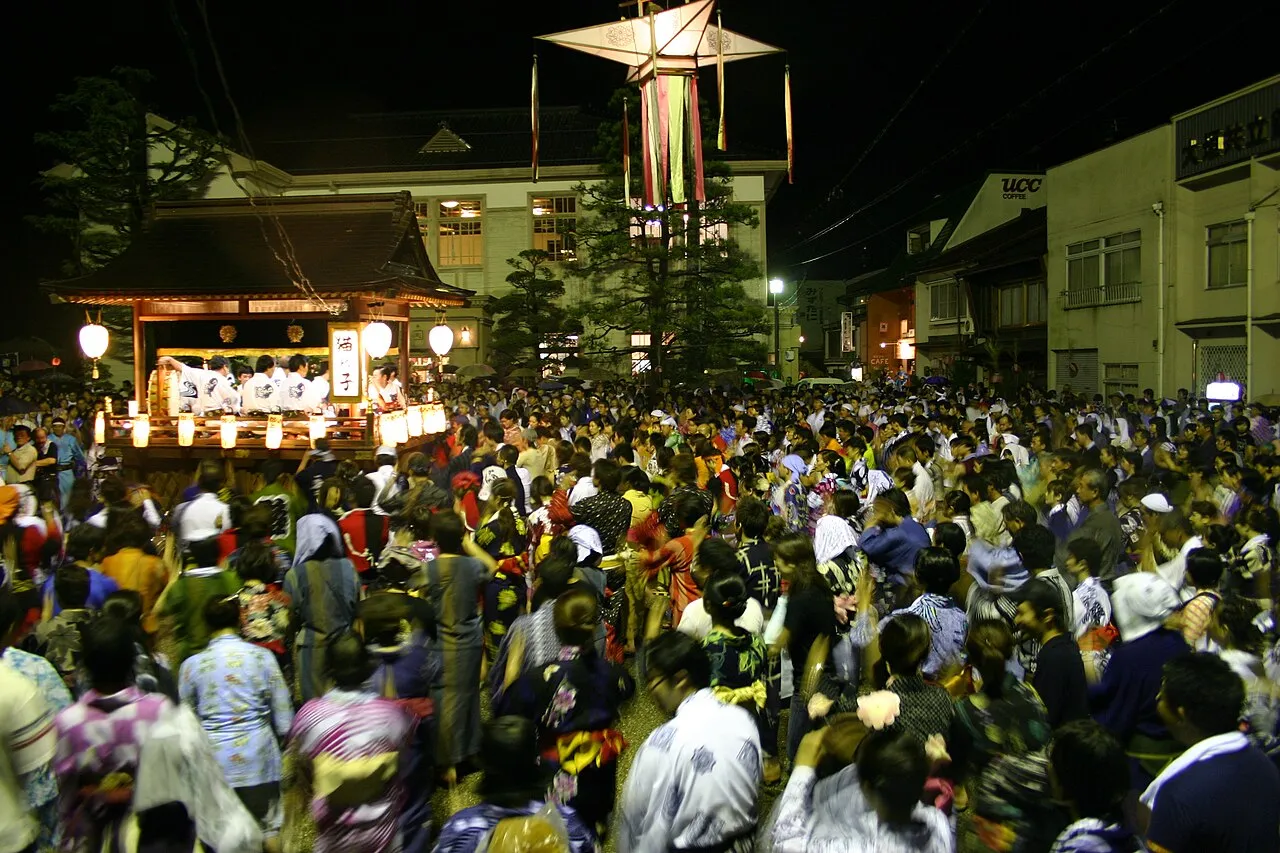
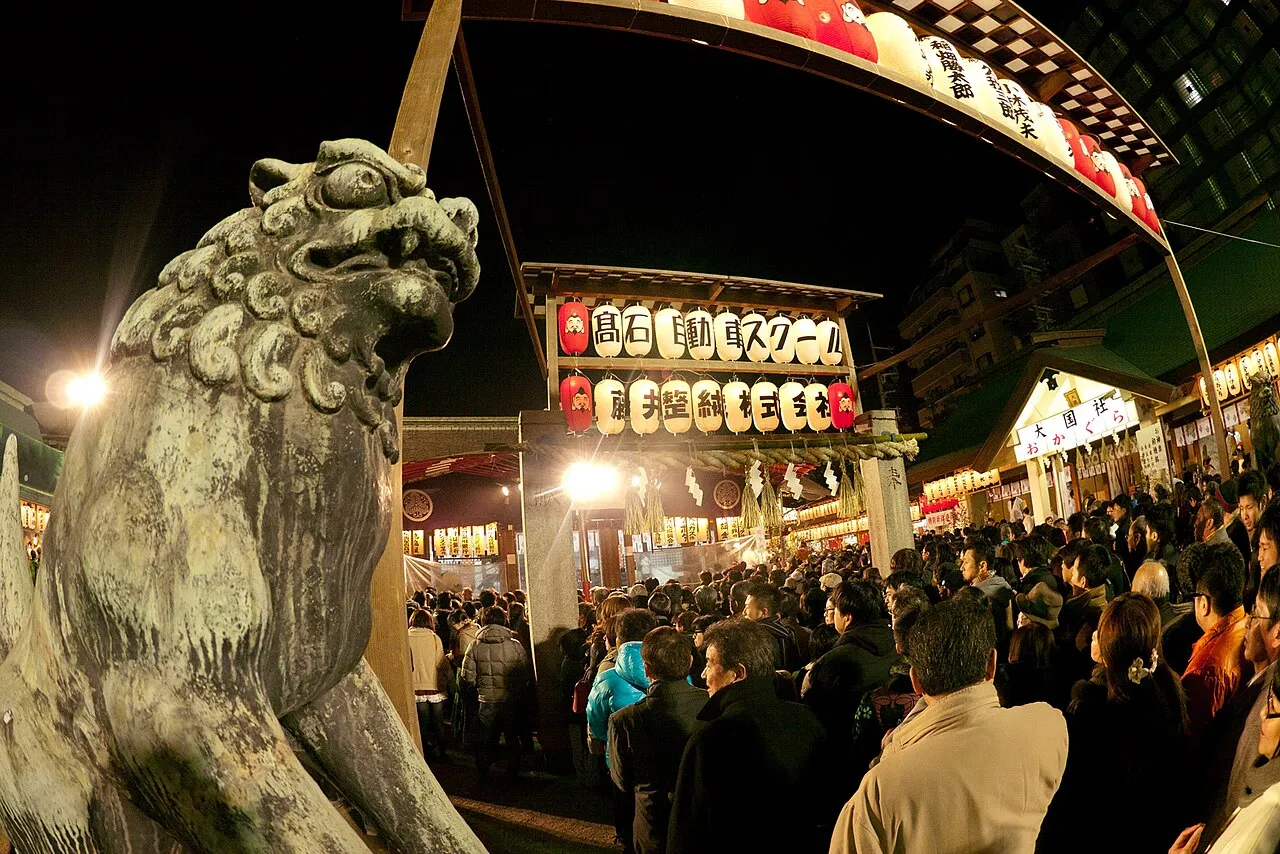
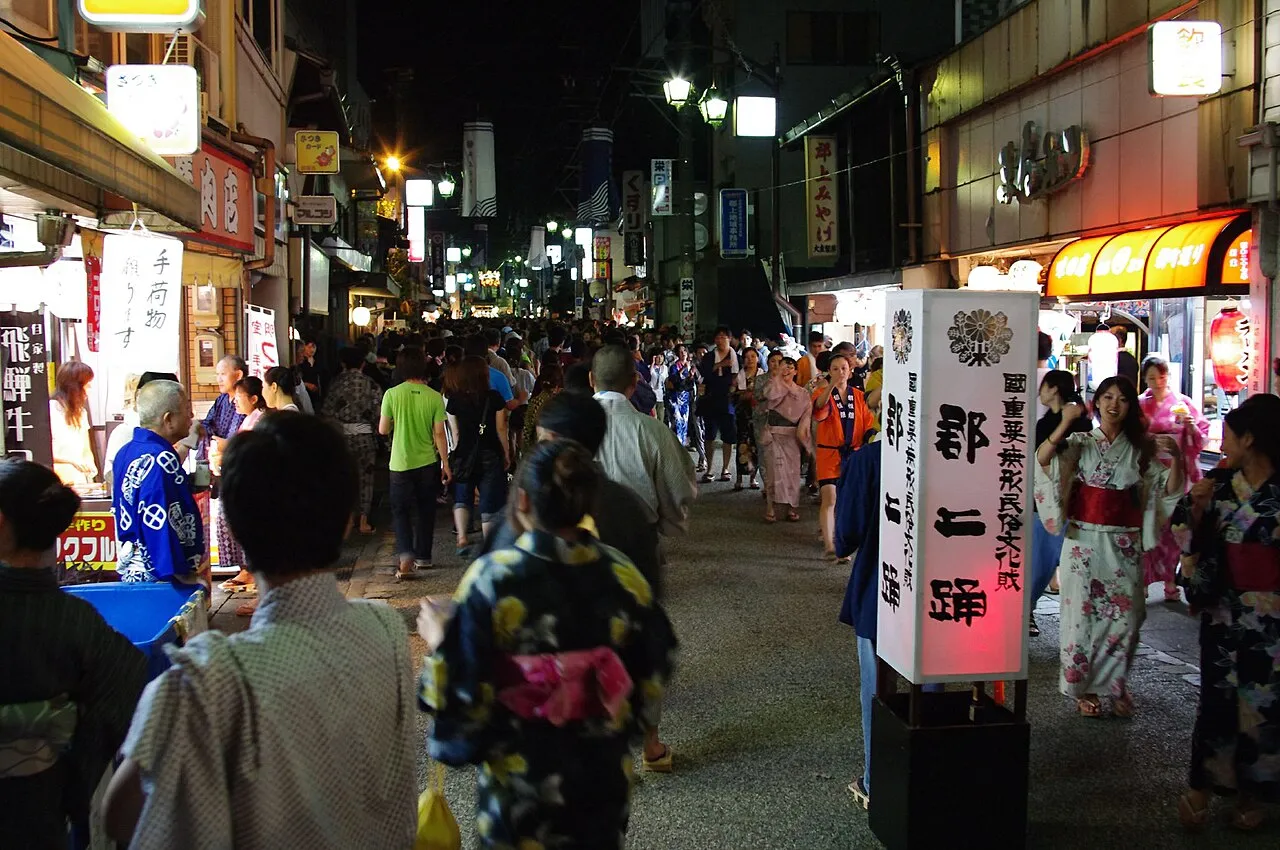
The famous festivals draw hundreds of thousands of people. Keep children close and agree on a meeting point in case you are separated. Most festivals have a staff tent that helps with lost items and directions. In summer, heat is the real danger: drink water often and rest in the shade. In winter, the cold creeps up after an hour of standing still.
Can visitors join in?
Carrying a mikoshi or pulling a float is usually reserved for the neighbourhood groups that run the festival, though some festivals do invite visitors. Dance festivals are the easiest way in:
- Aomori Nebuta: anyone wearing the full haneto costume may dance in the parade, with no booking. Costumes can be rented or bought in the city, and many shops help you dress. How to join: official Aomori Nebuta site, English page; costume and rules: official haneto page (in Japanese).
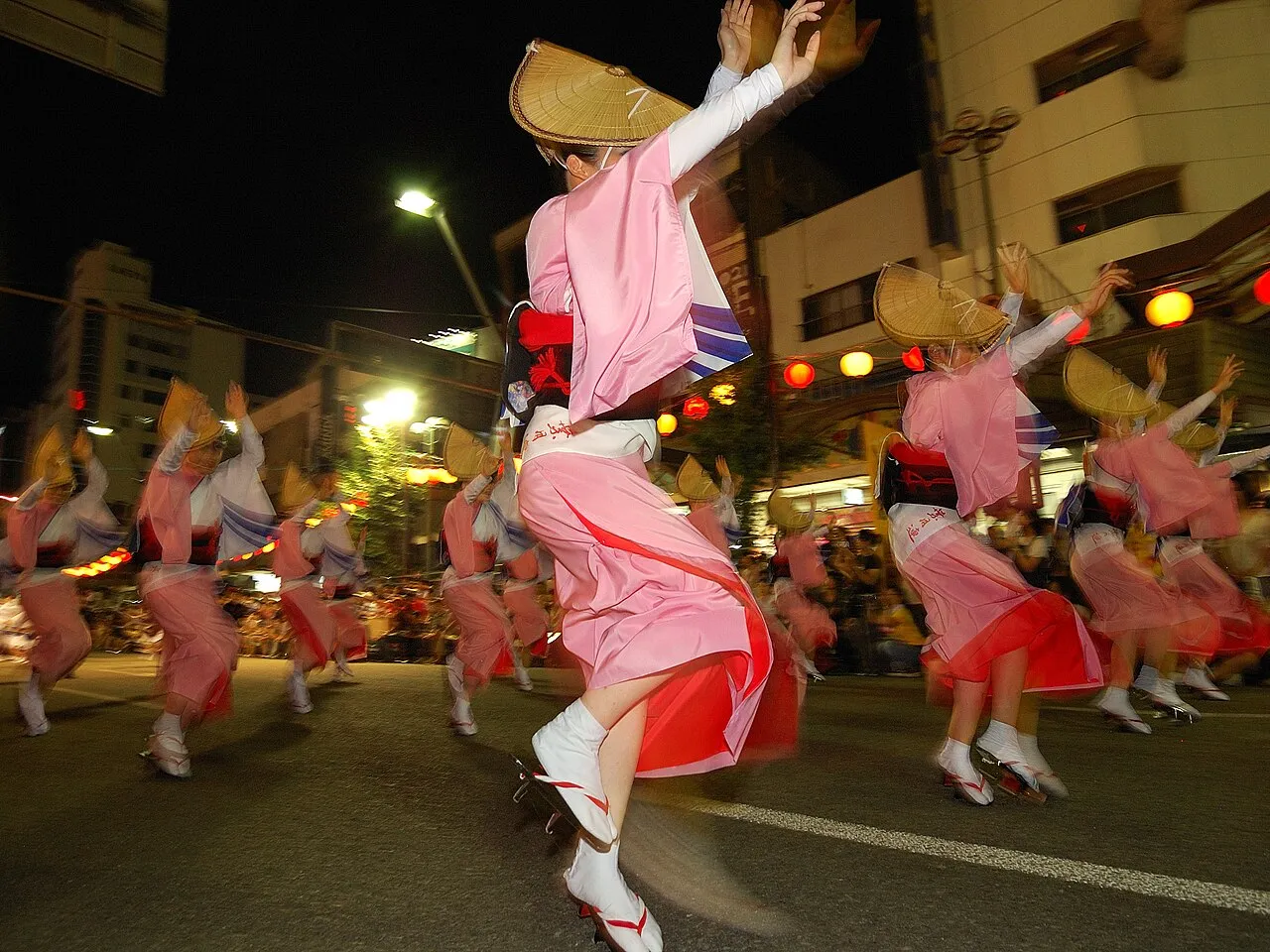
- Awa Odori: beginner groups called niwaka-ren give visitors a short lesson from a famous dance group, then take them out to dance through one of the festival venues. No booking or fee, and you can wear what you like. Meeting place and times for the year: Awanavi, Tokushima Prefecture tourism: “Dance with the niwaka-ren” (in Japanese).
- Gujō Odori: everyone dances together in the street, and the steps are easy to pick up. On summer dance days, the local preservation society also teaches short lessons in the afternoon: Gujō Odori lessons (in Japanese).
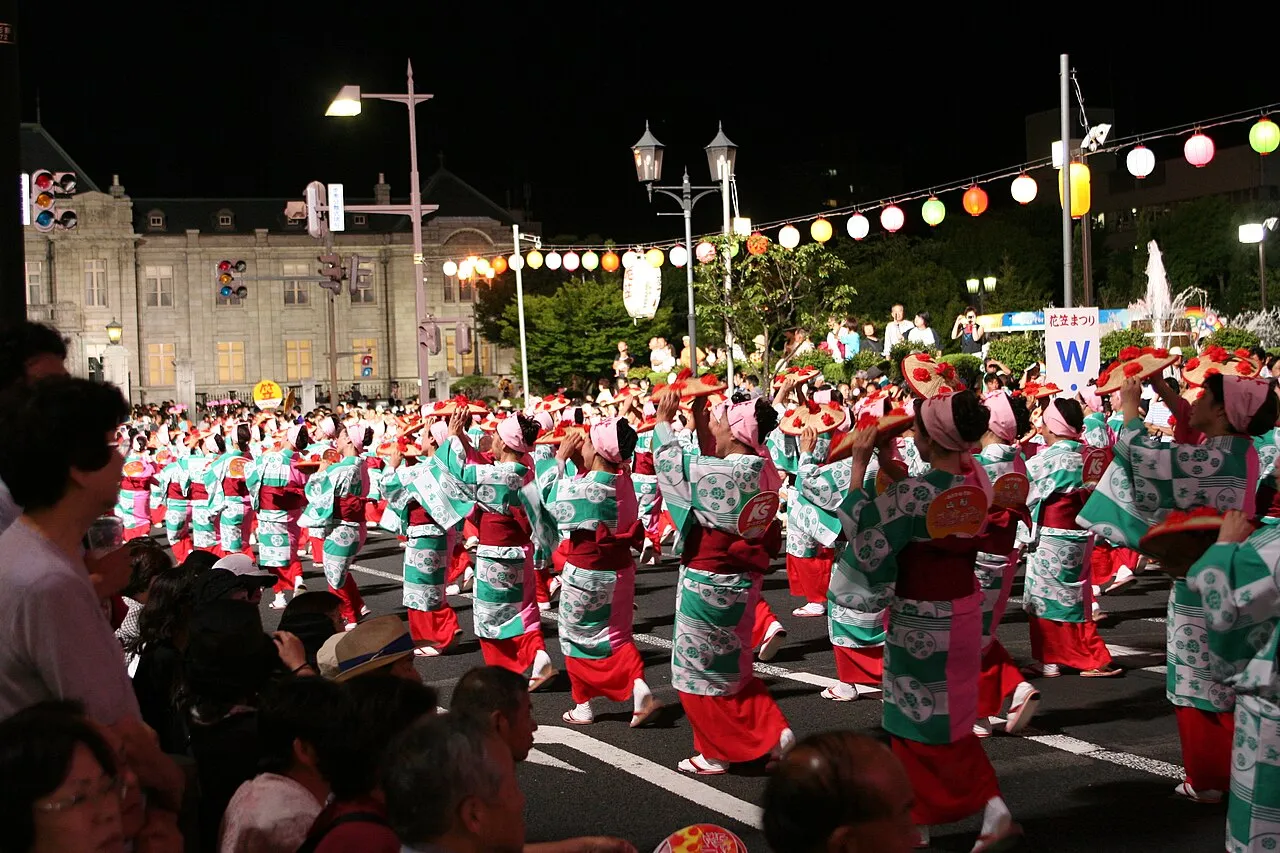
- Yamagata Hanagasa: a walk-in section at the end of the parade invites spectators to join and dance along: Japan National Tourism Organization: Yamagata Hanagasa Matsuri.
Japanese pages can be read in English with the translate feature in Chrome, Safari or Edge. Details change every year, so check the page for your dates before you go.
At quieter festivals, such as the Owara Kaze no Bon, the best way to take part is simply to watch in silence. Wearing a yukata and eating at the stalls is joining in too: see our guides to wearing a yukata and festival food.