Where to find them
Charms, fortunes and seals are handed out at a counter on the shrine or temple grounds. Look for a sign reading 授与所 (juyosho, “the place where things are given”), 社務所 (shamusho, the shrine office) or 御朱印所 (goshuinjo, the goshuin office). If you cannot find it, ask any member of staff.
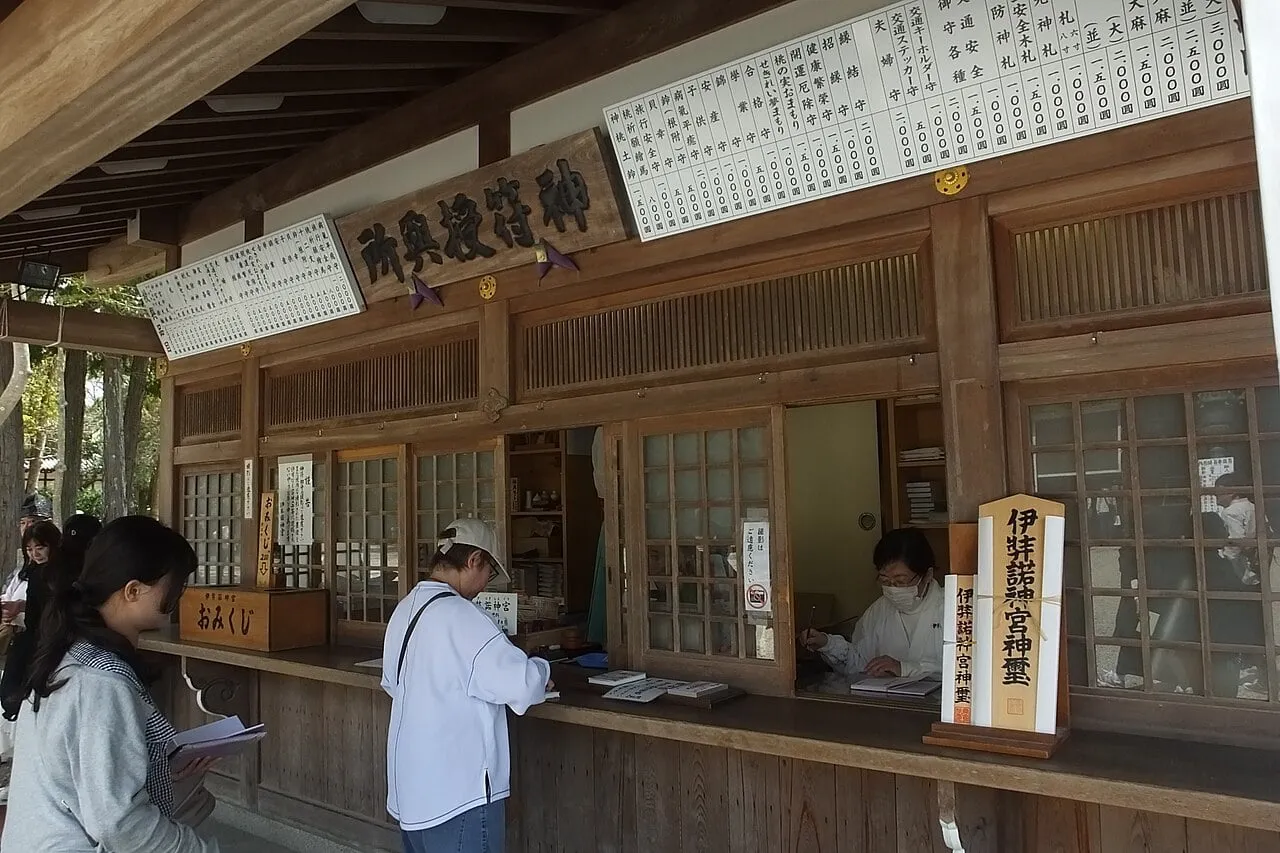
Pray first, then go to the counter. These things are given as a blessing from the kami or the Buddha, not sold as souvenirs, so the price is called an offering. The offering is paid in cash, so bring coins and small notes.
Goshuin, the handwritten seal
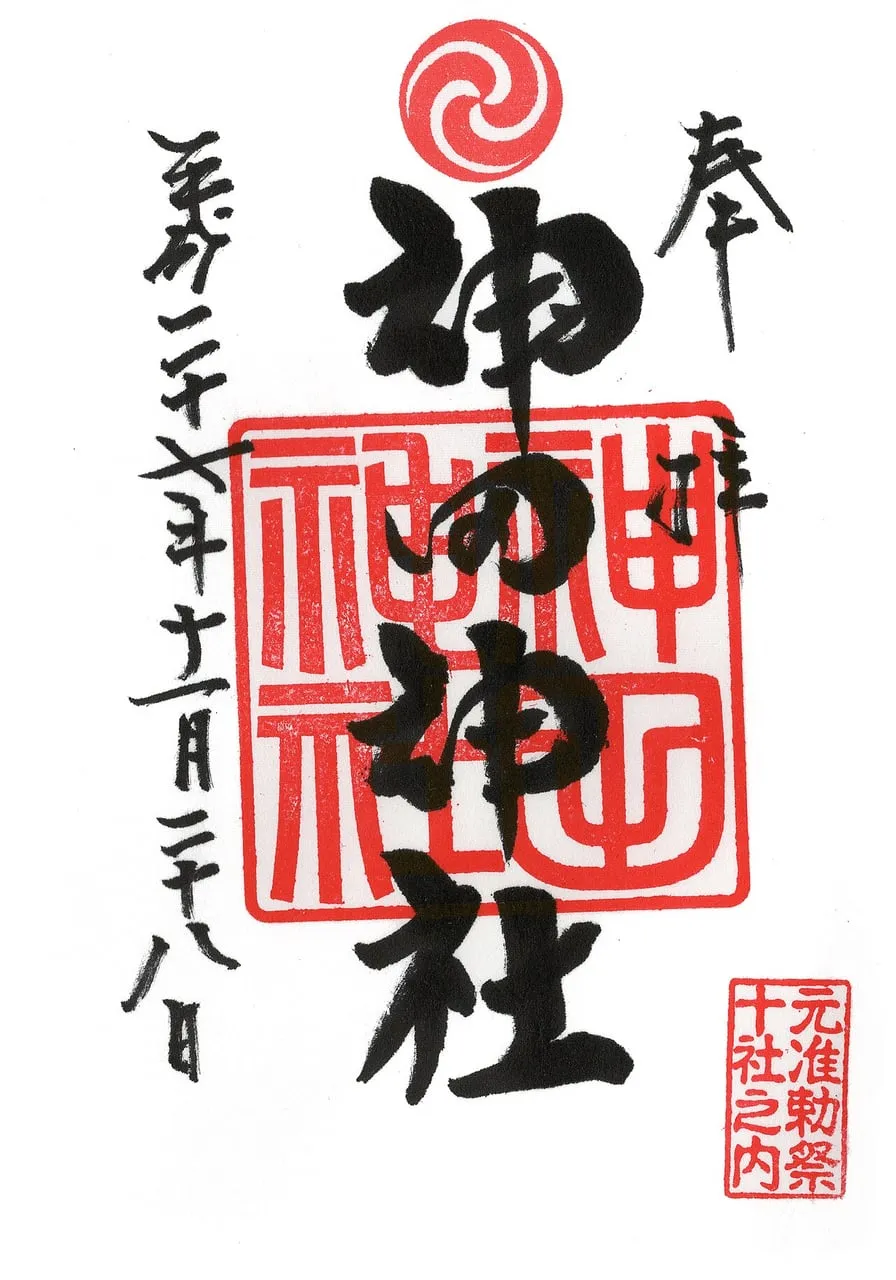
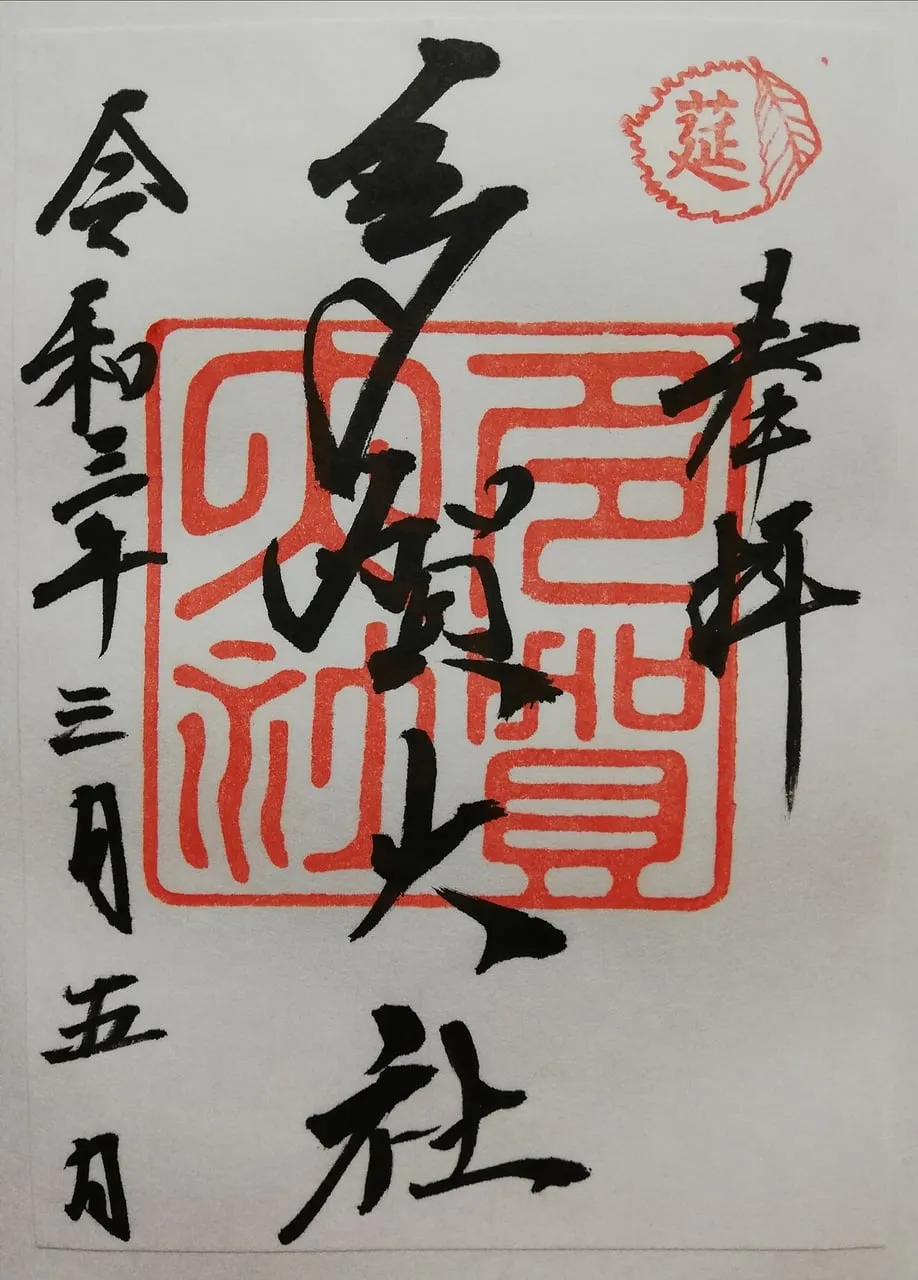
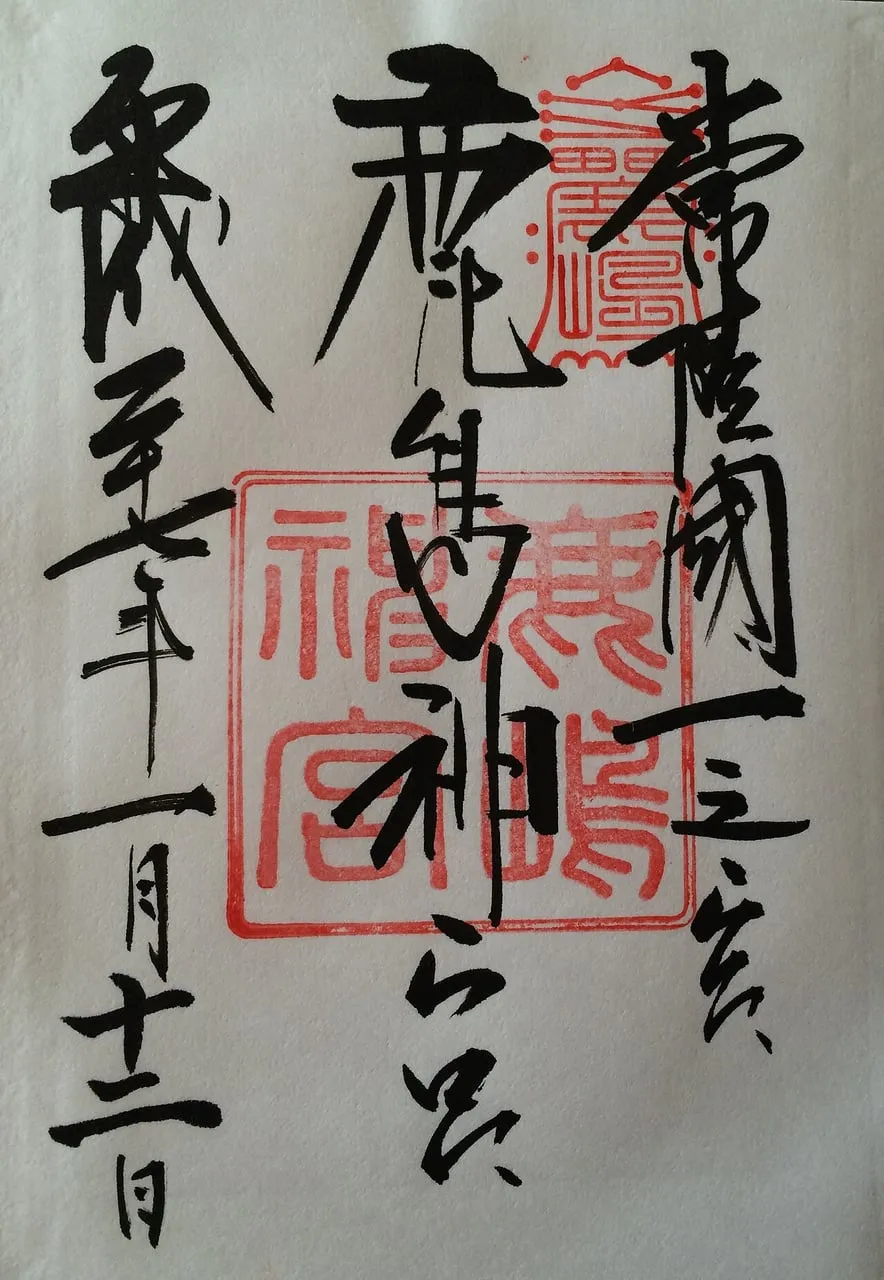
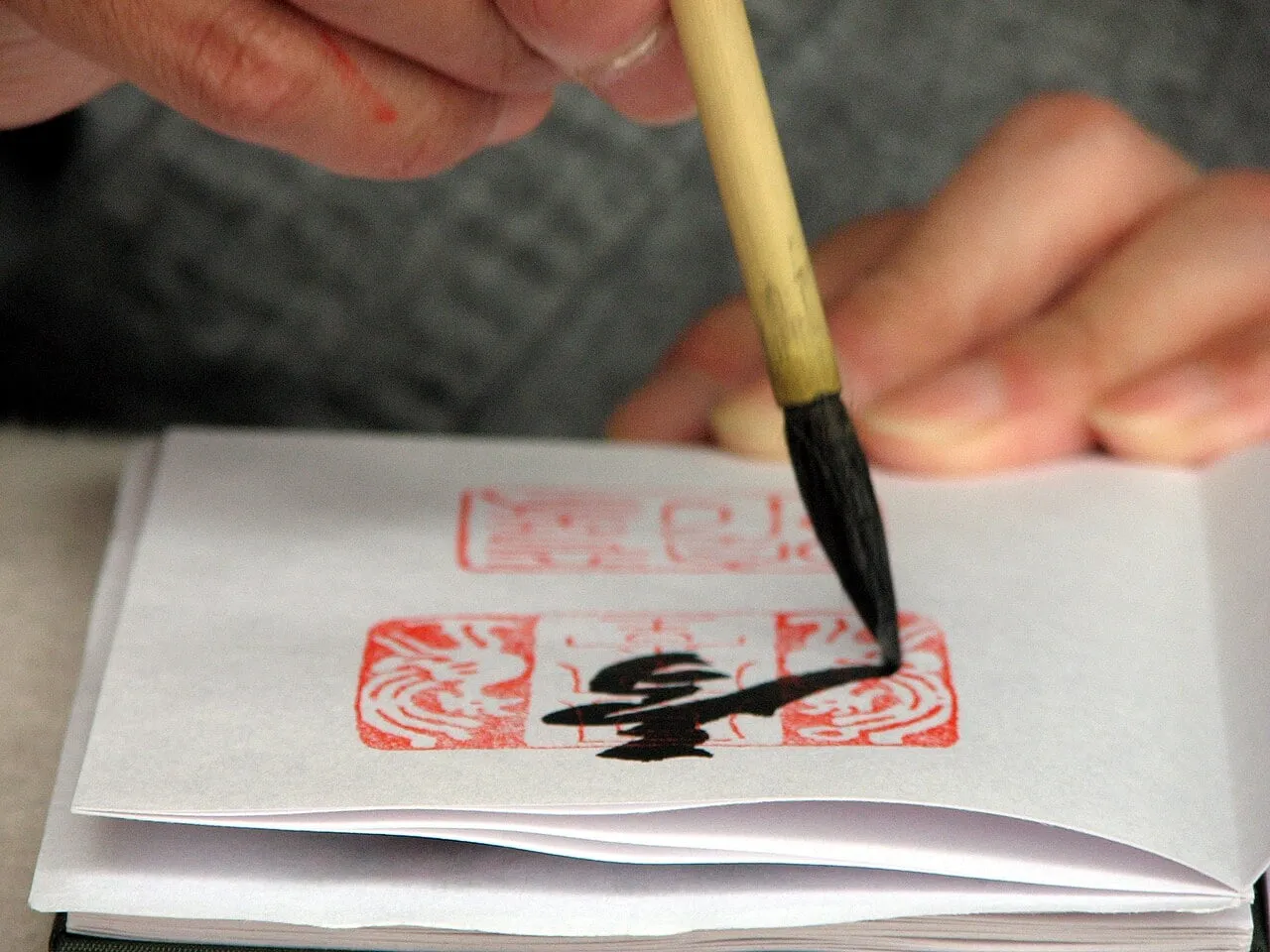
A goshuin is a seal you receive as a record of your visit. A priest or temple staff member stamps one or more red seals onto a page and writes over them in black ink with a brush: the name of the shrine or temple, the date of your visit, and often the word hōhai, “worshipped with respect”. The largest red seal usually carries the shrine’s name; smaller ones may show its kami, its crest or a motif.
The custom is very old. The Association of Shinto Shrines traces it to the receipts that shrines and temples gave in the Nara and Heian periods to people who had offered a copied sutra. Over time, people who only came to pray asked for the same written proof. When railways made travel easy in the late 19th and early 20th centuries, visiting many shrines and temples and collecting their seals became popular, and the name goshuin appears from about 1935.
How to ask for one
- Get a book. Seals go into a goshuinchō, a folding book of thick paper. Most large shrines and temples sell their own, often with their own design on the cover.
- Pray before you queue. The seal records a visit, so the visit comes first.
- Open the book to a blank page and hand it over with the offering, usually 300 to 500 yen. Some places offer several designs; they are often shown at the counter, so you can point.
- Wait, or come back. At busy places, staff may keep your book and ask you to collect it later.
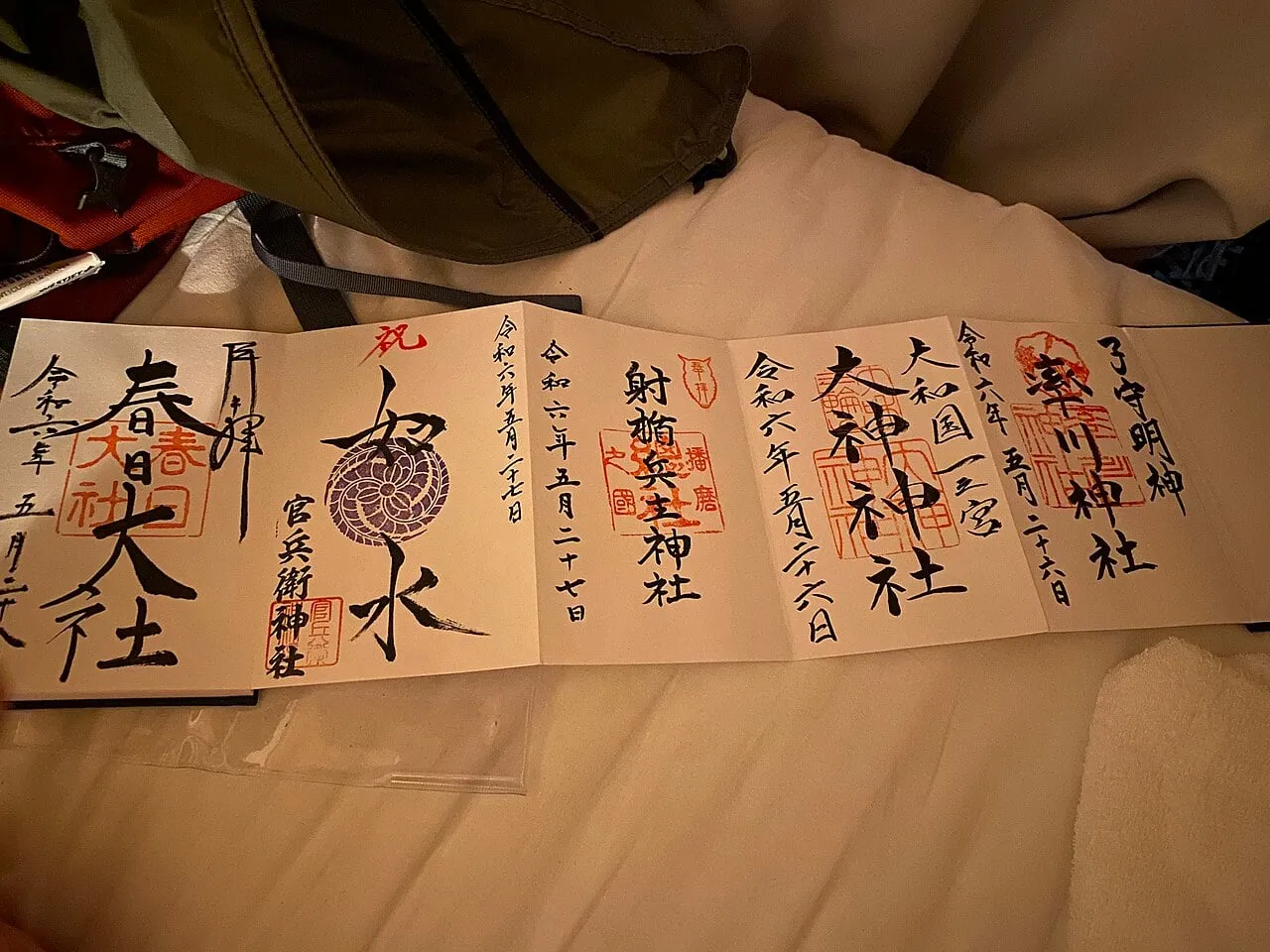
If you forget your book, many places give the seal on a loose sheet, written in advance, that you can paste in later.
Good to know
- Keep the book for seals only. Do not add tourist stamps from stations or museums; a goshuin is regarded as sacred.
- Many shrines and temples issue special seals for New Year, for their festival days and for the seasons, such as cherry blossoms in spring or autumn leaves. A festival is a good day to ask.
- If you do not read Japanese, tuck a slip of paper with the shrine’s name next to each page so you remember where it came from.
- A Seven Lucky Gods walk is an easy way to collect several seals in one day.
Omamori, charms to carry
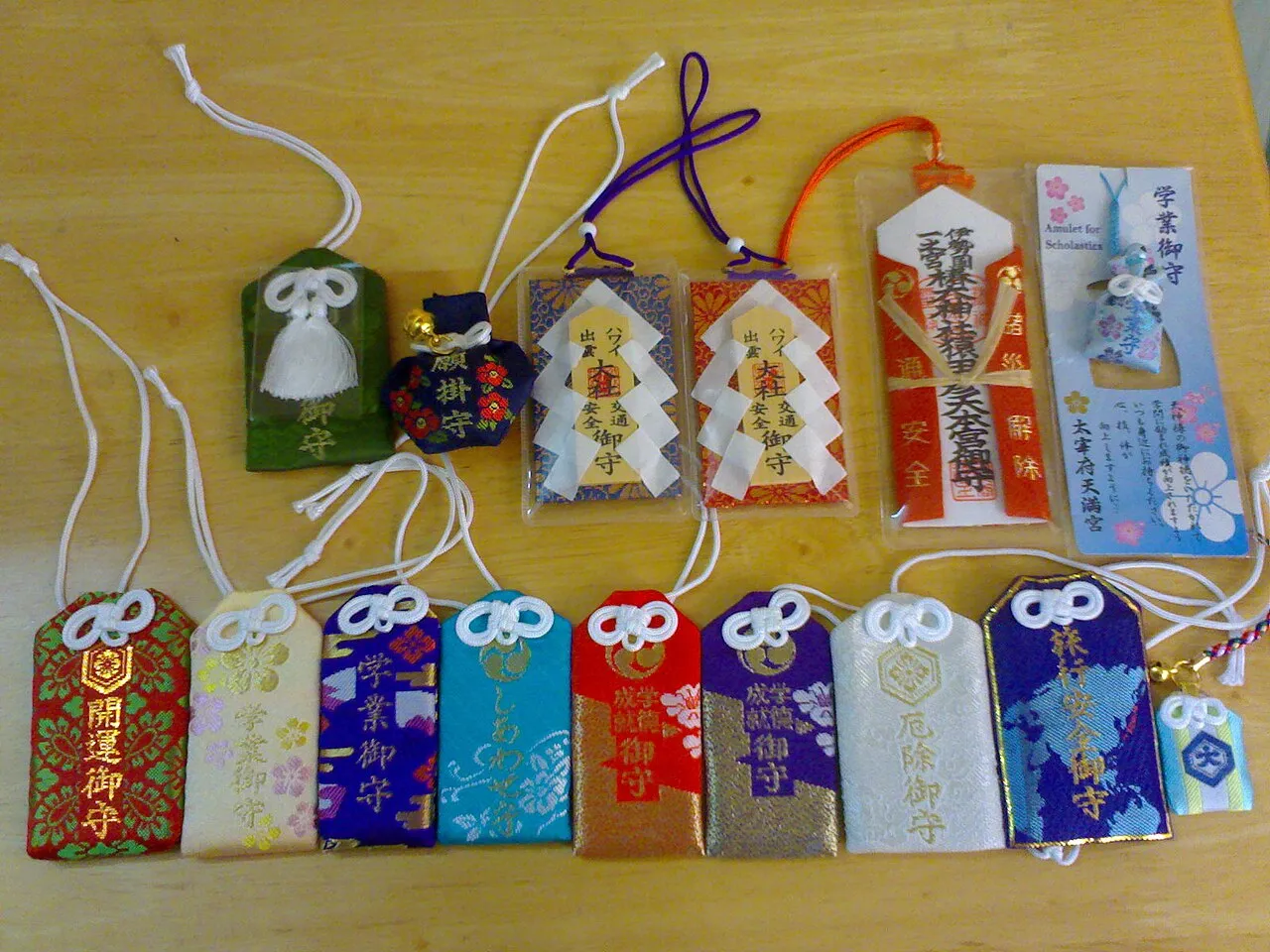
An omamori is a small charm, usually a brocade pouch on a cord, that you carry with you. Each one is for something: health, safe travel, safe driving, study and exams, love, an easy birth. Carry it in a bag or on your keys and keep it closed.
It is fine to carry charms from several shrines at once. The Association of Shinto Shrines explains that the many kami of Japan work together rather than compete.
Charms are usually renewed once a year, but you can keep one until your wish comes true. When you are done with it, take it back to a shrine. Old charms are collected and burned with thanks, often in January.
An ofuda is the household version: a paper or wooden talisman kept on a small home altar (kamidana) to protect the whole house. It is also replaced each year.
Omikuji, paper fortunes
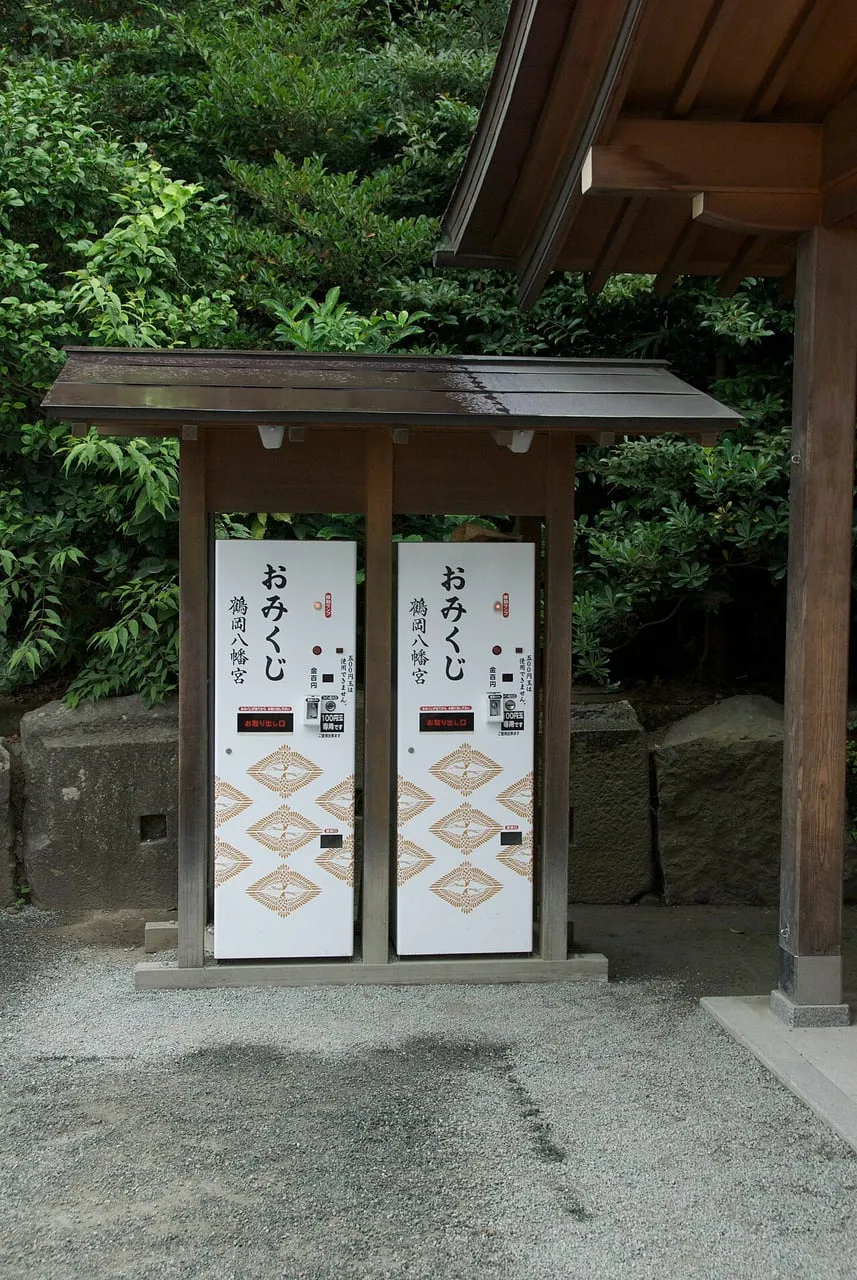
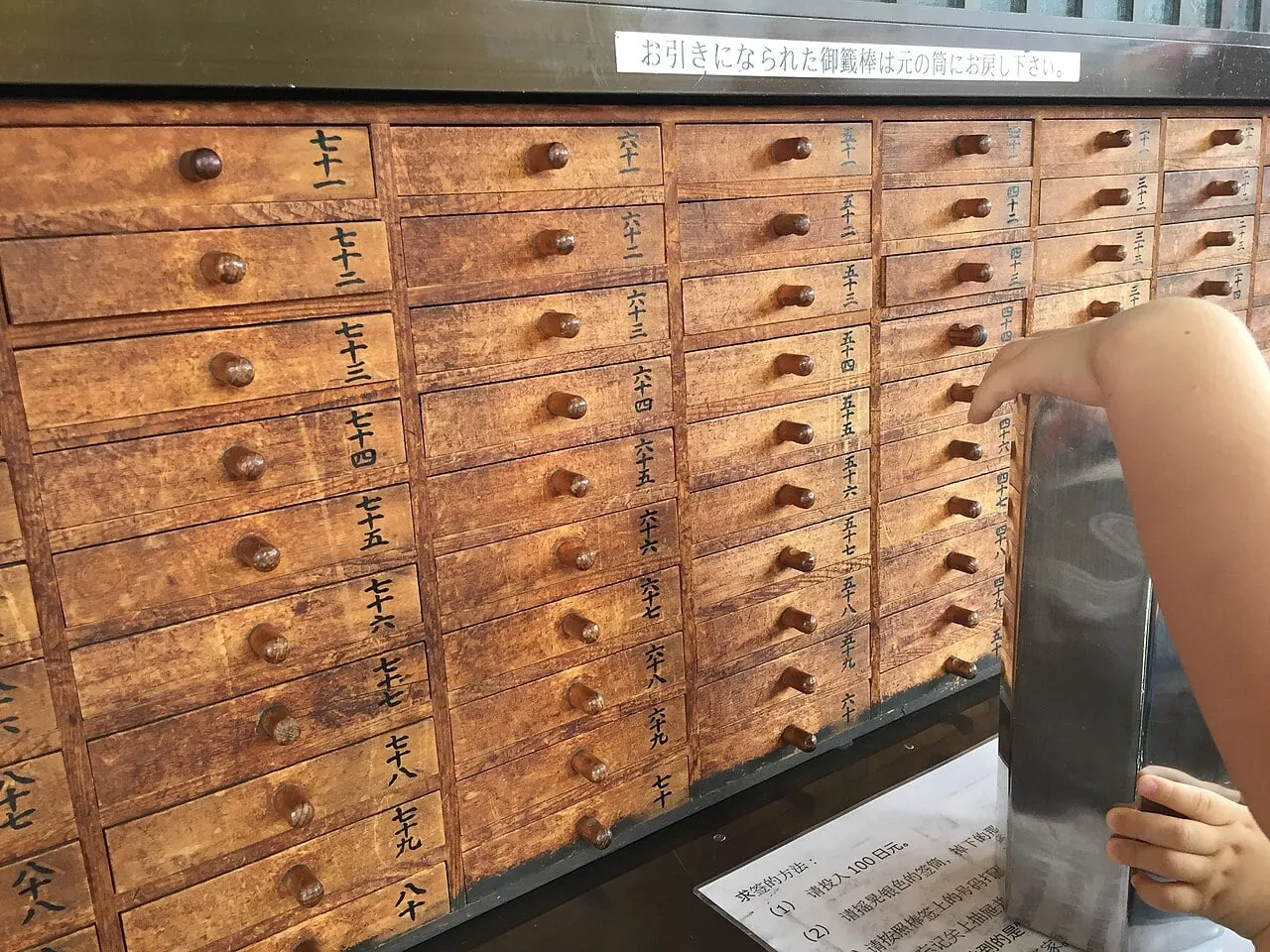
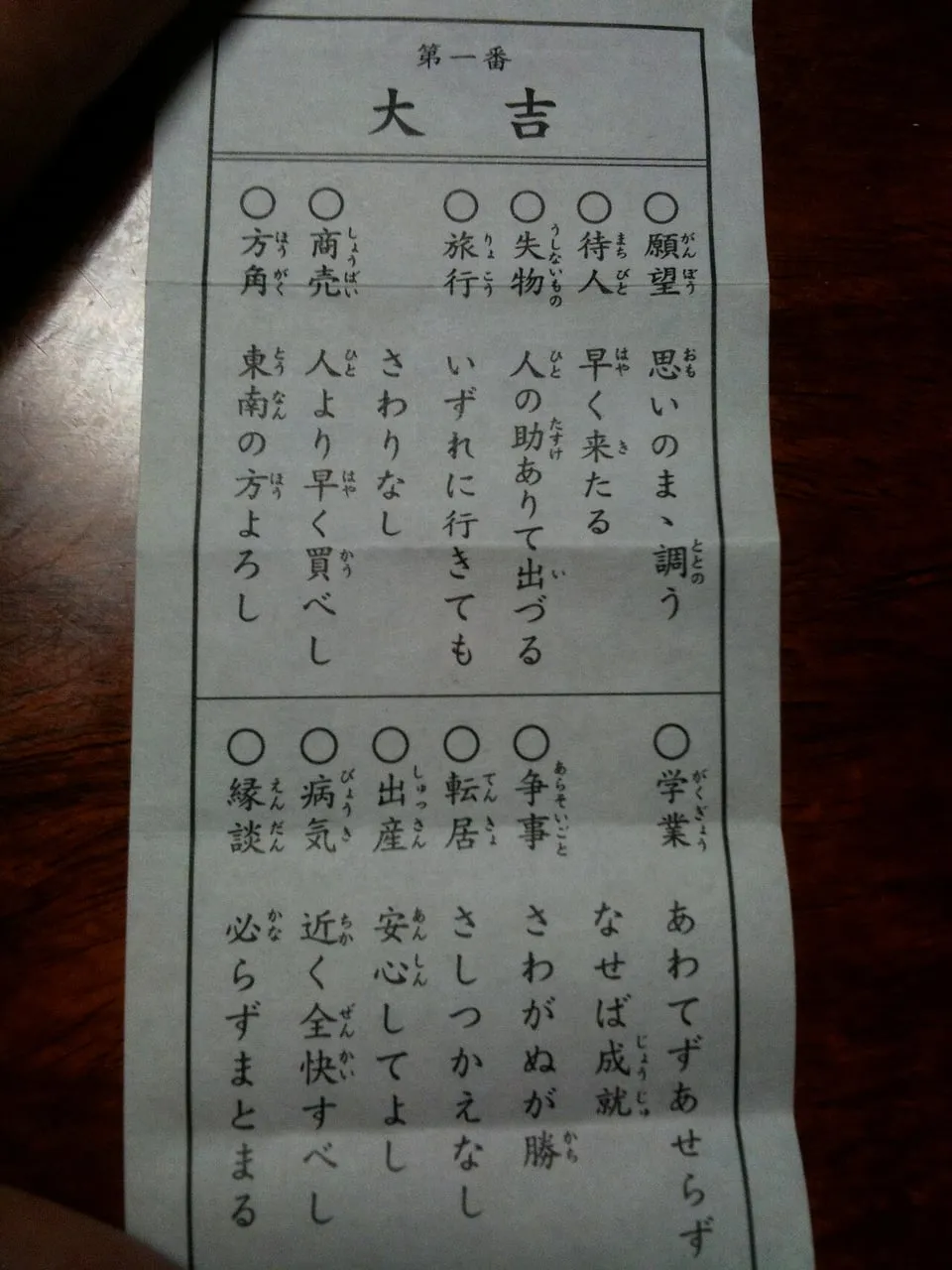
An omikuji is a fortune drawn by lot. You pay a small offering, shake a numbered stick out of a box or pick a folded slip, and read your luck for the year ahead. The grades vary from shrine to shrine. One common order runs from daikichi (great blessing) through kichi (blessing), chūkichi (middle blessing), shōkichi (small blessing) and suekichi (blessing to come) to kyō (bad luck).
Below the grade, the slip gives advice on everyday matters: work, money, love, travel, health, lost things and the person you are waiting for. Many include a short poem.
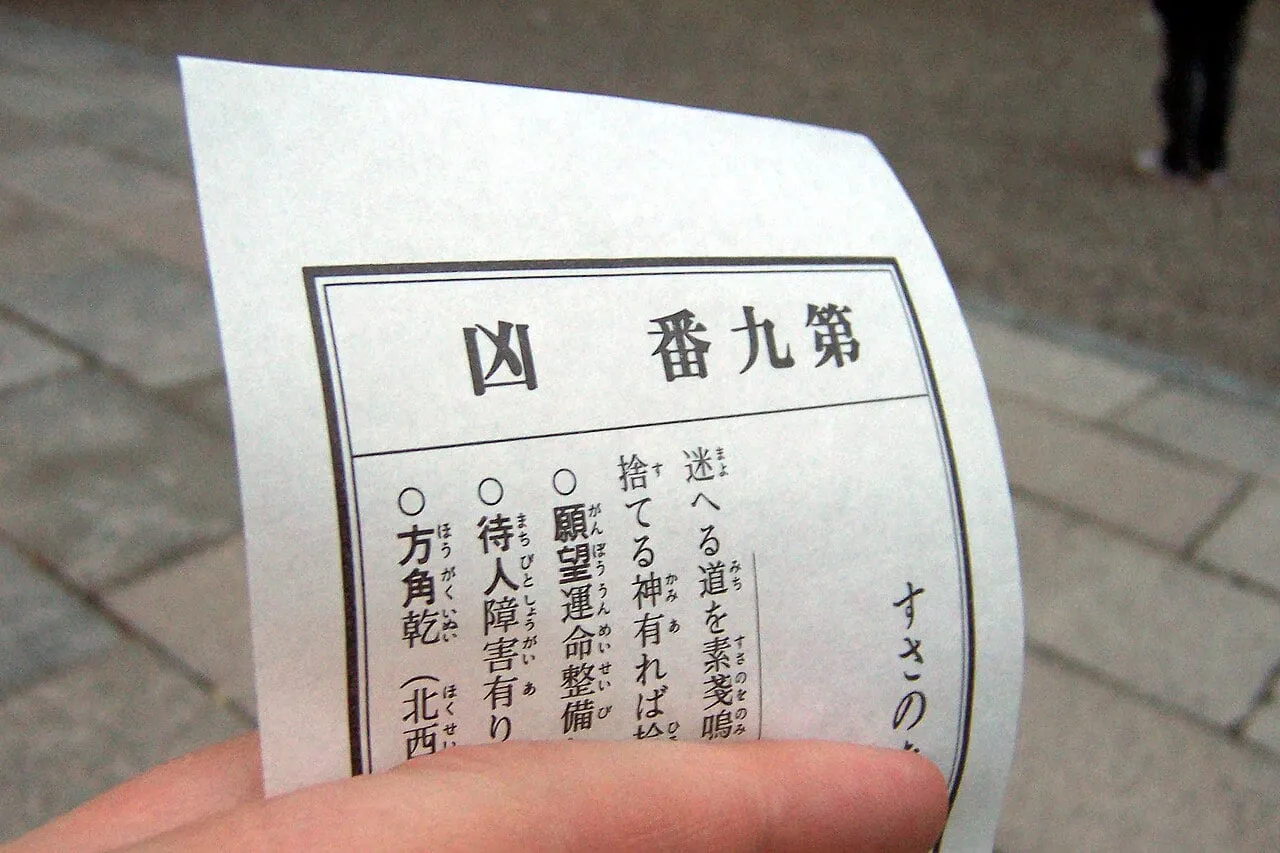
Many people tie their slip to a rack or a tree branch at the shrine before they leave, especially a bad one, so the bad luck stays behind. You may also take it home. The Association of Shinto Shrines says what matters most is to read it again and use it as advice.
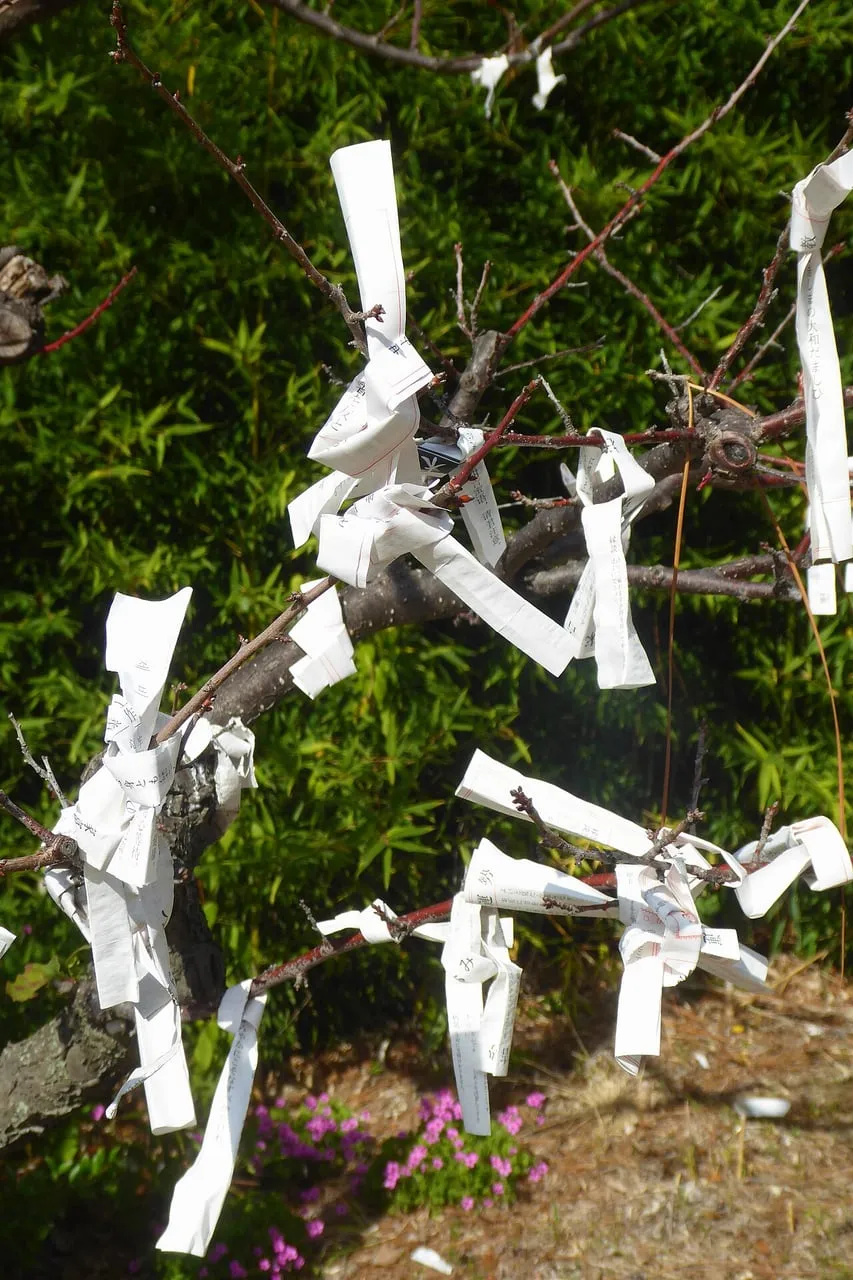
Some popular shrines and temples have fortunes in English and other languages. The Japan National Tourism Organization names Naritasan Shinshō-ji and Kushida Shrine in Fukuoka.
Ema, wishes on wood
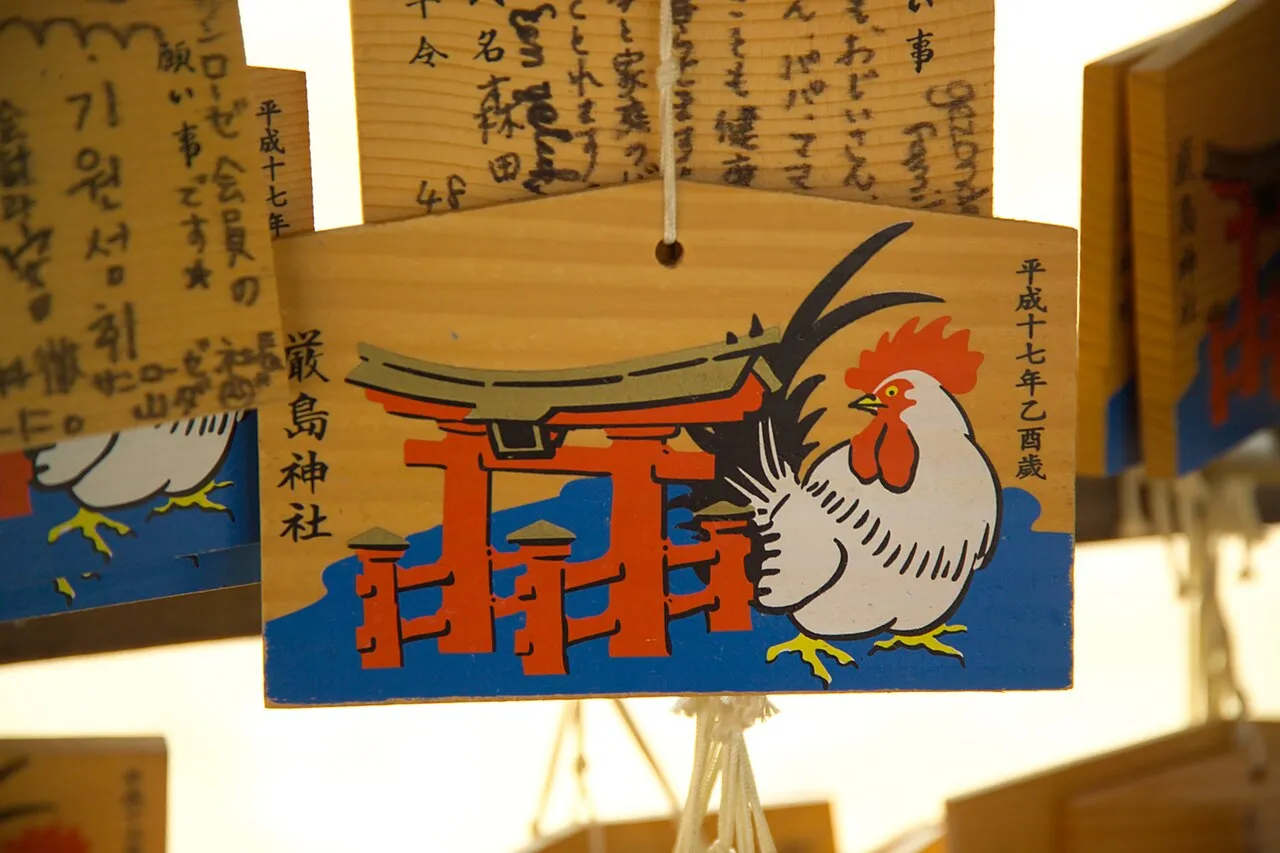
An ema is a small wooden plaque. Write your wish on the back and hang it on the rack at the shrine. The front shows the shrine’s own picture, often the zodiac animal of the year. Racks at Tenmangū shrines, the shrines of Tenjin, are covered with students’ wishes to pass their exams.
Lucky charms from festivals
Some festivals exist for one lucky object. These are bigger than an omamori, and many people buy a new one every year.
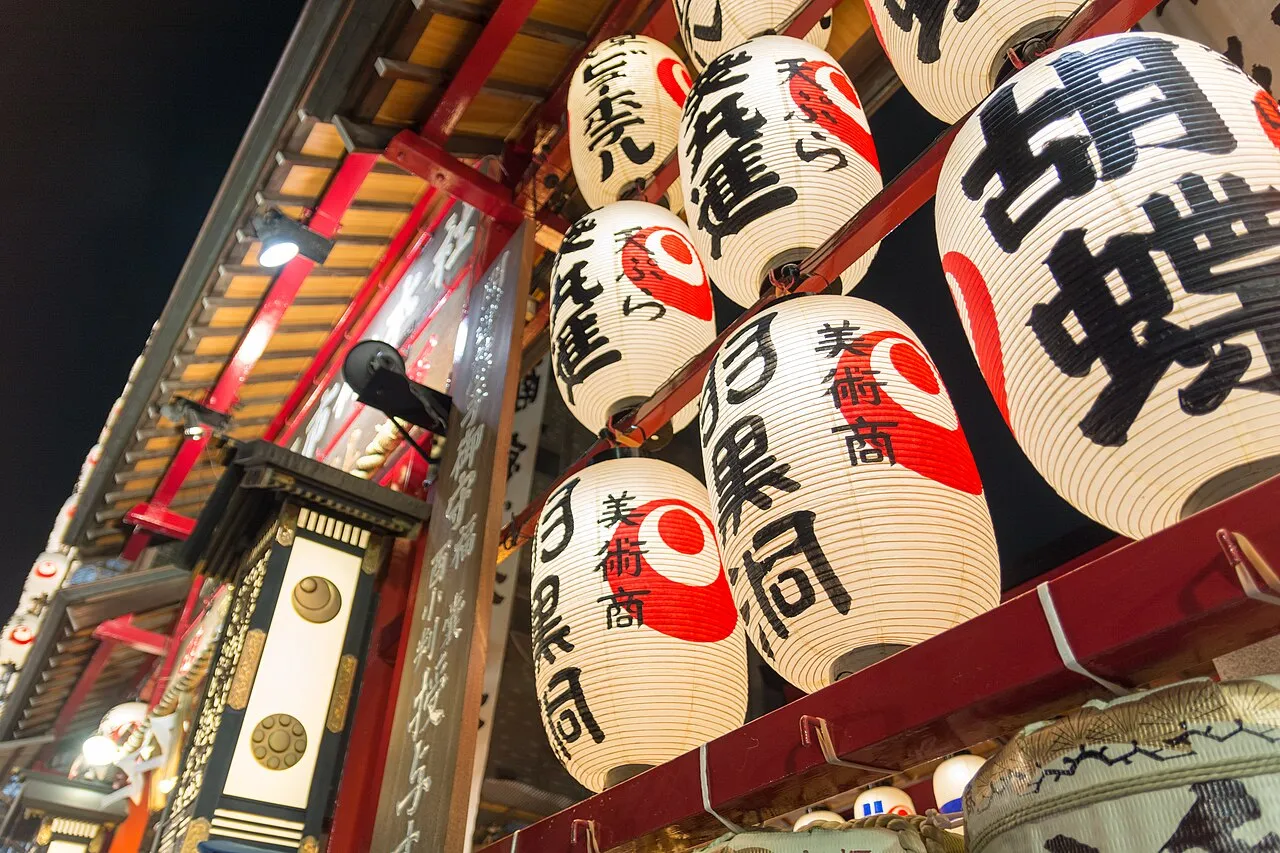
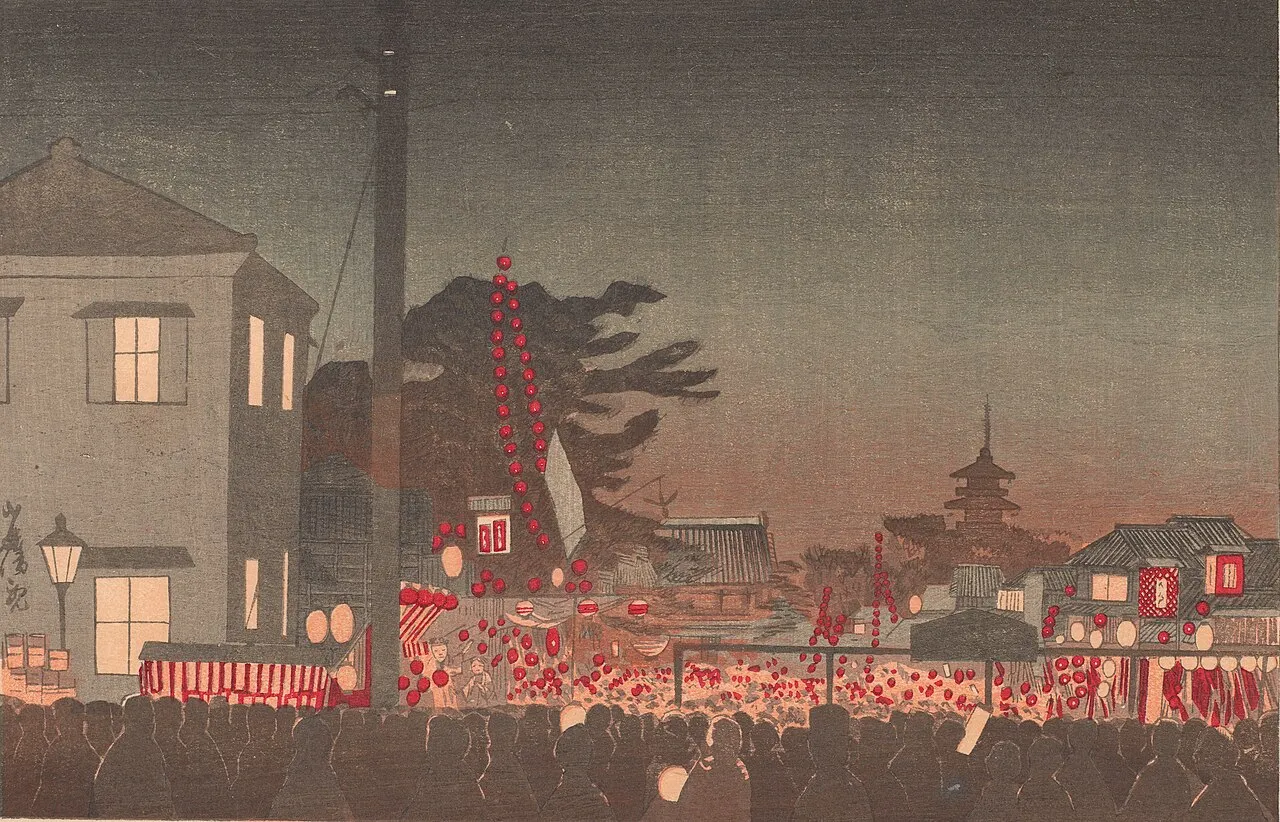
- Kumade rakes at Tori-no-ichi in November, to rake in good fortune for a business.
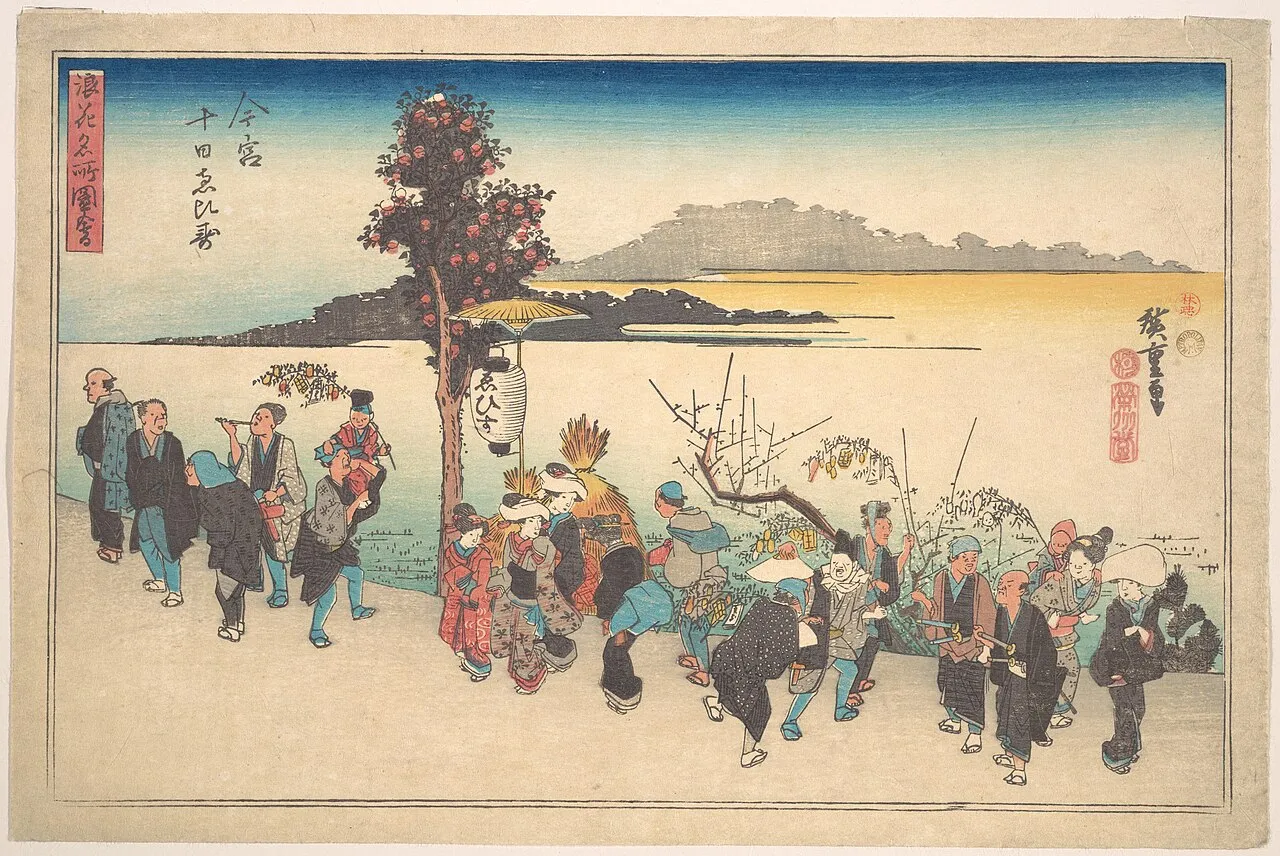
- Fuku-sasa bamboo branches at Tōka Ebisu in January, handed out by shrine maidens.
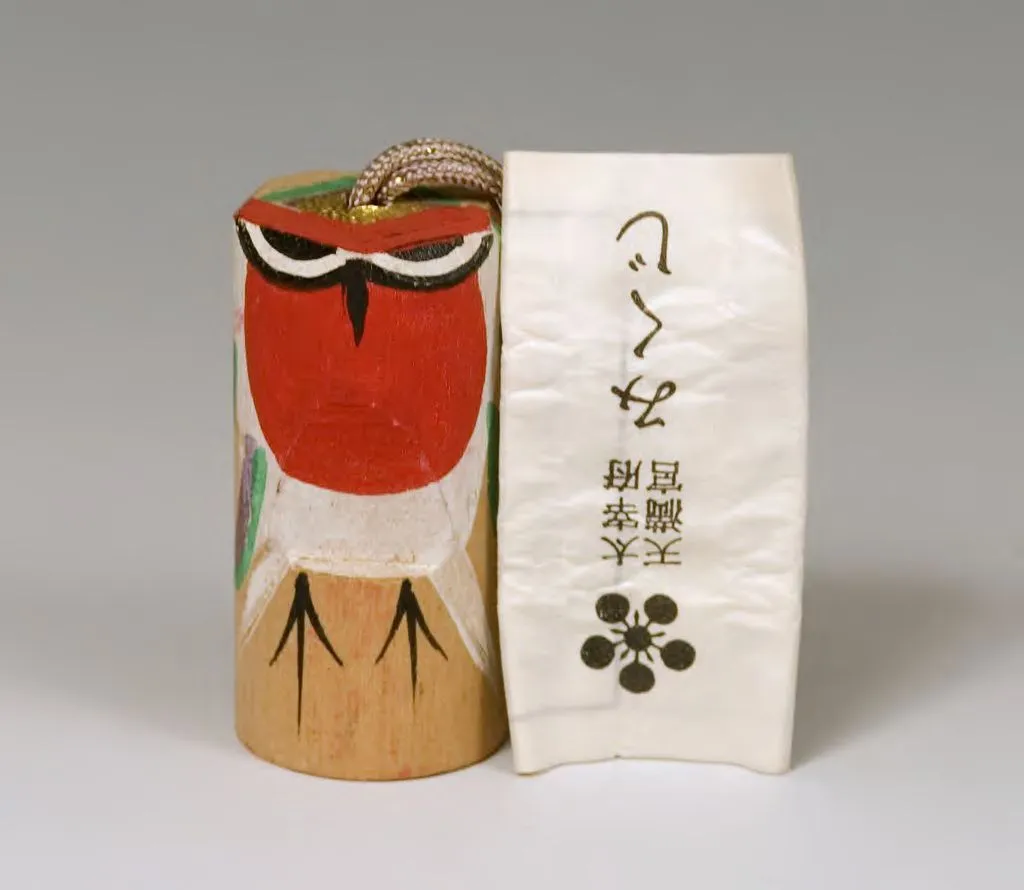
- Wooden bullfinches at the Usokae of Dazaifu Tenmangū in January, swapped with strangers to trade bad luck for good.
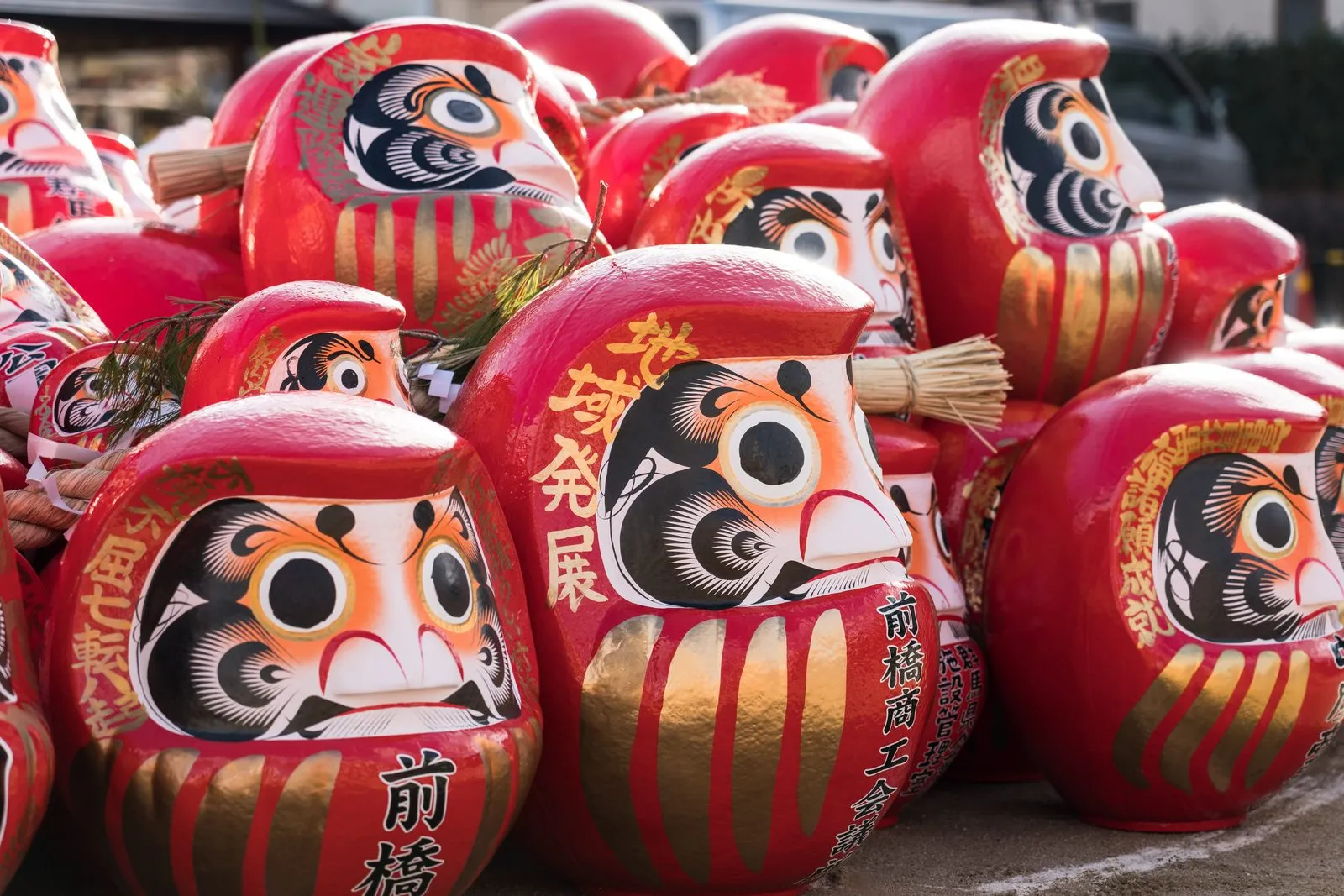
- Daruma dolls at the Maebashi Hatsuichi in January.
- Hagoita paddles at the Hagoita Market at Sensō-ji in December.
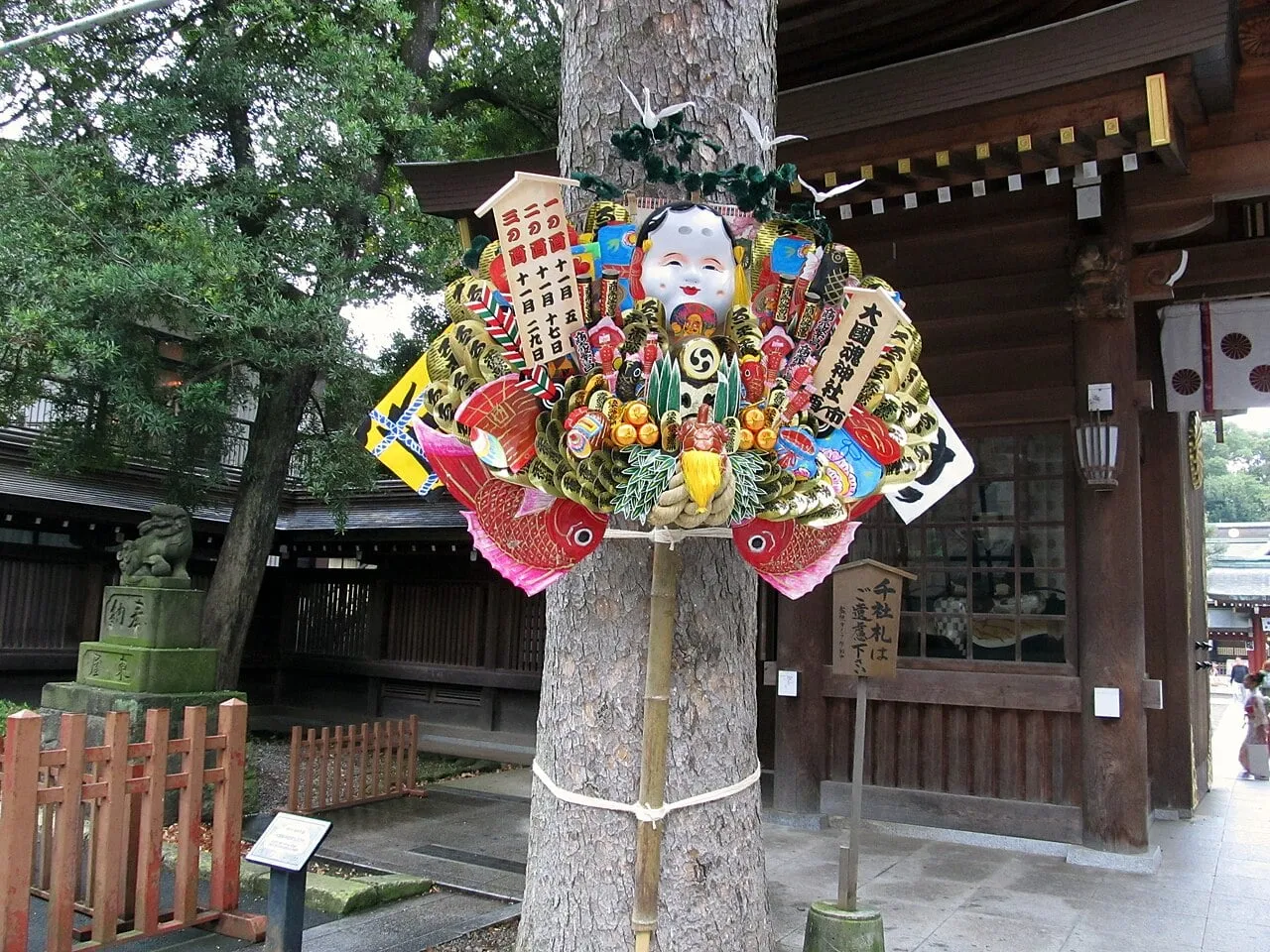
At New Year, shrines also sell hamaya, decorated arrows that protect the home. Our hatsumōde guide explains the first shrine visit of the year and what people buy then.